If you ever take an intro to art history class, a central contradiction inevitably makes its way into discussion: what constitutes "art history," and what gives us validity in its criticism? Why do we value someone like Raphael over Titian as a staple of renaissance art when at the time Titian maintained heavy influence over the following centuries of art? Why is everything western centered, and why are dozens of non-western cultures streamlined into single textbook chapters? The underlying point is that while art is something undefinable and organic, the idea of straining it into a canonized selection of works inhibits the very definition of what art is and how it grows in contemporary cultures.
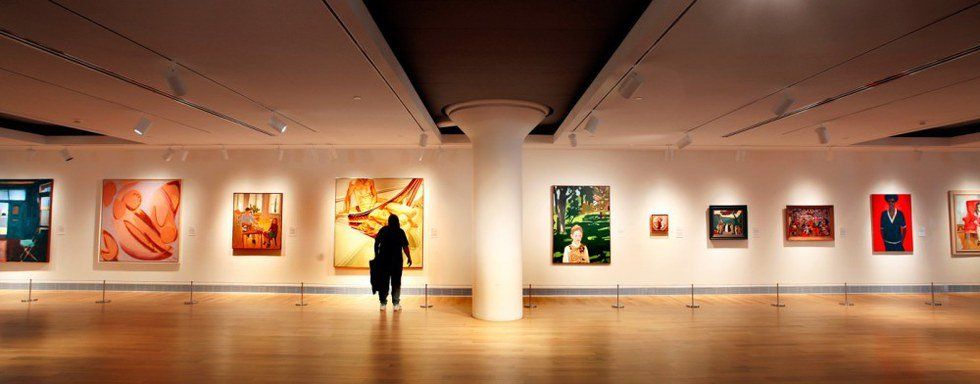
As a prospective art history student, I’m not criticizing the idea of the field as a whole, but merely speculating on the way art history textbooks and established museums shape the way art is currently perceived and created. The impressionists originally sought to fight against the idea of academic art, but now you’ll find Monet’s delicately spaced in the most prized rooms of the Guggenheim, in an atmosphere that strives for professionalism and stoic seriousness of art. The infamous "outsider artist" is all but erased in a modern gallery, whereas already-heralded artists are given validity within these academic spaces, even if at their time the intent was to fight against the system. It’s only in the outskirts of Joshua Tree, Calif. where you can find something like Noah Purifoy’s desert oasis of sculptures from reclaimed materials that escape the lines of installation art with their playful refusal to fit into museum culture. In fact, an artist like Purifoy can only thrive in conditions like this, where academia lacks categorization for him so he’s tagged in the broad abyss of outsider art.
As evidence from art history textbooks suggests, there is always a back and forth push and pull motion from periods and styles of art, where those who seek to define and entrap art within boundaries begin to find themselves adding new rules to fit in artists that defy what they stand for. For example, Watteau, a french Rococo painter, never trained through the academy of art, but since he was so popular and sought after, the academy themselves created a new style of painting so he could be placed in their canon of art. In contemporary settings, this represents the artists who avidly go against the conception of art criticism, or those who don’t care at all, which in itself represents something against the institution of art.
All this barely breaches the surface of all that is to be said about institutional art and the limitations art history can impose on those unwilling to explore outside its boundaries. Art itself remains one of the most allusive terms in the English language, so it’s important to continue to toy with what it means, what it can mean, and why we should stop exploiting it and valuing insider art over outsider art. Art is organic and creative, and art sparks reactions, emotions, concepts, and helps define cultures, so next time you’re in a museum, stop looking exclusively for the Van Gogh’s and start thinking about how and why they speak to you.