As the mass shooting that happened earlier this month at Umpqua Community College in Oregon is slowly forgotten, so is the conversation about gun violence in the United States. It seems that every time there’s a shooting, it captures the attention of Americans for barely a week and then fades away as mainstream politics begins to take over the news again. You would think that after so many incidents the government would take some sort of action against guns or try to curb the violence, but they’re not. Why?
A short answer is that it simply can't.
After a shooting, anti-gun groups push the statistics of gun-related deaths, saying that in a country without easily accessible guns, or even gun ownership at all, that the shootings would never have happened. Pro-gun groups push back with the argument that if more people had guns and knew how to use them, then the shooting would also never have happened. Political commentators, news channels, and politicians then use up airtime debating about where exactly where gun policy should fall on this policy spectrum, while their ratings skyrocket. However at the end of the day, all conversations end with the same sentiment:
“Something needs to be done about this!”
There is no “what” or “when” or “how” being asked – just the acknowledgement that something must be done. Everyone from both sides of the political aisle agrees that action needs to be taken and does nothing about it.
The reason why we can’t decide on a concrete plan of action is because we’re dealing with the problem of gun violence in terms of hypotheticals. Why? Because we can’t deal with it in any other way. We can't move past the hypothetical discussions of what gun control would hopefully do, and what decreased regulation would hopefully do, because it would threaten many people's idea of what it means to be American.
Guns have become more than a commodity, more than a tool, and the decision to own a gun is more than just a decision; the reality in the United States is that guns have become a part of our culture, whether we like it or not.
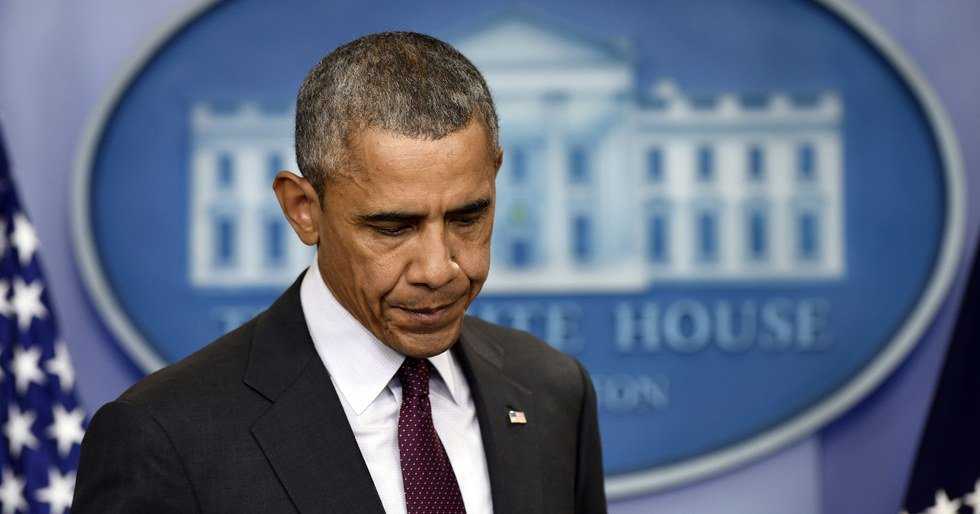
Pro-gun advocates would argue that the 2nd Amendment clearly shows that the right of gun ownership is as old and sacred as the principles of free speech. Furthermore, families who grew up around guns see them as an integral part of their life; trying to take away a belief that is so strongly believed, and such a large part of certain Americans’ lives would undoubtedly be met with revolt. This reality of gridlock when it comes to gun policy is reflected in President Obama’s address after the Oregon shooting, his frustration clearly showing. He said in despair, “I hope and pray that I don’t have to come out again during my tenure as president to offer my condolences to families in these circumstances. But based on my experience as president, I can’t guarantee that. And that’s terrible to say.”
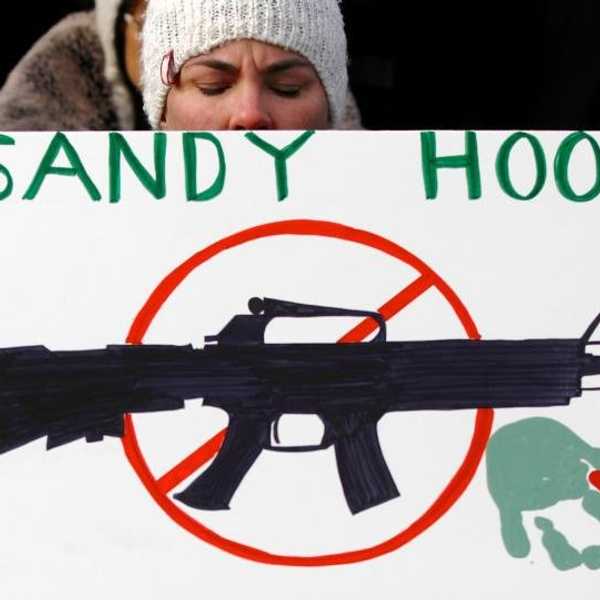
So how do we change this gridlock? How do we solve a problem so deeply engrained in society? The answer is that we have to change society, or rather, society has to change itself. Many anti-gun advocates argue that the US can implement a policy similar to that of Australia’s gun buyback program and strict ownership laws after the 1996 mass shooting where 35 people were killed. Australia’s policy was definitely the correct course of action. The results are astonishing: homicides by firearms plummeted 59 percent, and gun-related suicides decreased even more, a whole 65 percent, all with no increase in home invasion rates. While it seems like the United States following suit would be easy, it’s far from it. The massacre in Australia shook the country enough to where citizens were willing to give up their firearms for the greater good of society. Mass shootings happen almost every day in the United States; even the shooting and subsequent deaths of 27 grade school students still wasn’t met with enough of a consensus to take action against gun violence. In order for the US to implement gun legislation, society has to be phased like Australia was–something that is, unfortunately, proving very difficult to do.
Gun legislation will always be a polarizing, controversial issue in the United States. Politicians will talk about changing it, for or against, but intimately nothing will happen. Again, we see that the Government is held at the will of the people, and until we decide that enough is enough, this pattern of gun violence and mass shootings will continue. How much will it take to change our minds?