

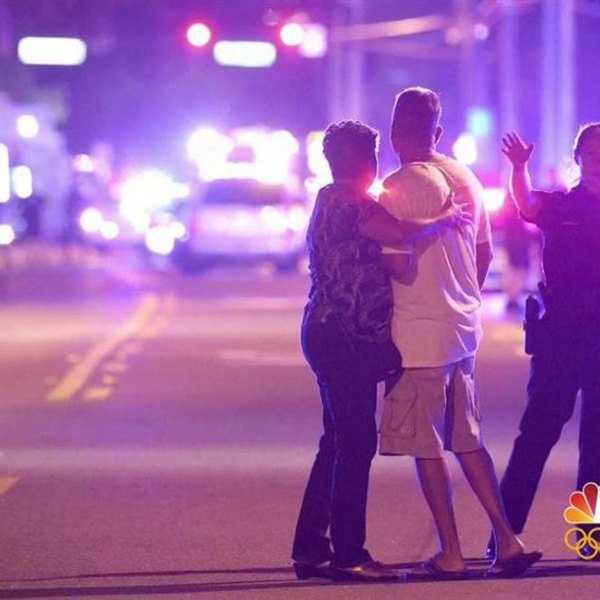
Two weeks ago, a news story played on television screens across the country with these familiar words in the headline: Mass Shooting. This incident took place in a movie theater in Lafayette, La., during a showing of the movie "Trainwreck," killing two women and injuring nine others. The town of Lafayette has now been added to the list of cities whose most infamous quality is unfortunately the deadly shooting that has occurred there, including Columbine, Aurora, Newtown, and too many others. As desensitized as we are to the everyday depressing news story, a mass shooting such as the ones that have plagued our news stations in the past few years strikes a particularly painful chord in all of us.
I have lived in Connecticut my whole life, and the Sandy Hook shooting was one of those events where I can remember exactly where I was and how I found out. I was pretending to take notes in Biology class when I saw the headline pop up on my Facebook feed—“Connecticut Elementary School Shooting.” The details were still emerging and our class anxiously followed the story, learning bits of information at a time until it became clear to us that a massacre had just occurred a half hour from us. This one was especially disturbing to us because almost none of the victims had lived to their sixth birthday.
That was less than three years ago, and since then we have seen many other stories like this in the headlines and more shootings happening across the country that don’t even make it to the national news. Somewhere across the span of our evolution, we have created a population of people who are so unfeeling or unstable as to end multiple lives with the pull of a single trigger. Where this begins has been contemplated countless times and people have blamed video game violence, abusive childhoods, and a flawed background check process for obtaining guns. However, with so many cases it is hard to try and single out a commonality or a pattern that appears across the board.
As a bystander to all of these acts, who was reading the headlines as they continued to be released and updated back in December of 2012 and who still continues to just watch the shootings appear as titles on my television, I have no cure-all solution to this epidemic. But as an observer, one pattern has become clear to me in the aftermath of every case:
A community comes together.
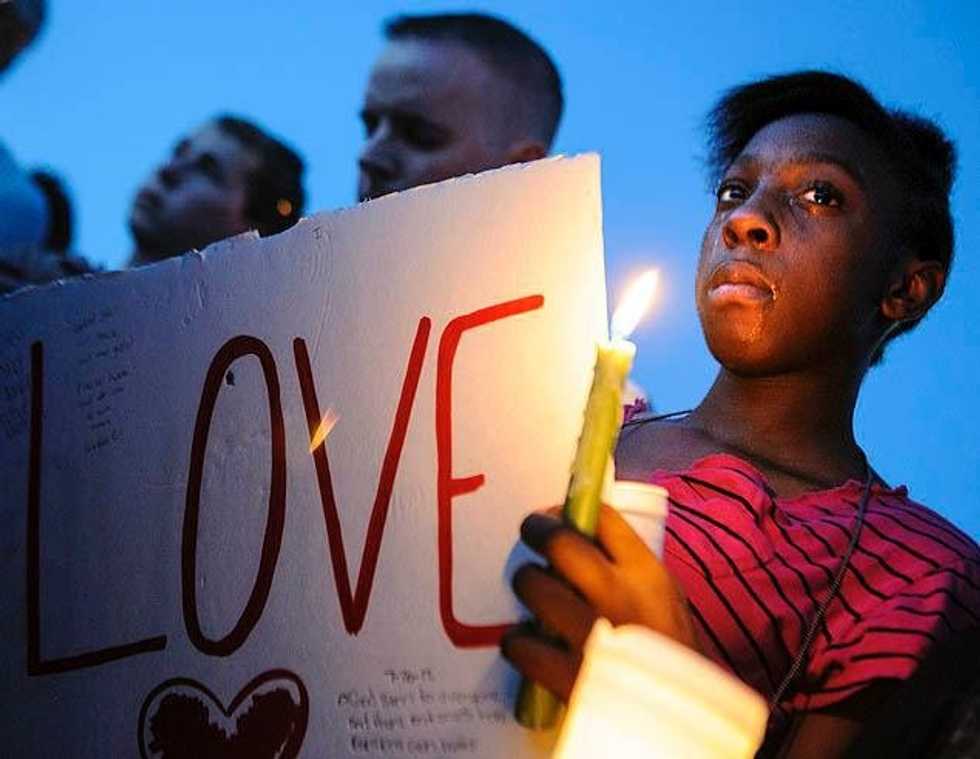
I remember that after the Sandy Hook shooting, prayer vigils were held everywhere throughout Connecticut and the country. Playgrounds were made to commemorate every child who lost their lives, one of which was put on the beach in my town and that children now play on all summer. Flags fly at half-mast in Chattanooga, and everyone becomes #lafayettestrong. This display of passion is the vital first step in the process of eliminating gun violence and finding a solution to the problem.
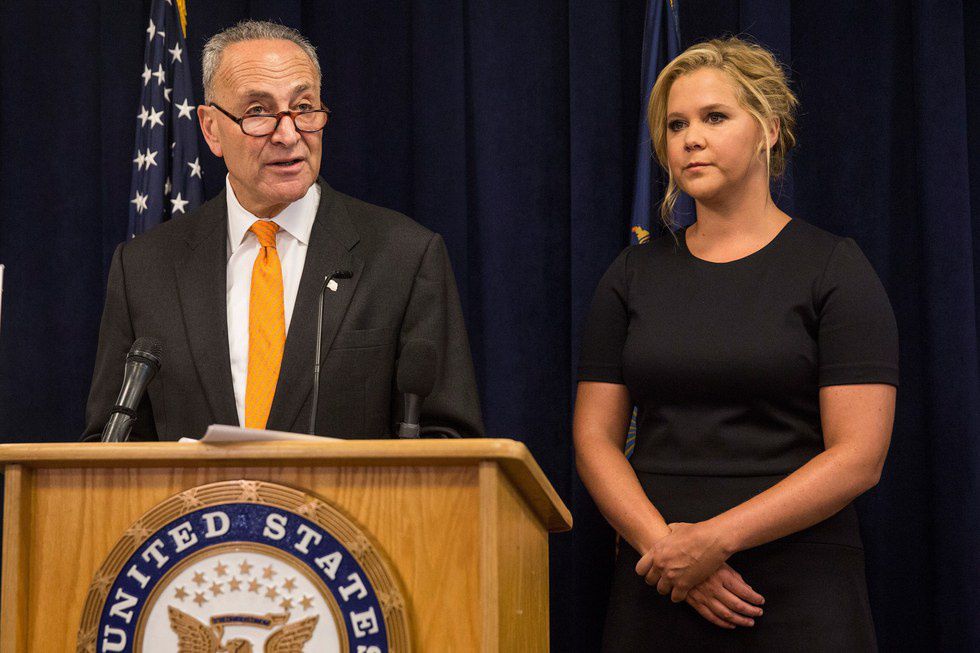
Once a community is passionate about a cause, action is taken, and the world as a whole recognizes a fault in the way that things are. If innocent people are dying at the hands of others, then there has to be a way to prevent it. In regards to the Lafayette shooting, Amy Schumer recently spoke with Senator of New York Chuck Schumer (yes, they’re cousins) about gun control. She was never really an advocate for the issue before the shooting at a showing of her movie "Trainwreck" in Lafayette, but she felt the effects and was inspired. In her speech outlining her and Senator Schumer’s three-step plan to curb gun violence, Schumer said, “I have thought of these victims each day since the tragedy," and even further said that she could picture herself being friends with them. Being in a position of power, Schumer decided to speak on behalf of the victims, their families, and everyone else who was affected by this event and every other senseless shooting in the past. She saw a community coming together in the wake of a tragedy, and she felt compelled to join in.
Nothing can ever be done to bring back the victims. We have lost fathers, mothers, daughters, and sons because one person thinks that they are powerful enough to decide that other people no longer deserve to live. The tragedy of that decision never fully goes away, but the biggest crime would be to bow our heads for a few days in mourning, then to move on with life the same way we had before. As these shootings have shown, people do not just want to look back on these events as terrible accidents, but want to conquer evil with good and prevent the future loss of lives. Back in the winter of 2012, I found myself going to my first ever prayer vigil and joining the rest of my classmates in wearing a green ribbon, the Sandy Hook school color, on my high school uniform. I had only ever been to Newtown twice, but I felt compelled to show my support and to sympathize with the community as a whole. It's possible that this has made more of a difference than I know.
After the Charleston church massacre in which one gunman killed nine people this past June, a service led by Reverend Nathaniel Gadsdon was held to commemorate the victims. He spoke regarding the big steps and complicated measures that need to be taken to prevent further deaths as a result of mass shootings. But looking into the large crowd, Gadsdon recognized the simple gathering of the community as the entirely vital first step in the journey ahead of them. “This,” Gadsdon said, acknowledging the crowd, “is a victory.”

















