Hurricane Florence

Hurricane
Hurricane Florence has wreaked havoc over North and South Carolina over the weekend, leading to 18 casualties, destruction of homes and properties, flash flooding, and major river flooding. Furthermore, a dam overflowed in Fayetteville, causing parks to become submerged in water.
It's going to take some time for the residents to recover from the destructive effects of Hurricane Florence. In the aftermath of flooding, water damage restoration is the next painful part of the process.
In times like this, awareness is your best weapon against the threat of flood. Even if you live in a community with a low risk of flooding, it still can happen. Flash flood can happen without a warning. And even if there is no typhoon or hurricane, continuous downpour of heavy rain can also trigger flooding.
Before the Flood: Step by Step Guide

Before the flood
Preparation is the key to reduce the damage of flood. Here are some important steps to take before a flood:
1.Evaluate your risk. If you live in a floodplain area, consider elevating and reinforcing your home. You can check Floodsmart.gov to gauge your current flood risk. Install a sewage water backstop, place a rain barrel beneath a gutter, and water-proof your entire house. You may also consider buying flood insurance as it is not always included in standard home insurance policies.
2.Elevate furnace, boilers, water heater and electrical panels. HVAC equipment is mostly vulnerable to water damage.
3.Construct barriers to stop floodwater from entering your home or building.
4.Prepare an emergency kit. Stock on clean drinking water, canned food, batteries, flashlight, medications.
5.Make a family communications plan. Have your phones, laptops and other communications devices charged.
During the Flood: Step by Step Guide
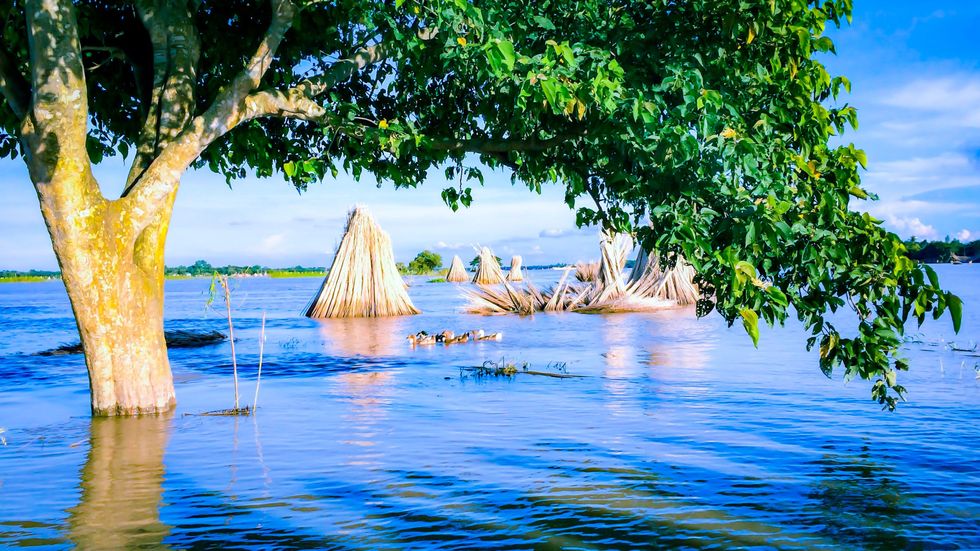
During the Flood
1.Listen to the news. Tune in for the latest updates regarding what areas are safe, roads that are passable, and where to go in case the local authorities urge you to evacuate.
2.If there's a flash flooding, move immediately to a higher ground.
3.If you need to evacuate, secure your home. If there's enough time, move essential items (such as documents, jewelry, etc.) and furniture to an upper room.
4.Switch off the main electrical switches in your home. Also, disconnect and secure your electrical appliances.
5.Do not drive through flood waters or underpasses. Stay away from power lines or broken power transmission cables.
After the Flood: Step by Step Guide
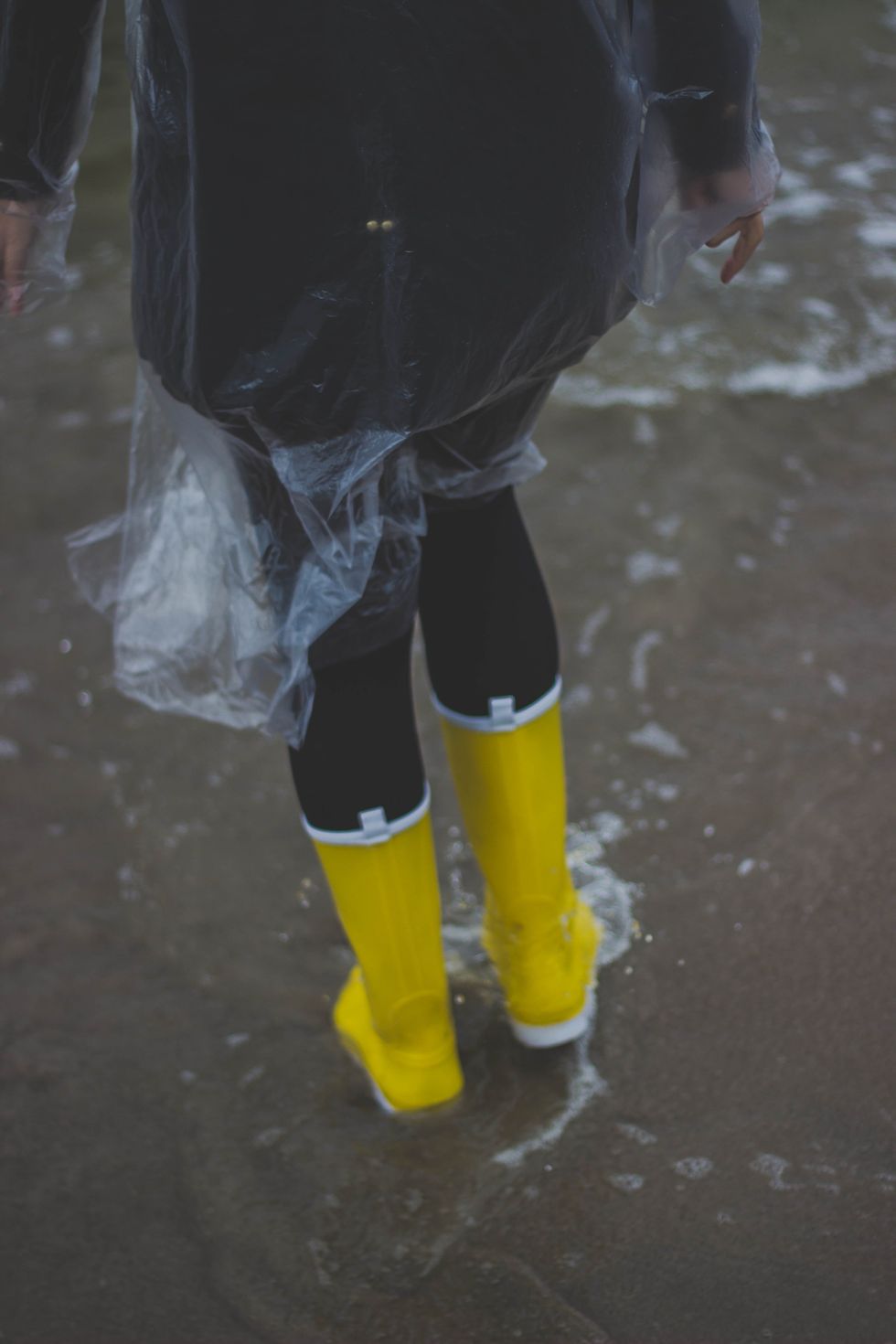
After the Flood
Once the flood subsides, rehabilitation should take place immediately. After ensuring the safety of your family, you should take steps to address the damage caused by flood in your home.
1.Return home only when authorities say it is safe to do so.
2.Stay away from damaged areas and avoid moving water.
3.Take extreme caution when entering your home or building. There could be some serious problems, particularly in the foundation.
4.Cleanup and drying should be done immediately. If your home has been exposed to serious flooding and water damage, call professional water restoration specialists right away. When not addressed as soon as possible, water damage can cause mold problems and rotting of your home surfaces, from the walls to the floors, and furniture.
5.Make use of tools and devices that help reduce moisture inside your home and speed up the drying process, such as air movers and dehumidifiers.
6.Take out all furniture, furnishings and other items that have been soaked in water. Let them dry under the sunlight. Discard items that have been seriously damaged, such as carpets.
7.Do not turn on electrical switches yet. Let a professional electrician inspect all your electric cables, panels and wires beforehand.
8.Clean and disinfect everything. Floodwater is most likely contaminated with disease-causing germs and bacteria. Wear appropriate gear (including mask and gloves) and high-level disinfecting products when cleaning your home after the flood.
9.Contact your insurance provider. Restoring a flooded home can be very expensive. Take photos of the flood damage in your property and keep all receipts related to any restoration work you paid for.
Flooding is a serious problem that any family, even those who live in communities with lower risk of flooding, can experience. To ensure the safety of your home and your loved ones, awareness is the key. In addition, try to avoid several mistakes that almost everybody makes during home remodeling. Hopefully, this step-by-step guide has given you the information you need to prevent or lessen the potential damage of flooding in your home.
- Septic Systems - What to Do after the Flood | Ground Water and ... ›
- 6 Things You Should Do After Your House Floods ›
- What to Do After a Flood or Flash Flood ›
- Before, During and After a Flood ›
- What to do after a flood | QBE AU ›
- What To Do Before, During, and After a Flood | Patterson, CA ... ›
- After a Flood ›
- After a flood ›
- What to Do After a Flood | Repairing Your Flooded Home ›