“Most people do not listen with the intent to understand; they listen with the intent to reply.” – Stephen R. Covey
“So what do you think of Trump?”
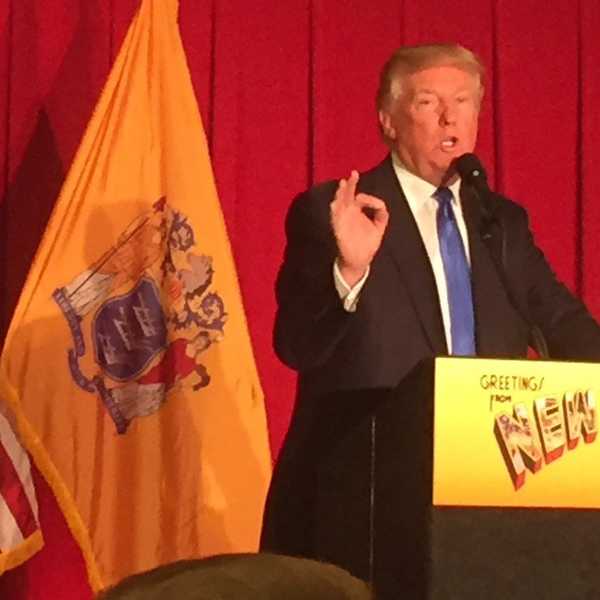
I cringed internally as I noted the enthusiasm in the voice of the older woman next to me. We were at Regent University’s Presidential Candidate Forum, and Donald Trump was scheduled to speak in 40 minutes. I scrambled to come up with a reply that would be honest yet inoffensive to a Trump supporter.
“I don’t think he would be my first choice for President, but I’m definitely here to listen and learn all I can.”
This simple explanation of my political opinion was not enough for my new acquaintance, who wanted to know exactly why I didn’t share her feelings about her favored candidate. I gave her the same reply I knew she had certainly heard from so many other people; I was concerned about several of Trump’s stances, and I wasn’t convinced he could follow through with his promises.
“So basically,” she summarized, “you feel like he’s all talk, with no substance?”
“I think that’s it,” I admitted, “but what is it about him that you like?”
She described the world as she knew it 50 years ago, a place where neighbors cared for each other and brought casseroles to sick friends. Back then, she said, children were polite and well-educated; mothers cared for them, and fathers provided for their families.
The world she remembered had been great; it was also the world that I, as a millennial, have never experienced. She felt frustrated by her perceived loss, and she was willing to embrace any candidate who would promise to restore America to the way she remembered it.
As I listened to her response, I realized how much this woman had lost in the cultural shift of a few decades. She worried that what she had once known would be lost forever unless someone in authority led the fight to preserve the values she cherished. For her, Donald Trump embodied hope. His mission to “make America great again” was enough to remind her of what society had once been, and her longing for the past made her willing to trust his promises.
As I viewed the world through her eyes, I realized how wrong I had been in mentally reducing her to a simple “Trump supporter.” I had taken away the possibility of a rationale behind her position, and I had made her choice of presidential candidate her identity.
When Trump spoke that day, I listened to him from the perspective of the woman next to me. He gave the same promises he had given during speeches before, but this time, I heard them differently. Instead of internally disregarding his points, I listened to them while observing how favorably the woman next to me responded.
While my political position remained the same, my understanding of my fellow citizen’s position had been transformed. I no longer viewed her as a political opponent, but as a woman who shared many of my own concerns for our country and wanted a return to the goodness she had once known.
Trump’s speech ended, and I walked to the parking lot with the woman who now called me her friend. She eagerly asked me how I liked Trump now, and I paused before answering with a sincere smile.
“I like him better than before.”
She beamed. I had been ambiguous in my reply, but she knew I had made an honest effort to understand her. We saw each other as individuals with hope for our country; we parted ways, not as adversaries, but as friends who simply differed in our ideas of how to preserve the goodness of our nation.