

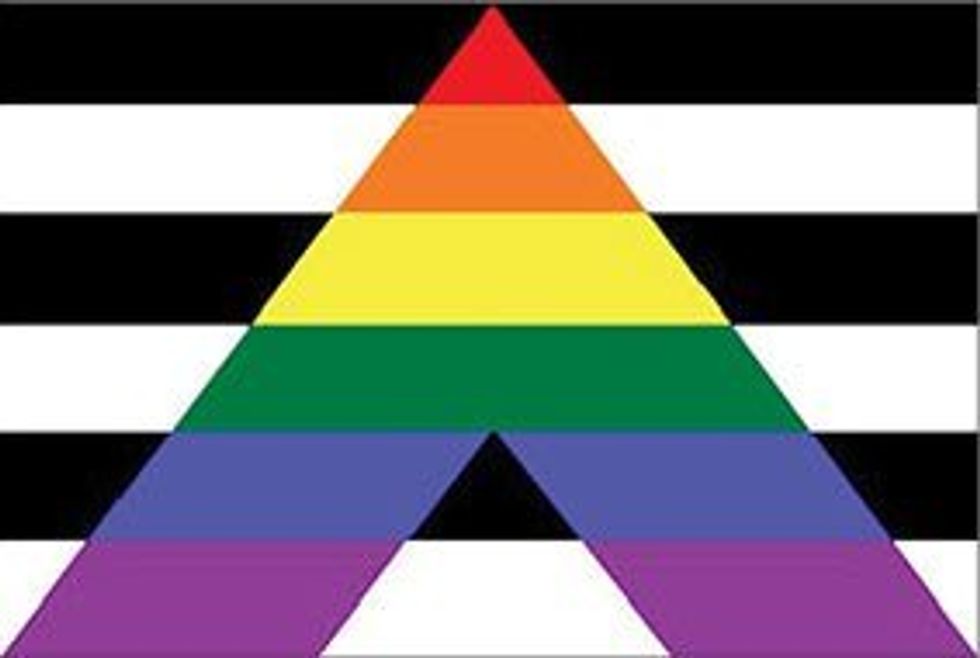
‘Ally’ is a vague term and means something unique to every person depending on their experiences. Using my own personal experience, I will focus on this word as it applies to the LGBTQ+ community. What matters are the things an ally does and refrains from doing. If you consider yourself an ally, this opinion should be backed by the members of the LGBTQ+ community.
Being an ally is more than just showing acceptance and support; it’s a title that suggests action and involvement. It might seem like an insignificant difference and that it doesn’t matter if someone uses the term incorrectly. On the contrary, casual usage of the word ignites comfort and accomplishment. Not every person can or will be an advocate for the LGBTQ+ community and some people are able to be more active than others.
However, if a person feels they are an ‘ally’ but do not regular socialize with those in the community, go to rallies, prides, informational events or work towards educating themselves, it is a misrepresentation of the word. Feeling that you are already an ally makes it easier to forget that there is always room for improvement. If any person to claim to be an ally without putting in any effort, it takes away from the people who work hard everyday as allies. This doesn’t discount acceptance and support. These are still valuable and vital, but are only a fraction of the role as an ally.
There are countless ways to be an ally, and a great place to start is by educating yourself on LBGTQ+ terms, stories, events and ways to get involved. It is vital to simply talk to people and listen to what they have to say with an open mind. A willingness to talk and exchange experiences is often overlooked as important, but it is necessary to discover other people’s perspectives.
Although it seems obvious, it’s important to acknowledge the stereotypes and assumptions you might make without even realizing. When meeting someone new, try not to assume that they are straight and cisgender only based on their appearance. Notice when you fall into the habit of these thoughts and do your best to change them.
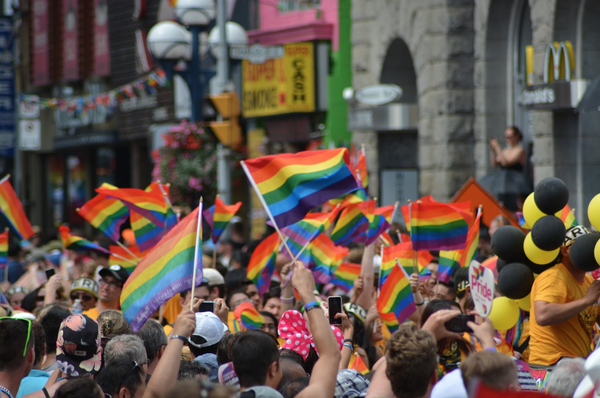
Many people consider themselves allies to their close friends and family, but allyship extends to everyone in the LGBTQ community, known or unknown. Going to pride parades, organizing events, or doing anything to work towards education and acceptance affects more people than you personally know, so keep in mind that your efforts are far reaching.
If an ally of privilege, keep in mind exactly how much your privileges get you. Think of what you wouldn’t be able to do otherwise, and how people might view you differently. When you speak as a privileged ally, make it known that you do not take this fact for granted and are only sharing your perspective. Acknowledging that you have more than others do can be difficult, but it is not something to be ashamed of, especially if you are using your privilege to make a difference.
Keep in mind that a true ally does not let the fear of making a mistake keep them from being active in their efforts to make the world a better place,

















