
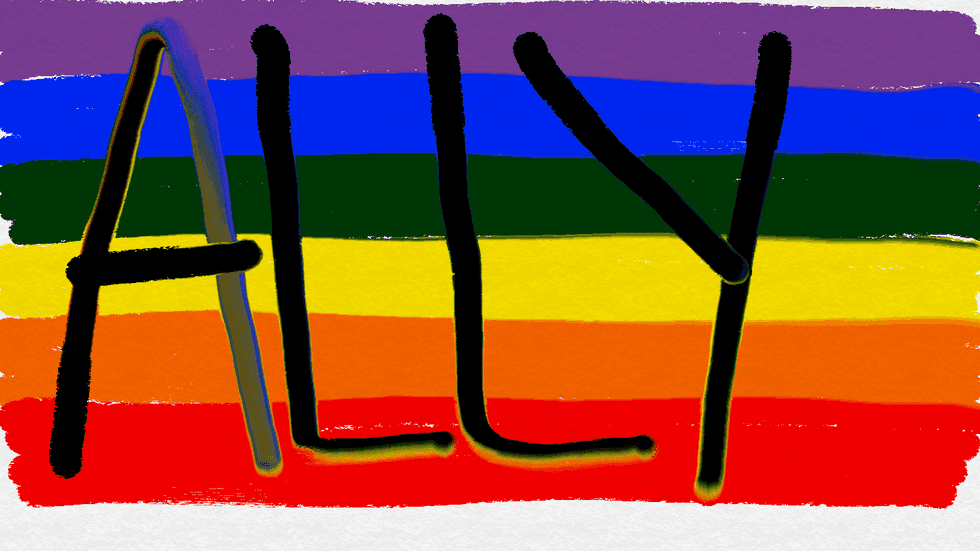
Being an ally takes a lot of knowledge and strength. To be a great ally, there are a lot of things one must take into consideration. Before you begin to defend and support your diverse group of choice, here are some things you might want to take into consideration
1. "Ally" is not a self-proclaimed identity. This means that you shouldn't use the term ally to describe yourself. Others give you permission, based on your actions, to decide when you are being a true ally. Someone who trusts you enough to call you their ally has given you a title that you must continue to earn and respect. Remember that you are not an ally until someone else of that diverse group labels you as such.
2. To be an ally, you have to listen. Listening is important because an ally must remember that they are not the target of discrimination. By listening, an ally can decide how to take action against discrimination, and what the people of that group feel is the right action to take. Being an ally means that you support and defend, as well as listen to what people have to say.
3. Allies know how to pick and choose their battles. Sometimes having a heated debate is exhausting and worthless to help the cause. Being able to restrain yourself from unneeded violence and turmoil is healthy for you, and also the diverse group you represent. This doesn't mean that one can simply walk past discrimination without challenging it. It means that should you come across discrimination you can decide how to discuss the situation and point out the cause without representing your diverse group poorly. If you try and call out every bigot you encounter, you won't be focusing on the big issues that diverse groups face.
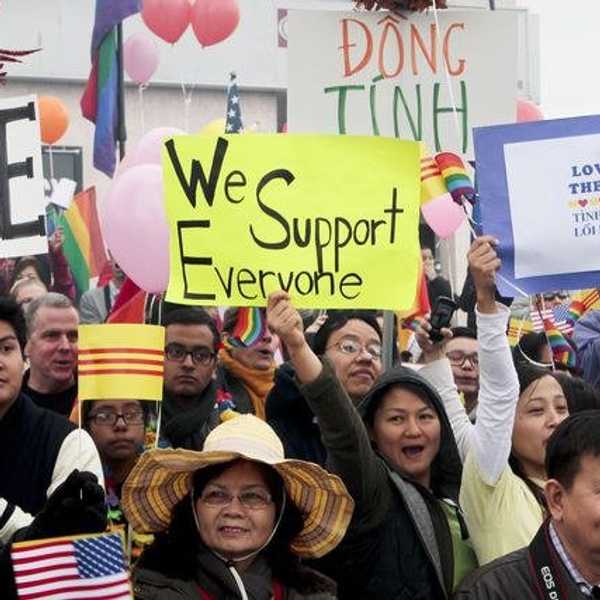
4. Allies are always ready to fight! Allies have a very specific job to do, and that is to strike down ignorance against their diverse group of choice. By going to rallies and conventions, spreading knowledge, holding and attending those events, and informing people of the struggles their diverse group faces, allies show that their cause is important enough to fight for.
5. Allies are always willing to learn. By understanding that you don't know everything, and that you can't know everything about the struggles your diverse group faces, you will be a stronger ally. The strongest allies find the knowledge themselves, and do not rely on others to supply the information for them. Allies also understand that by learning and then educating others, they spread understanding and care to their diverse group of choice.
6. Allies are not in the spotlight. Great allies understand that the spotlight and attention needs to be on the diverse group that they represent. If you are an ally, you are not the one being discriminated against, you are the one who is supposed to spread information and support the ones who are. By taking the spotlight off of those who are oppressed hurts the chance of the oppressed getting the recognition that they deserve. Instead of taking the spotlight, direct it towards your group of diverse people.
By doing these things, and more, one can become a strong worthy ally, and help those in need of recognition and understanding.
A special shout out to Phil C. Wilken, a President of Alliance, and Gender Equity Lead Topics Student, for your insightful words on this subject. Phil is a great student who works at the Gender Equity Resource Center at UW Superior, Wisconsin and has been a great help in writing this article. Thank you, Phil!