


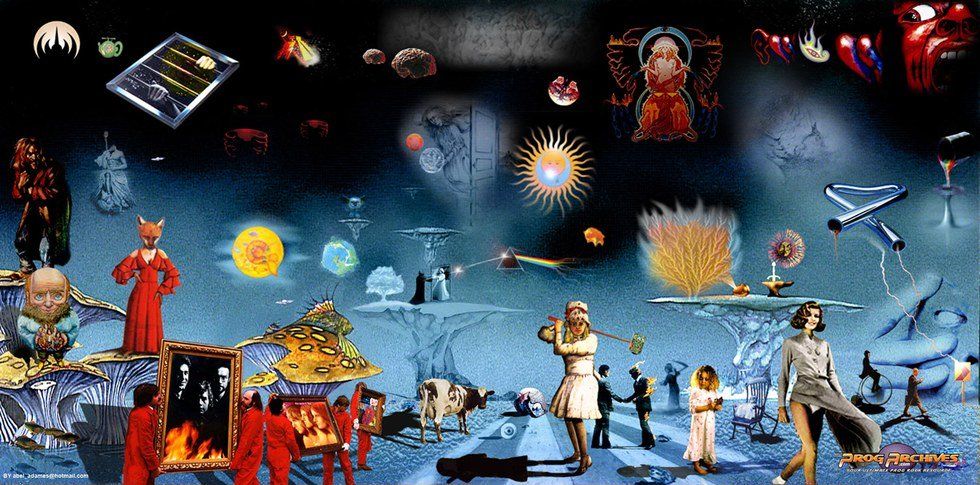
Rock music, in its earliest incarnation, was heavily derived from gospel, blues and country, creating a fusion of styles that no rebellious youth could resist. Throughout the late-1940's and into the 1950's, Rock'n'roll music was a light-hearted, high-spirited means of conveying an anti-authoritarian attitude through the power of music. While this popular and widely controversial genre has its roots in American culture, the spirit of Rock'n'roll was powerful enough to make its way across the globe, birthing a worldwide phenomenon. This would later be the direct cause of the British Invasion of the 1960's, bringing upon us the unforgettable Beatlemania and eventually causing rock music to become less of a commodity among youth and to blossom into a staple genre of music for all ages.
As the 1960's came to an end, however, a new style of rock music was in the process of being created. This style had roots in psychedelic rock, jazz, and classical music, and was unknown to most of the world. When a band named King Crimson released their debut album In the "Court of the Crimson Kind" in 1969 is when this sub-genre is said to have been born.
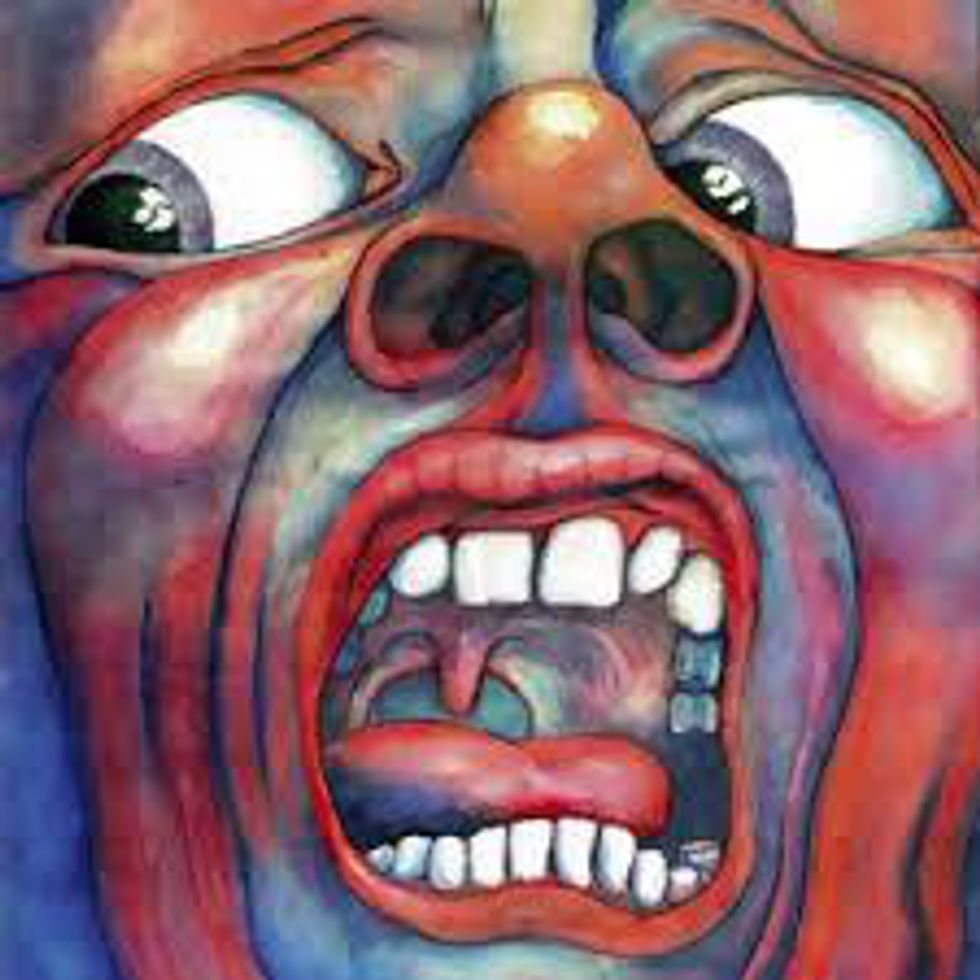
This genre being, of course, progressive rock.
Progressive rock is a sub-genre that is extraordinarily difficult to describe. It often involves experimental music styles, odd time signatures, poetic lyrics and conceptual themes. The name of said sub-genre is unknown to many, but the powerful influences this genre has had on music as a whole do not go unrecognized by the common man. Today, I would like to raise awareness as to what this genre really is, what artists have been involved in it, and why this so-called underground genre is so important to music even to this day.
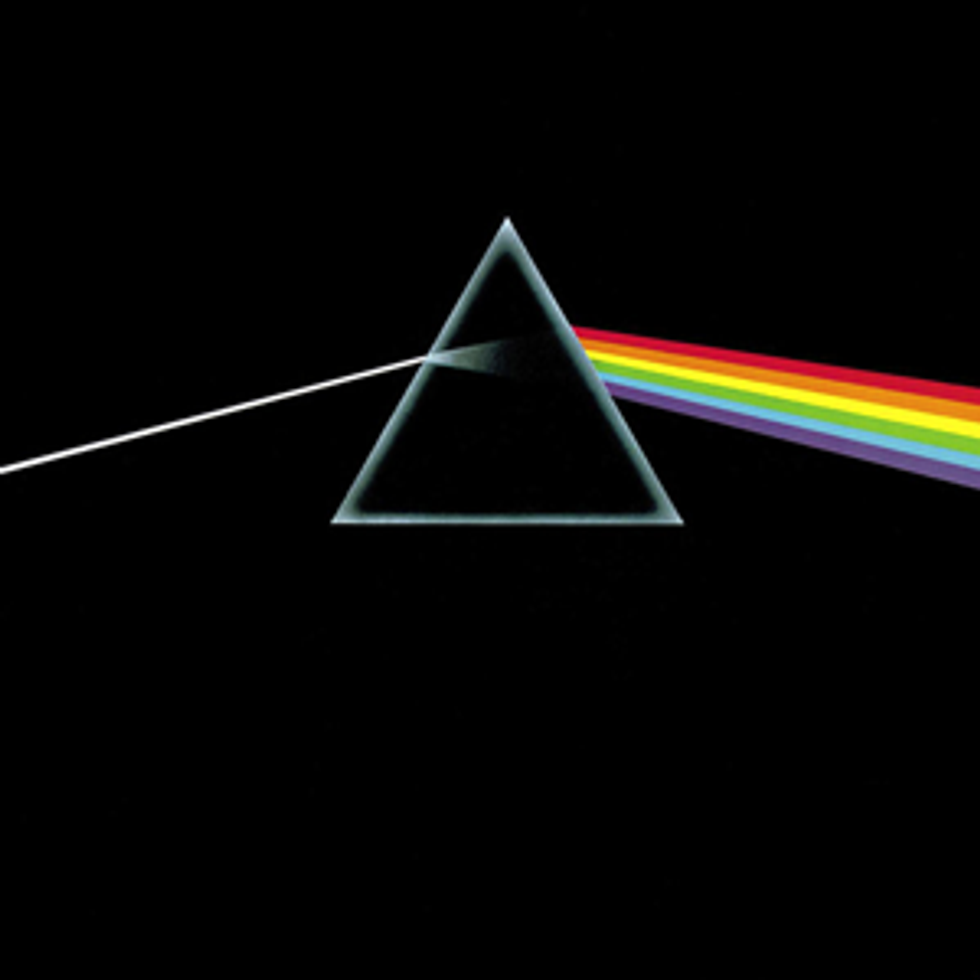
Perhaps the most recognizable progressive rock band is Pink Floyd, a progressive/space rock blend that incorporated complex themes and ideas into revolutionary songs. Pink Floyd began as a psychedelic band under the lead of Syd Barrett, but eventually became much more of a progressive rock band as Roger Waters's conceptual lyrics and David Gilmour and Richard Wright's experimental instrumentation lead them into glory. The most recognizable progressive rock album is likely Pink Floyd's "Dark Side of The Moon," a concept album tackling the ideas of death, insanity, warfare, and capitalism.
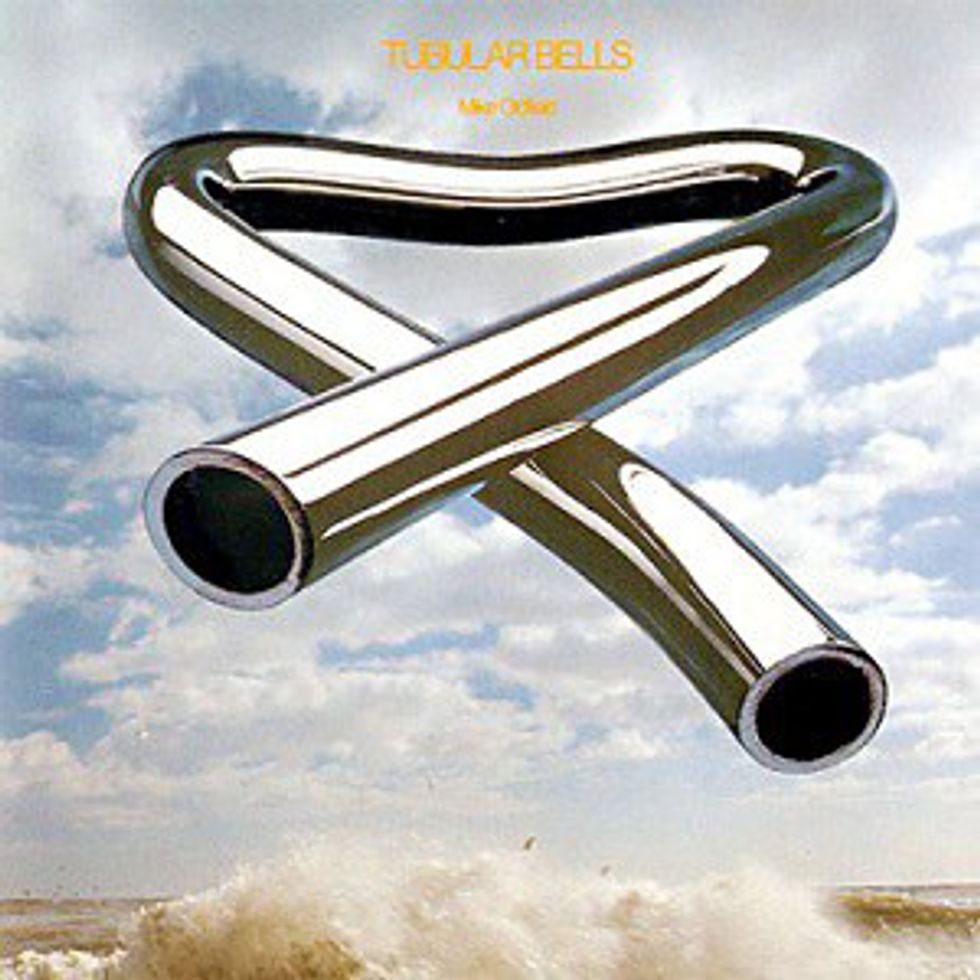
Do you recall the famous theme song to "The Exorcist?" This was taken from the beginning of Mike Oldfield's progressive rock album Tubular Bells.
Other classic progressive rock artists include:
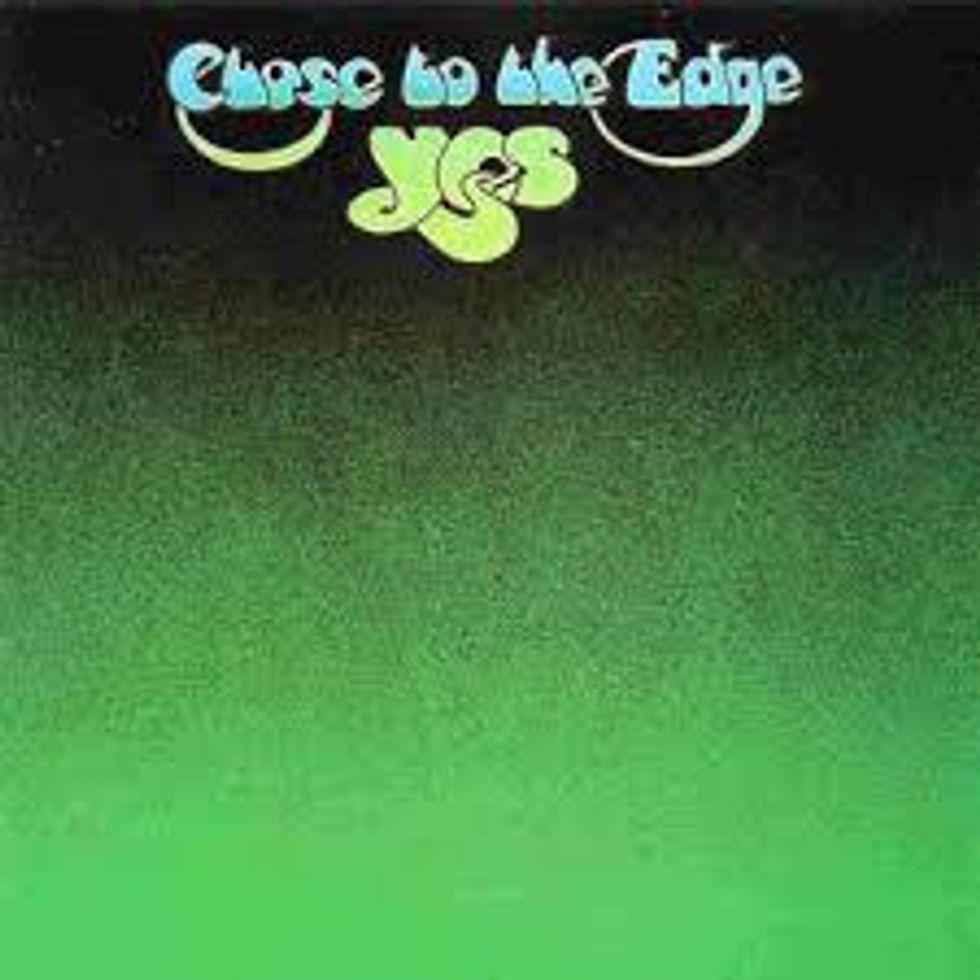
Yes
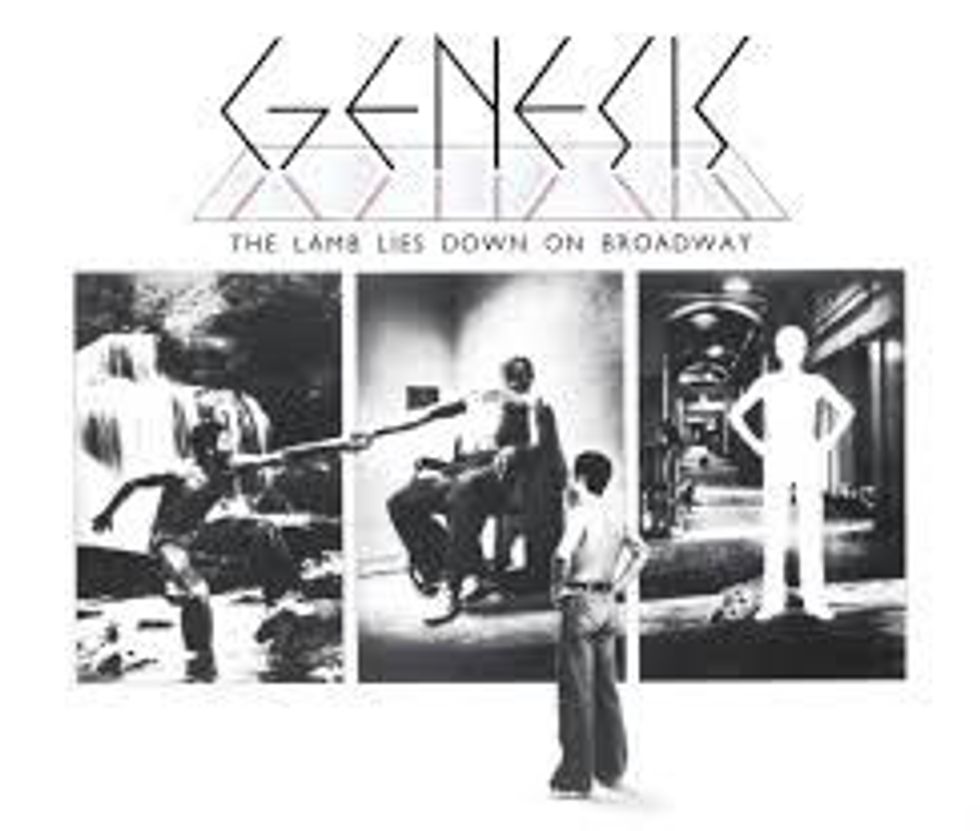
Genesis
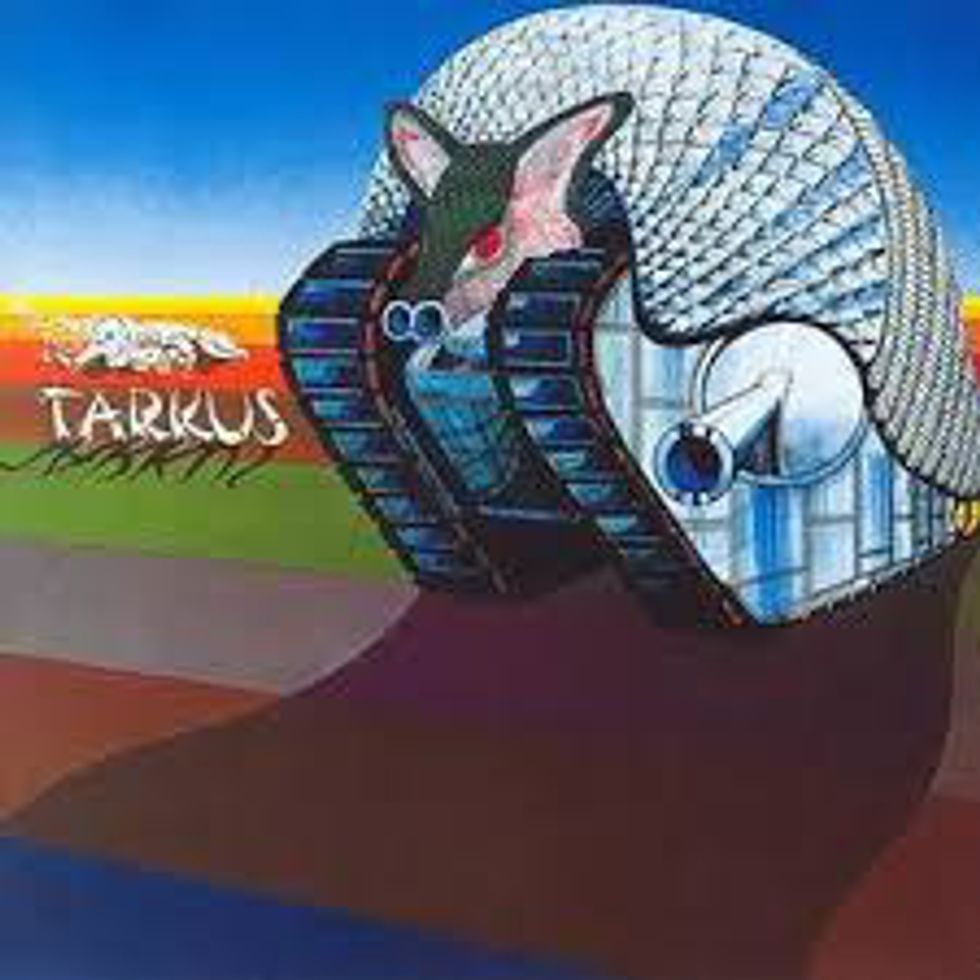
Emerson Lake and Palmer
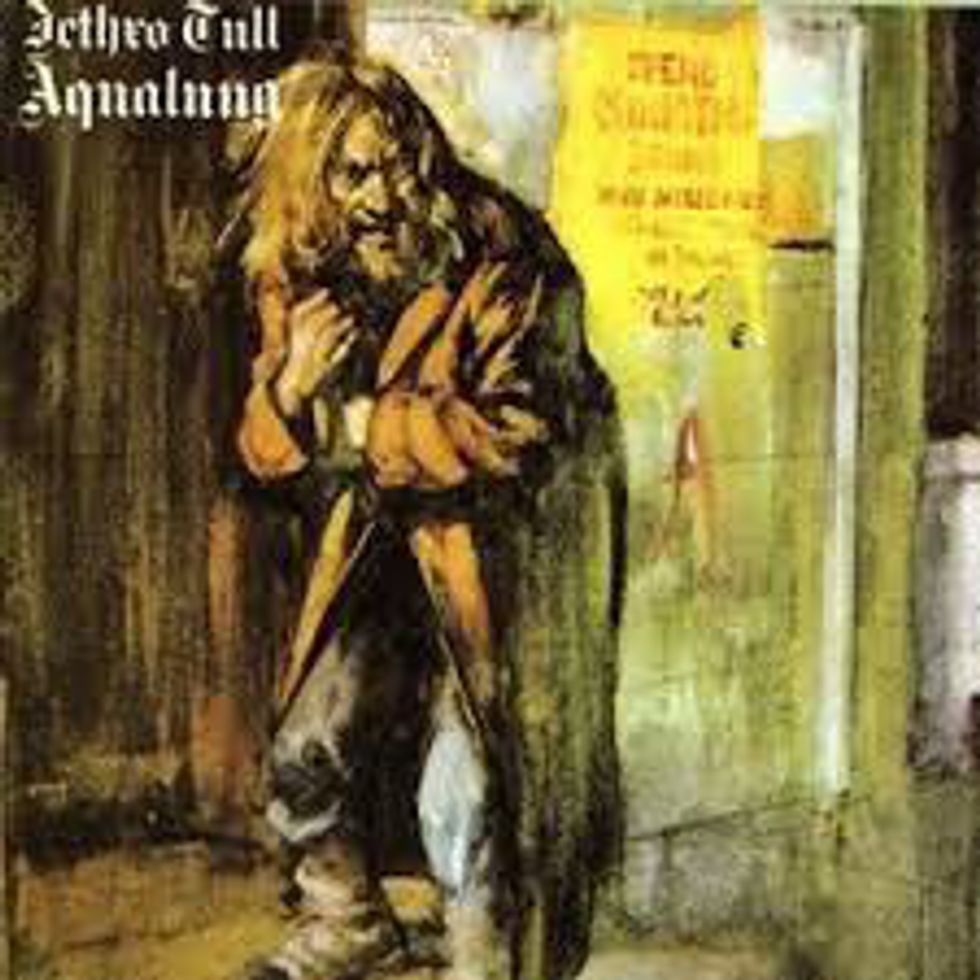
Jethro Tull
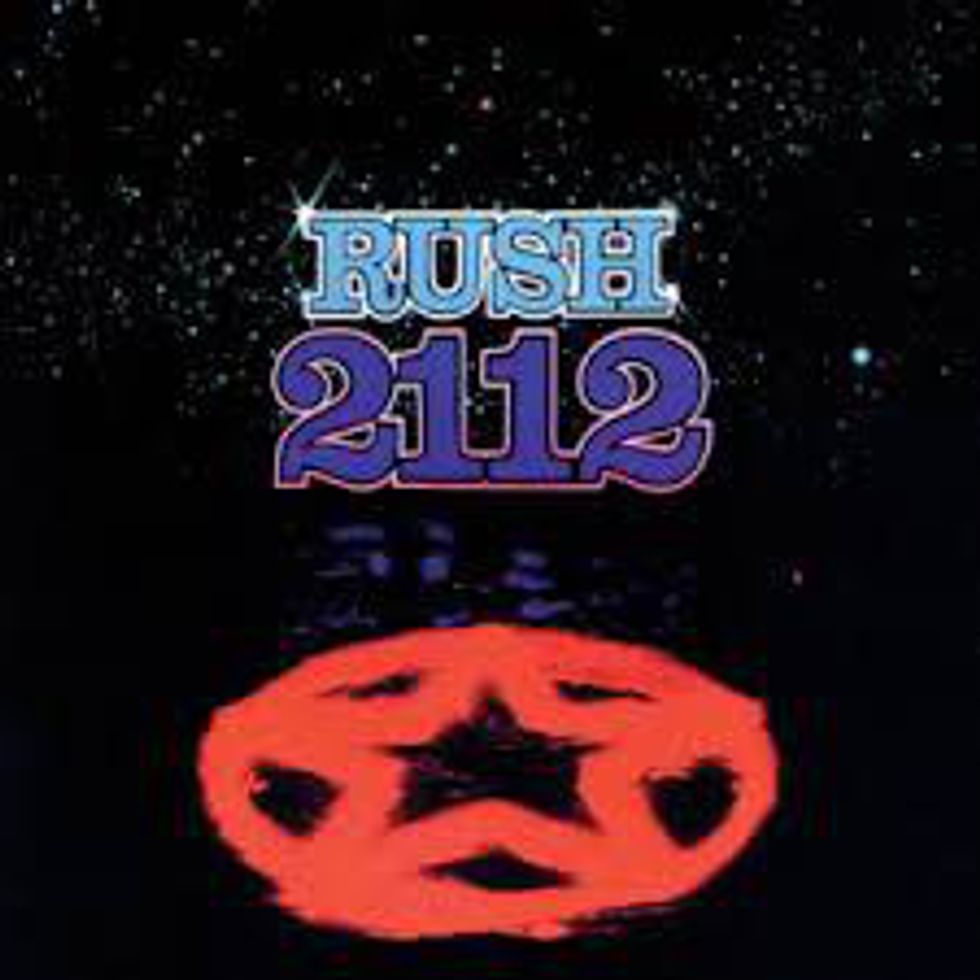
Rush
Gentle Giant

While the genre itself never made it into the mainstream, many songs and artists of the genre were able to emerge as stars.
Today, as more underground music is becoming accessible with the aid of mass media and the internet, we can see that this genre is still flourishing. Progressive rock eventually birthed progressive metal, a much edgier and heavier incarnation of the subgenre. Modern progressive rock and metal musicians include the following.
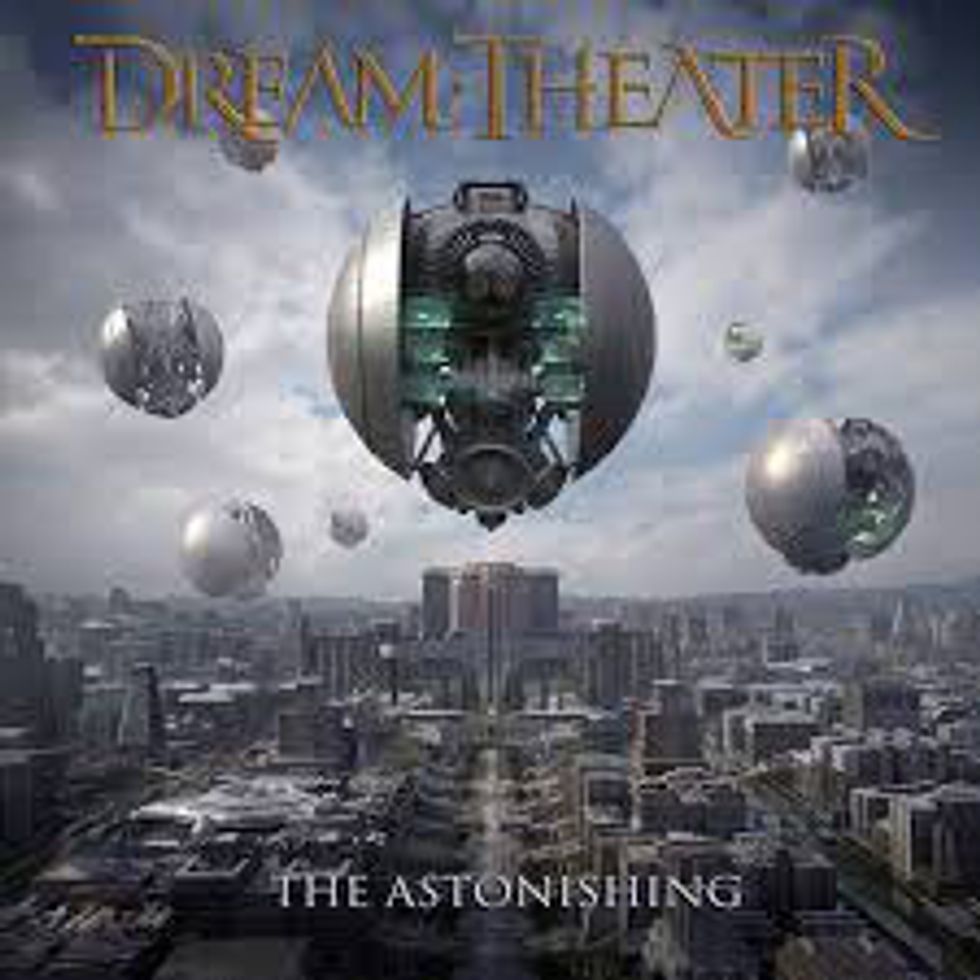
Dream Theater
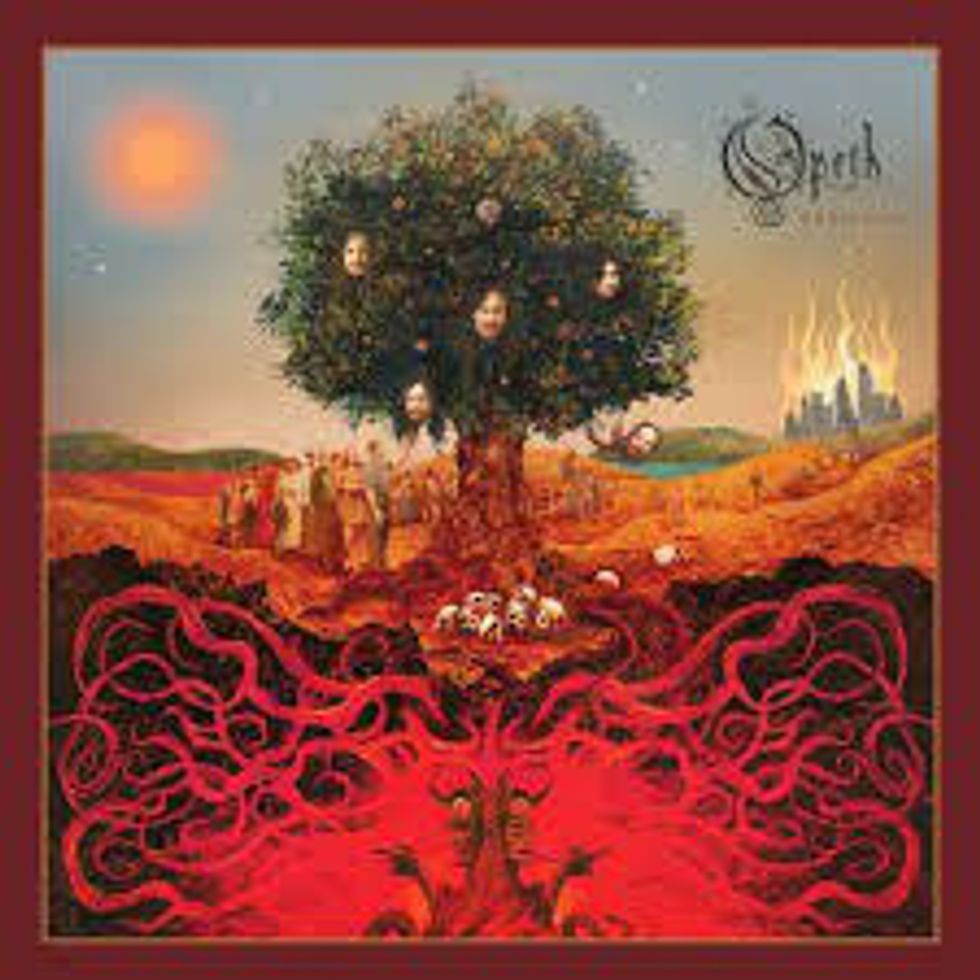
Opeth
Muse
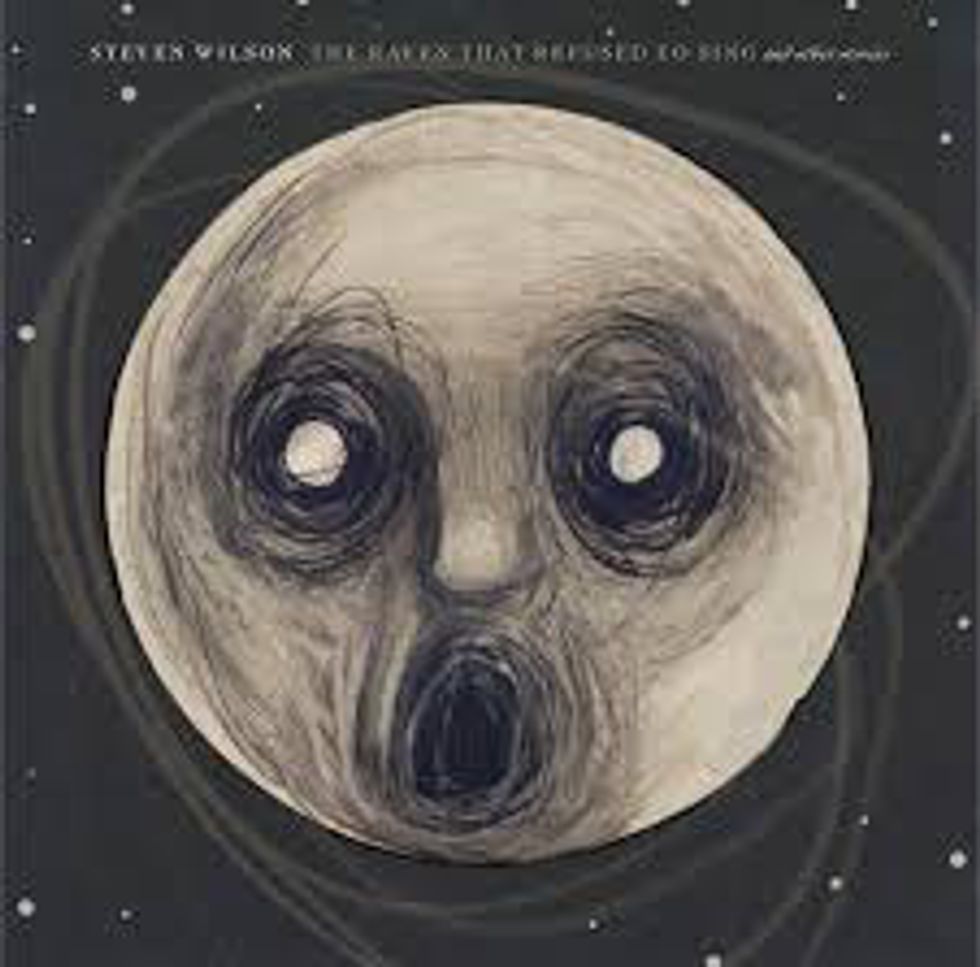
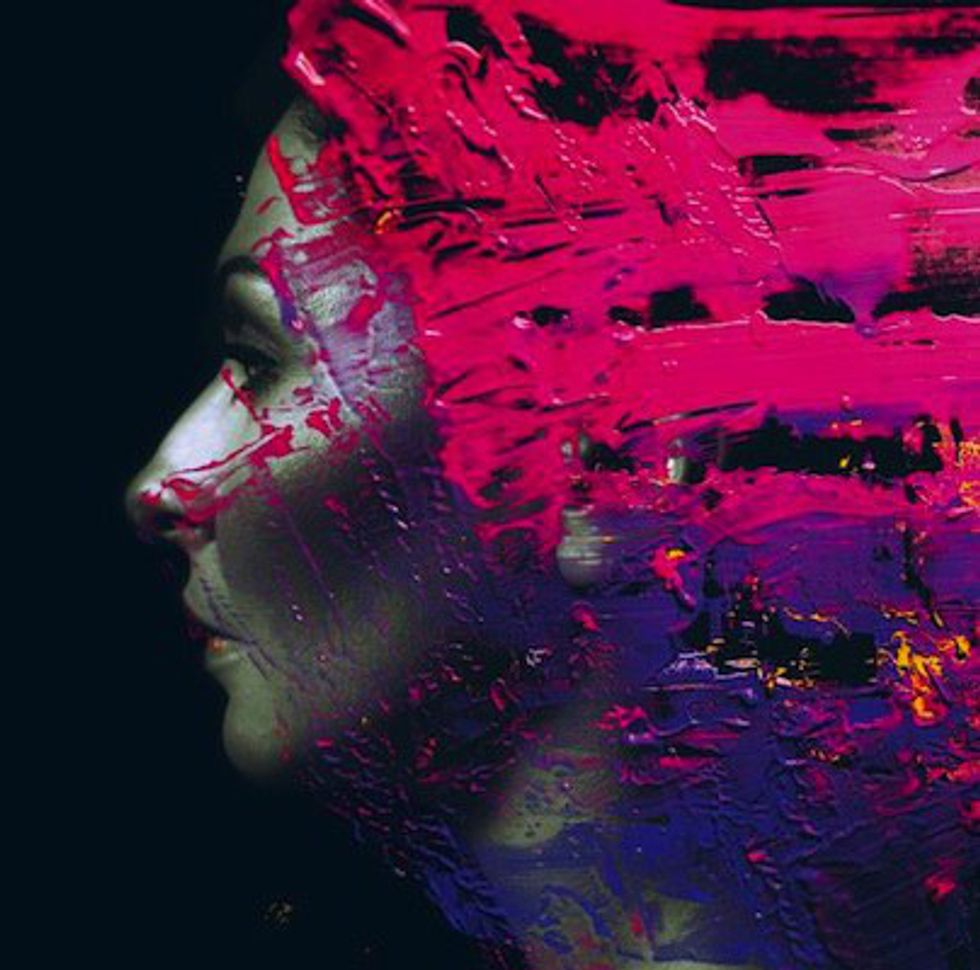
Overall, progressive rock is an experimental, turbulent, emotional and powerful subgenre that sets a new standard for music. From no other genre have we had storytelling as emotional as that of Steven Wilson's in "The Raven That Refused To Sing" (telling the story of a man longing to hear his long-dead sister) and in "Hand. Cannot. Erase." (telling the story of an unknown woman's death).
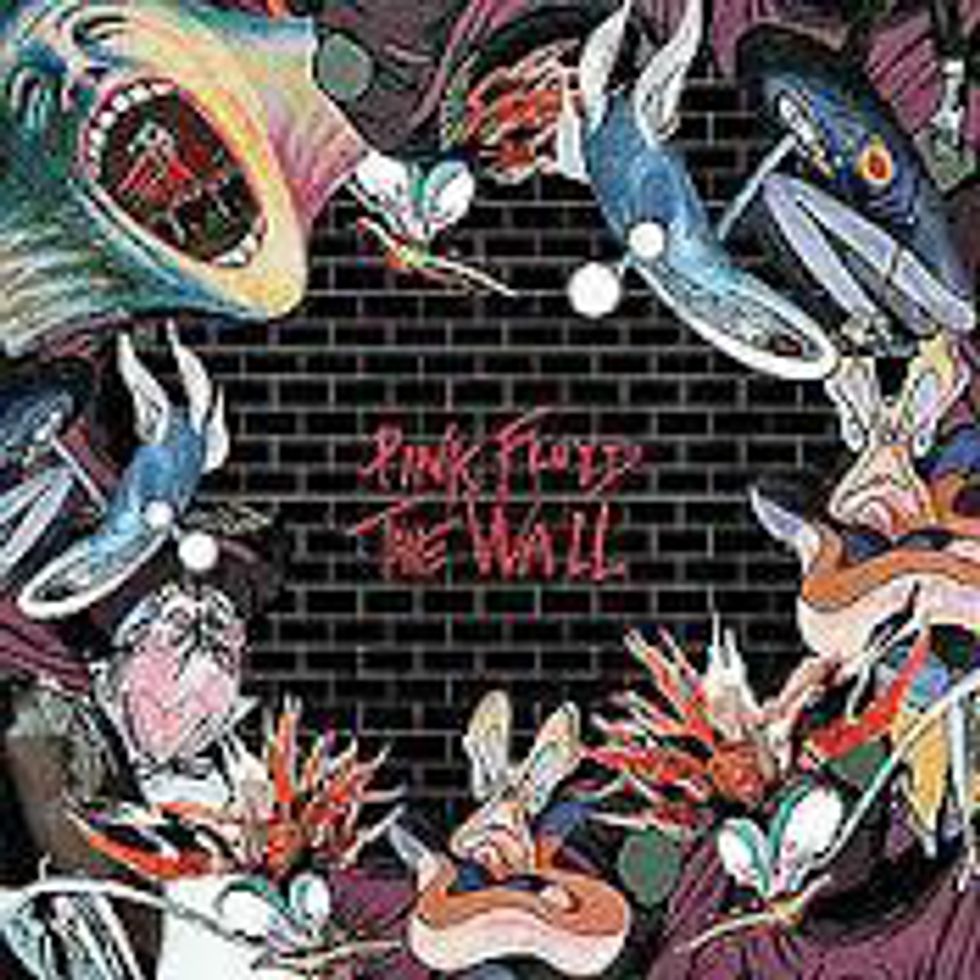
Or as powerful as Pink Floyd's in "The Wall" (in which a man builds a metaphoric wall to block out the trauma of his life).
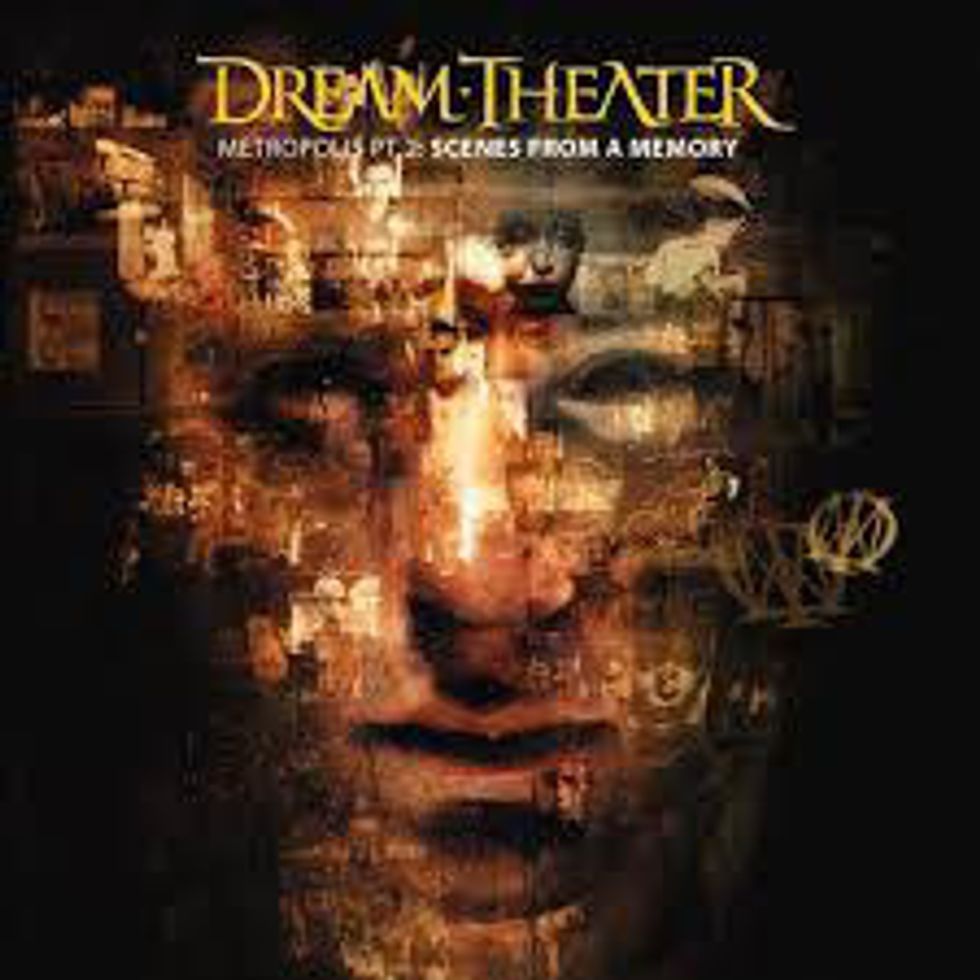
Or Dream Theater's in "Metropolis Part 2: Scenes from a Memory" (in which a man discovers his past life as a young girl who was murdered).
Or, how about as moving as David Gilmour's monumental guitar solo in Pink Floyd's "Comfortably Numb."
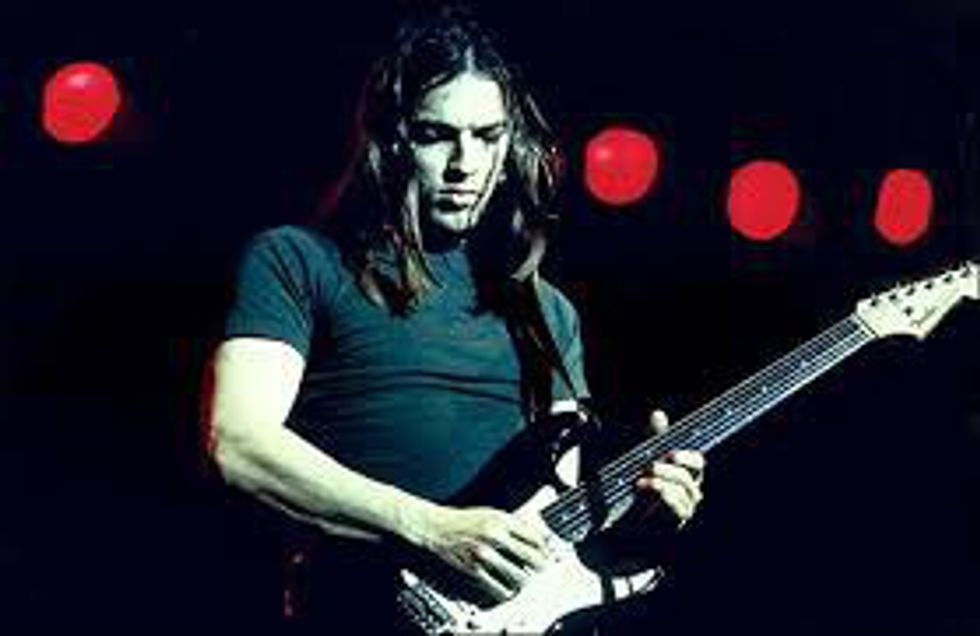
Or as melodic as Ian Anderson's flute in Jethro Tull?
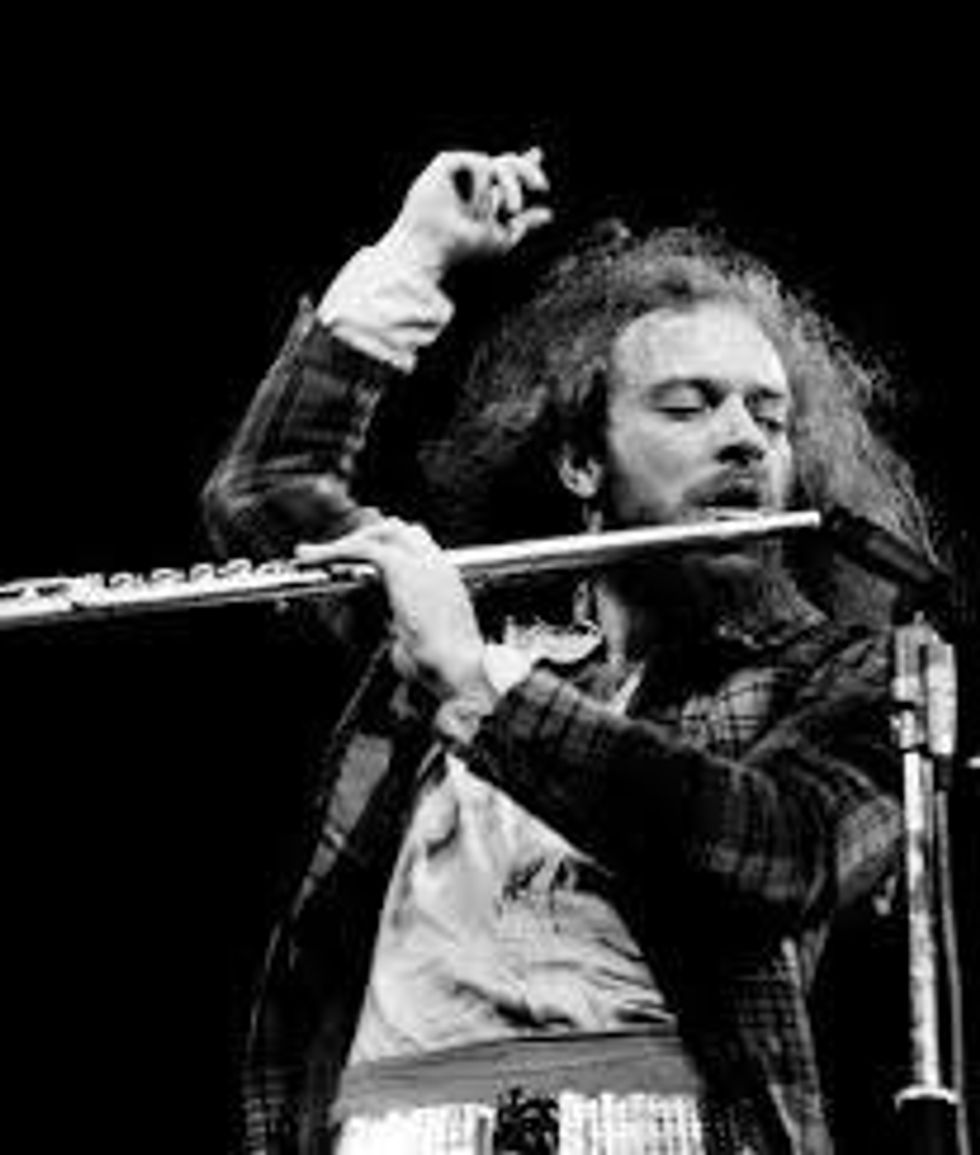
Bands that produce progressive rock are aware that it is unlikely they will ever reach fame. Many of these bands go unnoticed by the public and will never live to see the day their songs are played on the radio. These simply are not the reasons progressive rock bands make music. They make music to create, to inspire, to push the limits of what is possible, and to show the capabilities of music when even its limits are pushed.
















