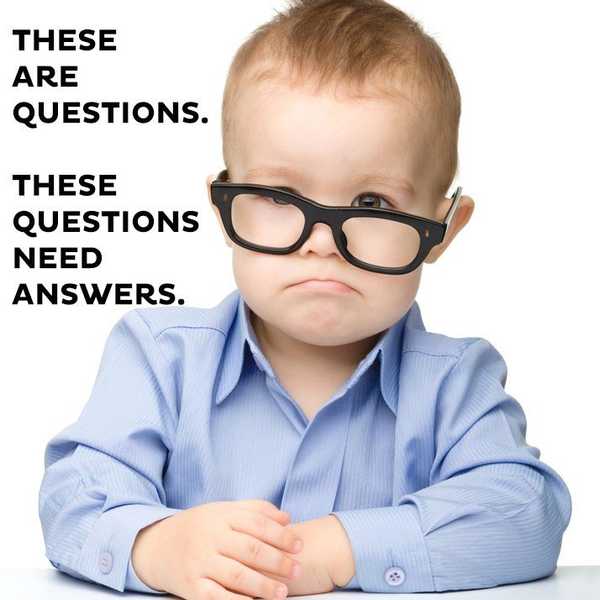

We’ve all been innately curious individuals. As kids we touched the oven to see if it was hot, screamed to see how our parents reacted, and probably ate a whole lot of inedible stuff to know what they tasted like. But our ability to question and learn about what’s around us grew as we did. We started using words and all of a sudden, we could ask more meaningful things with one word, “Why?” As anyone who has children or works with kids can tell you, this is the number one question you’ll hear from any group of kids.
But as annoying as it can be, there’s something fundamentally beneficial from asking why repeatedly. When you ask why X is the way it is, you get an explanation about the Y making it happen because of Z many things. If you encourage children to ask about different areas, you can start their interest in many subjects. For example, asking why someone feels and acts a certain way enough can lead to beginning psychology and sociology, asking why a building looks a certain way opens up architecture and engineering, and asking about different pictures and books could lead to painting, photography, or writing.
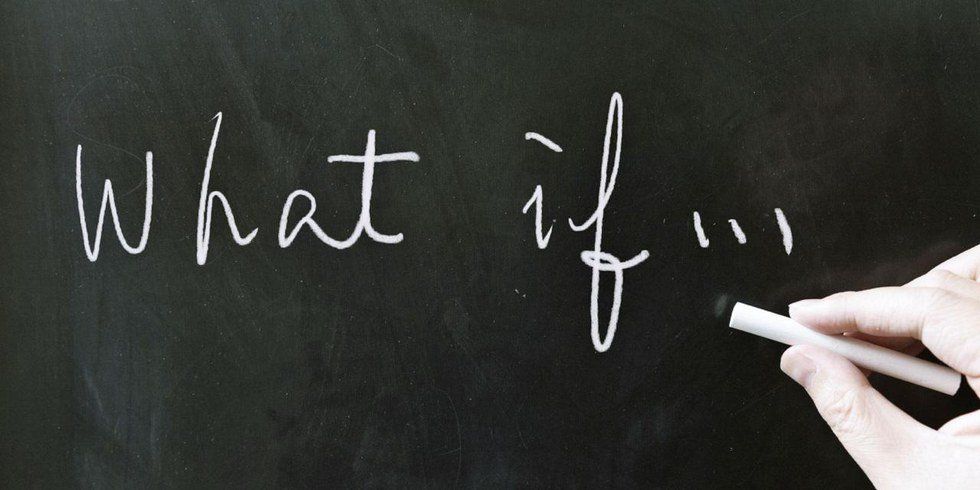
Once someone starts applying the question of why and understands its use, they begin to ask an immediate follow-up, “What if…?” When you know how and why X behaves the way it does, you could ask what would happen if A happened instead of Y and if it could lead to B instead of Z. This question comes with a catch, we need to limit its use in retrospect. Asking what if about events that have already happened and that you can’t change, even if you’re able to change and work through their effects, primarily leads to speculation.
Instead, we need to use what if in a more progressive manner. Instead of asking what would happen if some past event had worked out differently, we must ask what would happen if we enact a given law, what would happen if you made a certain decision, or what could happen if you changed a design or color scheme even.
What if and why can be used on any scale, from the largest introspective questions, “Why am I like this and what would happen if I changed?” to the comparably smaller, “What if I cooked instead of going out?” These two questions form the basis of a more quantitative and scientific approach to issues than simply making a simple wild-ass guess. Anyone can learn a lot from the right use of these two questions regardless of age, maybe except for the little kid shoveling sand in their face at the playground.
So, the next time someone asks you to question everything or to take what they say as an absolute truth, don’t feel insecure in asking them why.