

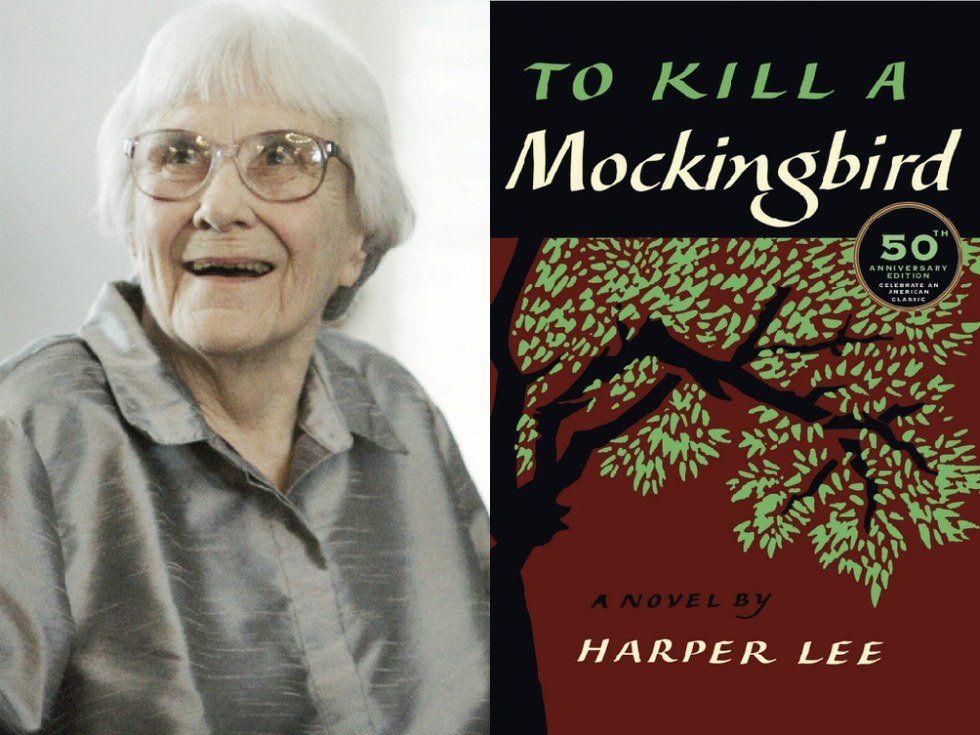
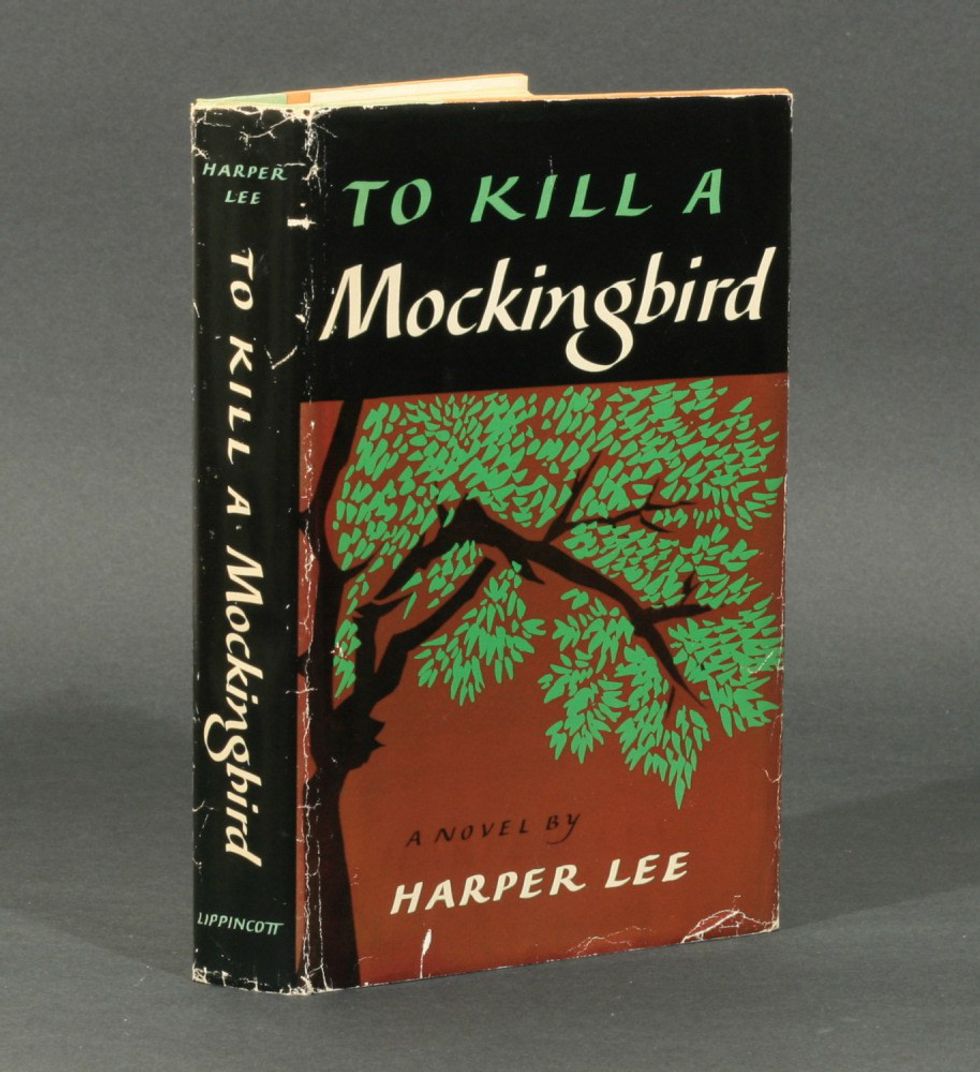
Harper Lee's death, the confirmation of which arrived Friday from Monroeville, Alabama, feels surreal enough to ignore. Yes, we have heard it from the City Hall of the town she called lifetime home, and we have seen the headlines regurgitated by all the popular news sources. But from the comfy seat viewing my bookshelf, I think... wow. Despite her passing, Harper Lee doesn't feel any more absent from my life.
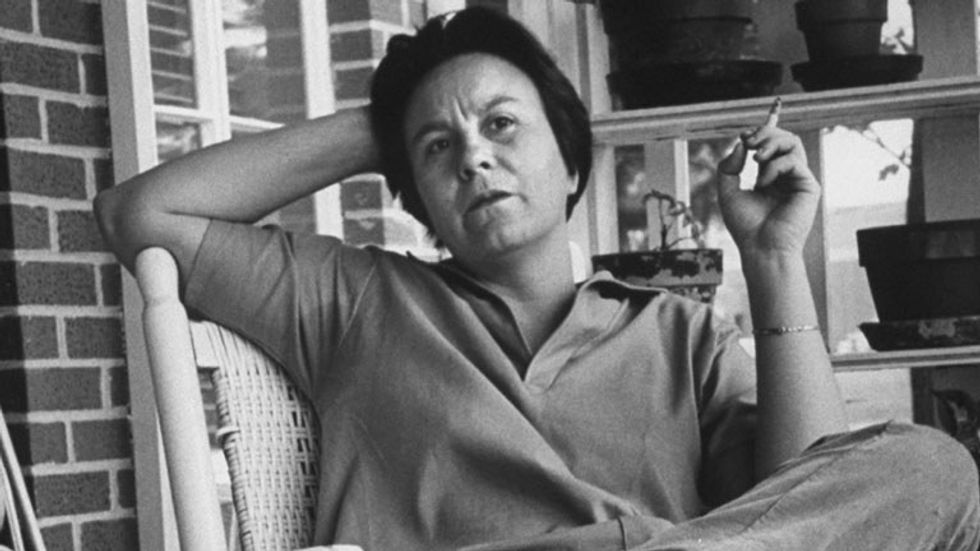
"We knew her as Nelle Harper Lee, a loving member of our family, a devoted friend to the many good people who touched her life, and a generous soul in our community and our state. We will miss her dearly," said nephew Hank Conner following Lee's death. This gives a lovely snapshot of what it was like to know the author personally, but I can't pretend to share in this reflection. As Lee penned and Atticus Finch spoke: "You never really understand a person until you consider things from his point of view, until you climb into his skin and walk around in it." So here's my skin.
My life that has changed forever due to the impact of Lee's most widely-acknowledged achievement, the novel To Kill a Mockingbird. This was an instantaneous ninth-grade impact, but so are many other experiences. THIS one proves itself different because of how it also is today; it resounds, continually empowering me. And this resounding empowerment lives in literature, so it can't perish the way people do.
A character, Atticus Finch— his decided manner of talk, his generous honesty, his firm understanding of the world's ways that somehow didn't let any jadedness leak into his active pursuit of justice— became my prime example of a normal person doing right by their time on earth. Atticus can't die, and I love him.
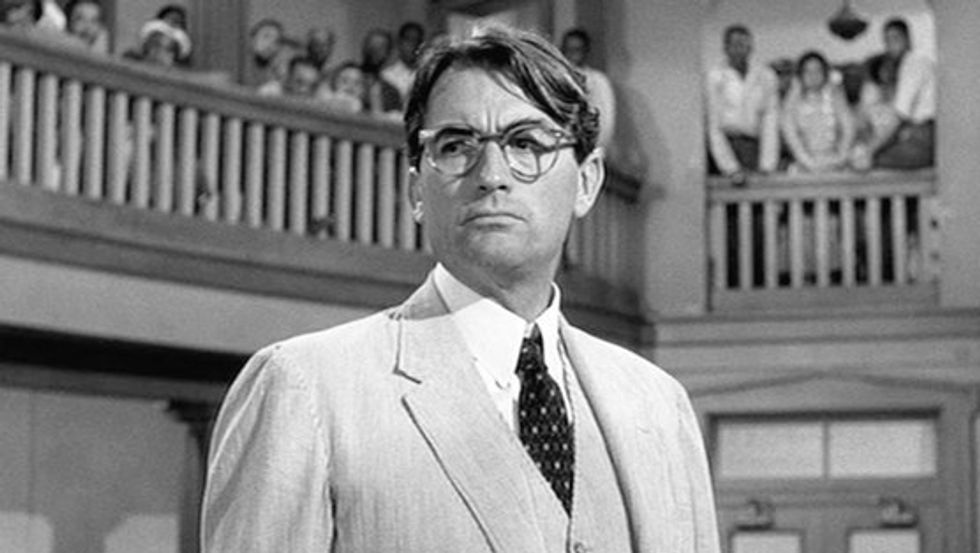
A place, a United States courtroom— simultaneously emotional and logical, deeply corrupted by our systematic oppression— captured my attention when Atticus battled there for the honor and free life of an innocent man. The compelling argument and the heart-wrenching story in defense of Tom Robinson made me feel passion, and the final verdict shocked me so much that I exclaimed aloud; years and years after those words were written by Harper Lee, I screamed upon finding them.
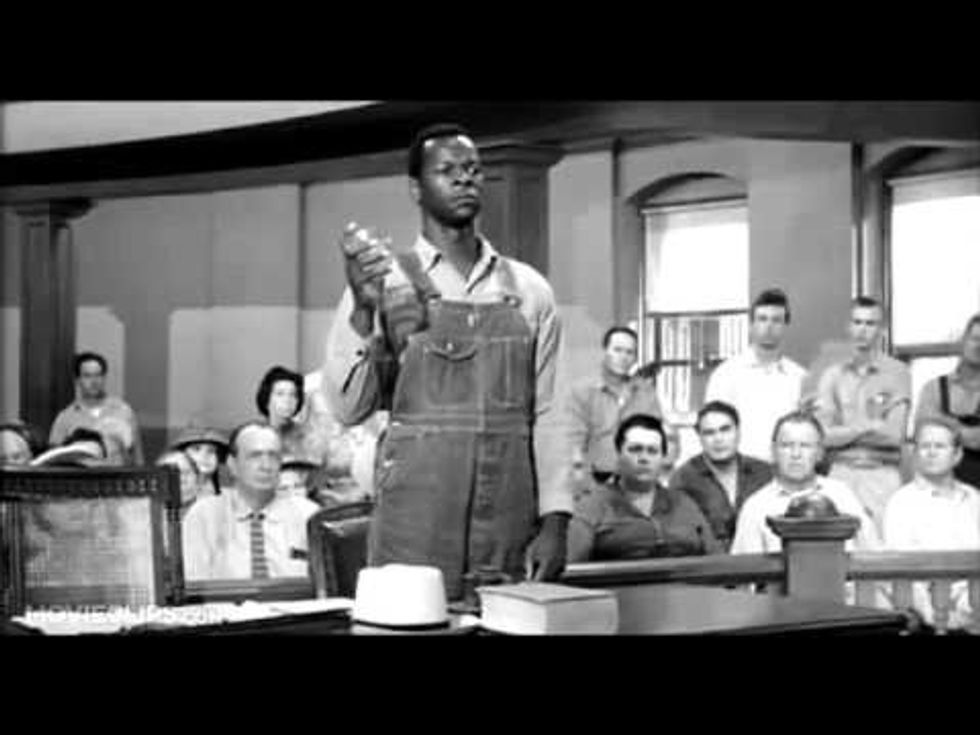
A collection of fine words, crafted to fit in my memory and alter my paradigm, grew roots in my mind. I love words, and Harper Lee included brilliant combinations of them in her dialogue and narrative. To Kill a Mockingbird is such a quotable book, and that makes it constantly relevant.
Some examples of wonderful quotes:
"Things are always better in the morning."
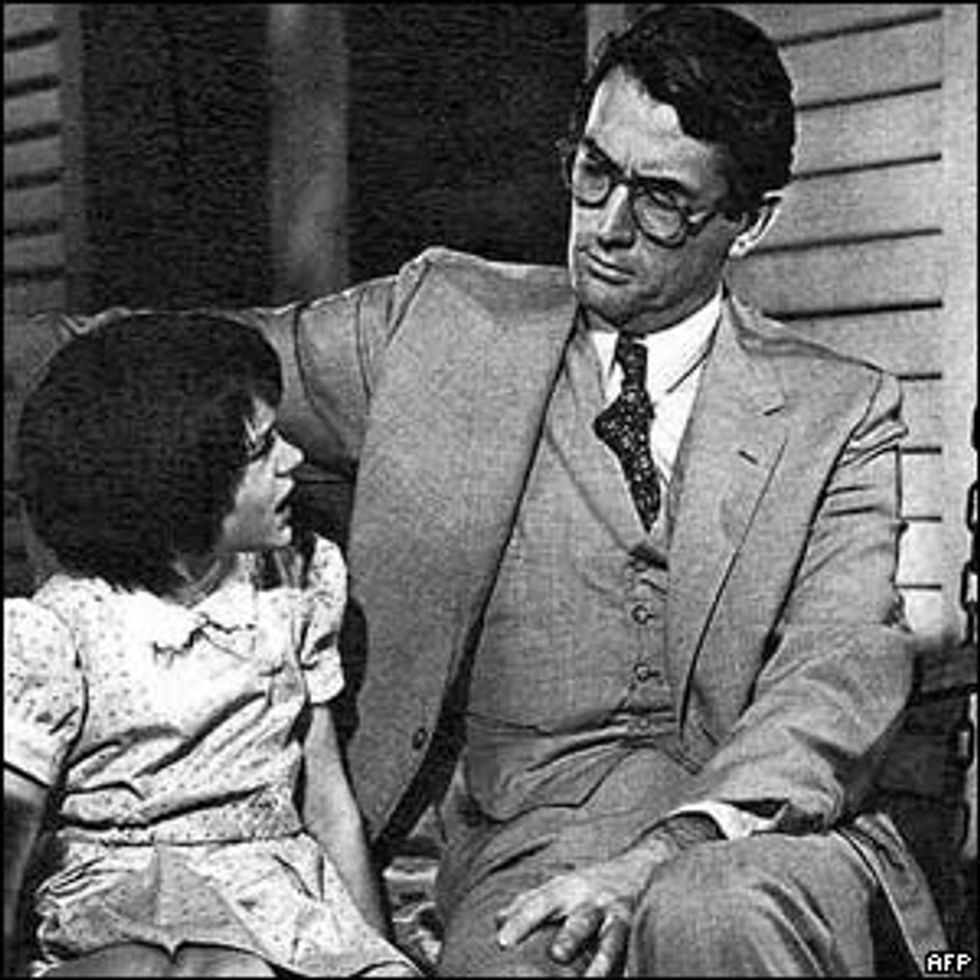
"Mockingbirds don't do one thing but make music for us to enjoy. They don't eat up people's gardens, don't nest in corncribs, they don't do one thing but sing their hearts out for us. That's why it's a sin to kill a mockingbird."
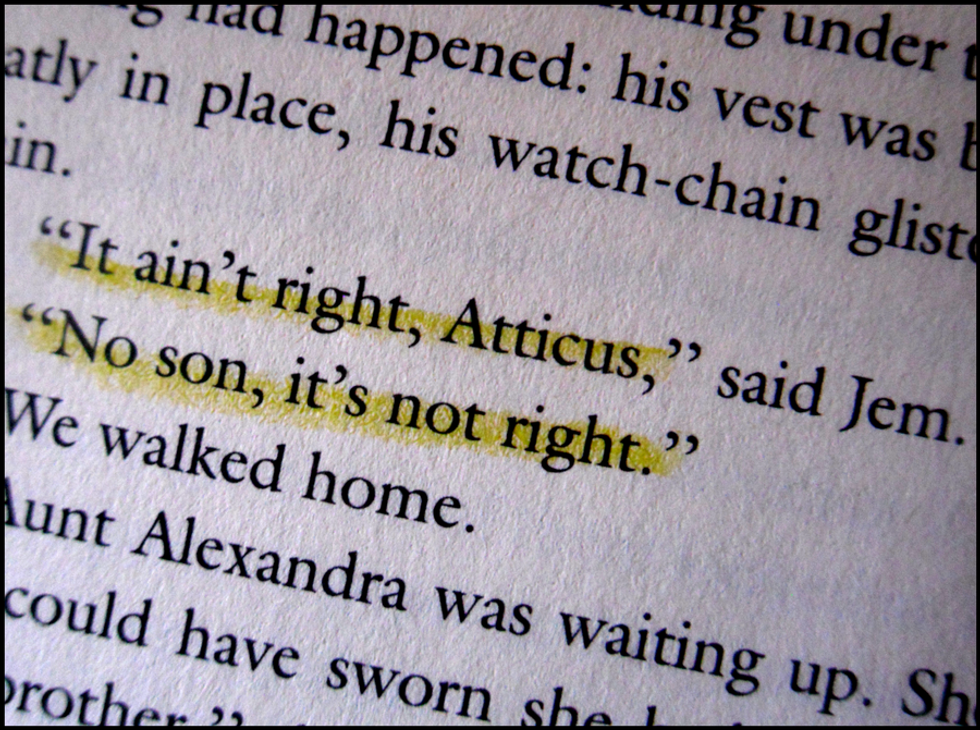
"I wanted you to see what real courage is, instead of the getting the idea that courage is a man with a gun in his hand. Real courage is when you know you're licked before you begin, but you begin anyway and see it through no matter what."
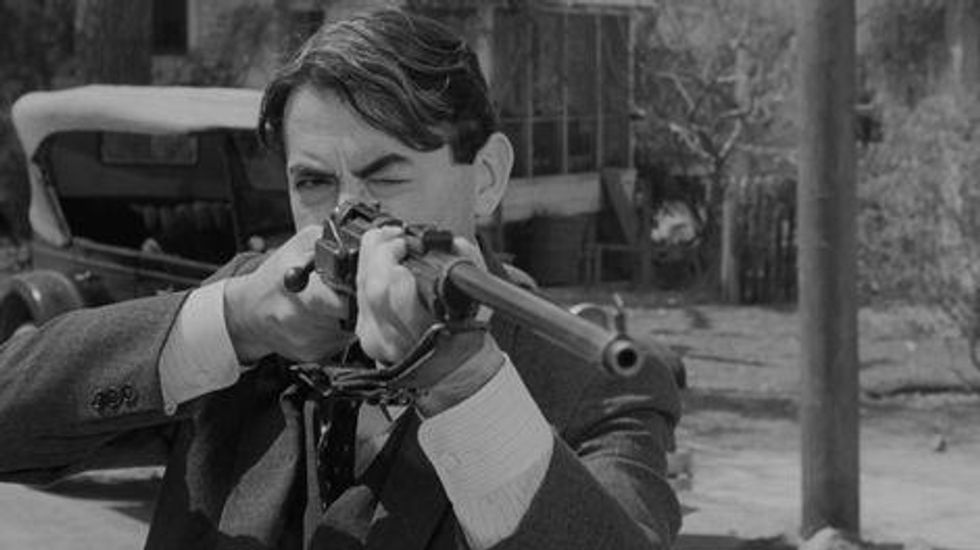
This character, this place, and this collection of words constitute the main picture of what Harper Lee's famous book means to me. For other readers, different parts may stand out, but I didn't hesitate for a moment when explaining what aspects of the work inspire me the most. Today, I admire the nonconformism that I see, the refusal to tepidly stand around and hum through the injustice, the bravery that Atticus Finch exemplified. Today, I study at college with the hope of going to law school and participating in our country's legal system. Today, when I read the news and see men with guns in their hands, I don't automatically call it courage. I'm an altered person... every morning is better.
Harper Lee, this is what you mean to me. If your words are alive, so are you. Thank you for your willingness to tackle relevant topics, and thank you for the talent that you used to share TKM with us. You died, but none of this literary eternity did.