Media depictions of feminists, up until recent years, were riddled with stereotypes. Feminist characters came in two varieties: wild, bra-burning hippies and short-haired, pantsuit-wearing academics. They were usually lesbians. They hated men, debated everything and were often the subject of a joke. Luckily, public respect for the movement has grown exponentially in the 21st century, which means that both popular interpretations and opinions are changing. Feminism isn’t just for the radicals anymore—it’s for everyone. I hate to steal my own thunder, but I’ll answer the leading question right now: what does a feminist look like? A feminist looks a whole lot like you.
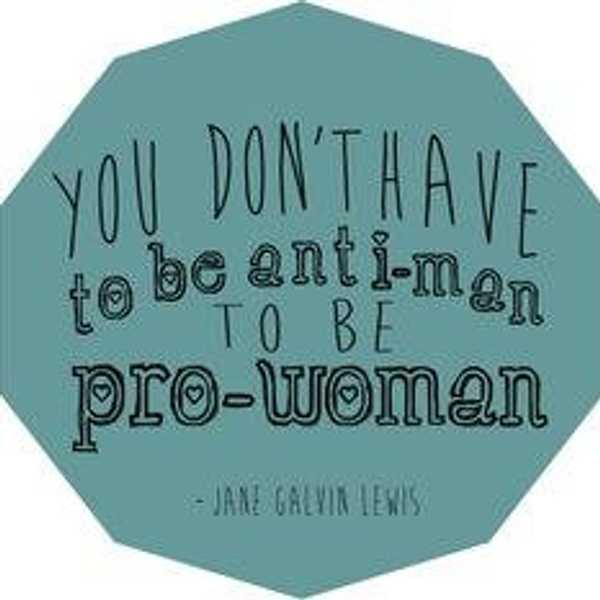
By now, most people are aware that the feminist mission statement isn’t to advance women and destroy men. Still, it feels necessary to begin here: feminism is about identifying the gender-based biases found in cultures throughout history and recognizing where they are hurtful. As it turns out, female traits, women of all ages, and activities associated with femininity have been traditionally regarded as inferior. The movement’s name stems from this. It pinpoints the group most affected by this particular brand of assumption and prejudice and uses the term as an umbrella for all problems caused by that mindset.
The name does not mean that it focuses on women, and does not imply that the philosophy is exclusively for or by women. This misconception is a common complaint of self-proclaimed “humanists,” or those who say they support a feminist ideology, but wish to stress the idea that people of all genders face these issues.
Please, don’t write off the movement because of its name. Consider what the title really means before insisting that it is exclusionary. There’s a reason it’s “feminism” and not “womanism” or something—it is about correcting the societal perception of femininity and how people of every gender and sex are treated because of it.
I understand that the name is not the only qualm of those who do not call themselves feminists. Most often, the other complaint is one which can be most nearly defined as a failure to identify. These people see the topics most often addressed by feminist discourse—abortion, rape, harassment, discrimination—and decide that these don’t apply to them. It’s easy to do this when living in a bubble.
When you are caught up in your own routine, which is free of these events, they’re practically invisible to you. To ignore the problems is certainly the easiest course of action, and probably the one that comes most naturally, but the responsibility of any informed person in the technological age is not to be ignorant. It is the duty of every single person to use the available channels to educate themselves. Ideally, this would be followed by an effort to make use of those same channels in order to educate others.
However, this is not an obligation. That is the step that separates activists from supporters, but feminism isn’t just about activism—it’s about changing the public mindset. Becoming a supporter is simple. It requires only that you acknowledge the existence of a problem. That’s it. By saying, “yes, these are real issues that affect real people,” you are supporting them. Maybe you are hesitant to call yourself a feminist, but it’s likely that you read that list of problems and would agree that they are very real and very hurtful. In fact, almost anyone would. Whatever your reservations may be about the movement itself, you cannot deny the existence of these issues and their innate ties to feminine roles. If this is the case: you, my friend, just might be a feminist.
That's all the label really means: you acknowledge the existence of these issues and recognize where they come from and who they hurt. A well-informed and understanding individual. Sound familiar?