Monday, Thursday, Saturday, and Sunday; the most significant commonality between these days is football. Out of seven days of the week, four are considered “football days”. During the other days, even if there are no football games play, football is in the news, on TV, and much more. Ever since football began in the late 1800s, it has taken off and intertwined itself into American society. Today, children start young. They play from a young age up until high school, and then if they are lucky, in college. Even high school games, though much less significant nationally, are still widely attended events on Friday nights for families and high school students that bring in revenue for the school.
American football is its own culture. Anthropologist Kenneth J. Guest defines culture as being “a system of knowledge, beliefs, patterns of behavior, artifacts, and institutions that are created, learned, and shared by a group of people”. Like most other cultures, football has all of these elements. It is estimated that one quarter of the U.S. population plays Fantasy Football, which has become a $5 billion business. Football has its own language and terminology, food, dress, traditions and customs, music, and so much more. Television shows such as “The League” and “Friday Night Lights” are popular shows based on football as well. It even has what can be considered its own holiday, the Super Bowl, the most watched televised show in America, with over 100 million viewers. Then there is the main football watching ritual, the tailgate. People wake up early, spend hours preparing, not only food and drinks, but also themselves. Decked out in body paint and team clothes, fanatical fans knock back beers and burgers and spend time with friends. And tailgating is before the game even starts. At the games there are more rounds of beer and burgers. All in all, in America, football is a whole day event.
Football is such a major part of American society that it literally would be impossible to separate it without a myriad of severe consequences for all aspects of society. It also has a major impact on the economy. Football has created an entirely new job market for players, coaches, trainers and doctors, advertisers, entrepreneurs, and that is barely scraping the surface. This is not even taking into account all of the revenue that football brings in. Tickets, season passes, and boxes go for hundreds of dollars. And then there is all the merchandise: socks, shirts, sweatshirts, hats, and that is just clothing. There are cups, flags, beer cozies, and so much more. Football has revolutionized the advertisement world as well. As an organization, the NFL generates approximately $10 billion annually in revenue. During the Super Bowl, which is a one-day event, companies pay tens of millions of dollars just to get several seconds to advertise their products. The football season spans months, and that means months of high school, college, and professional football games. Football games have hundreds of advertising opportunities, whether it be on the screens and at the concession stands, or the commercials people watching at home see, the promotional opportunities are endless.
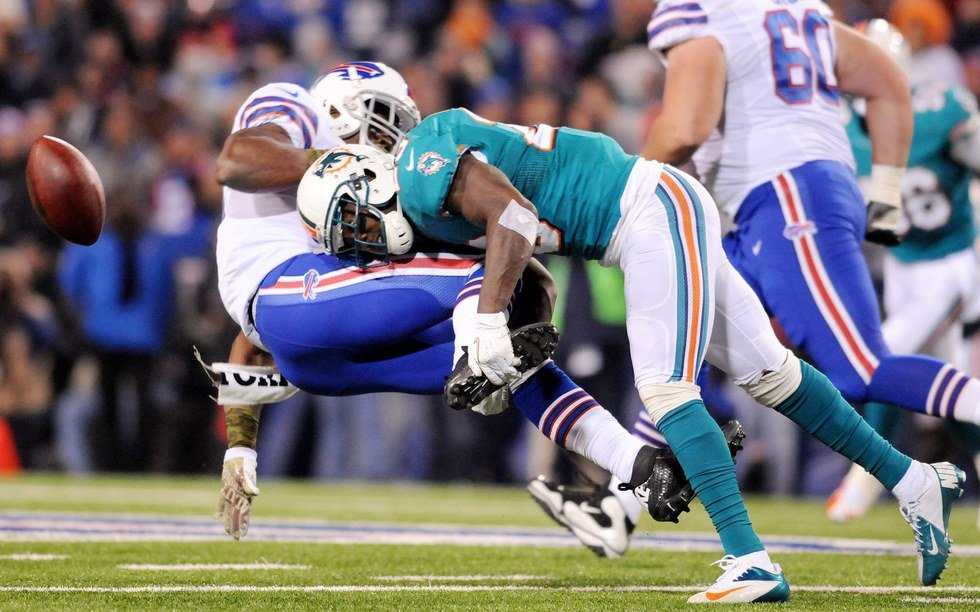
A key dynamic within society is that of culture and power. Football culture has a power over America. Every Sunday, millions of people sit down to watch grown men run into each other and physically harm each other just to get a ball and run to a certain end of the field. Studies have even shown the detrimental effects that football can have on health, the brain, and the body, however people continue to support and play it. Unlike most cultures, football is able to unite people while dividing them at the same time. Within the football culture are smaller cultures, fans for each team. Rivalries between teams cause divides between people in so many ways. In some extreme cases, wins and losses have resulted in violence and riots.
There is nothing rational about football, yet it is the most popular sport in America.