
Even if you can’t see it on the surface, West Virginia has been a state of great changes. We were founded on one of the greatest changes this country has ever seen. West Virginia, as well as the rest of the United States is going through a transitional period. We are slowly moving away from coal and coal jobs (or should I say, coal is moving away from us) and into the small industry of tourism. This change, as with any change, is a difficult one—one that is facing opposition and reluctance. Growing up and living in southern West Virginia where a majority of families depend on coal jobs, I see the reluctance and worry people have to the many coal mines being shut down and jobs being lost. These changes are hard, but they are happening. We must remind ourselves to embrace change and look to a better future—a better future for our economy, our future generations and our environment.
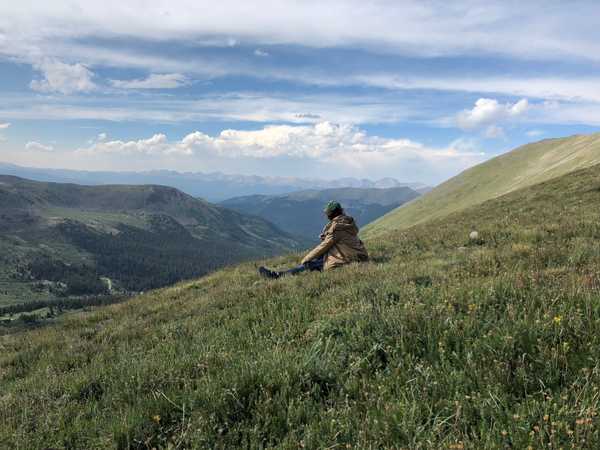
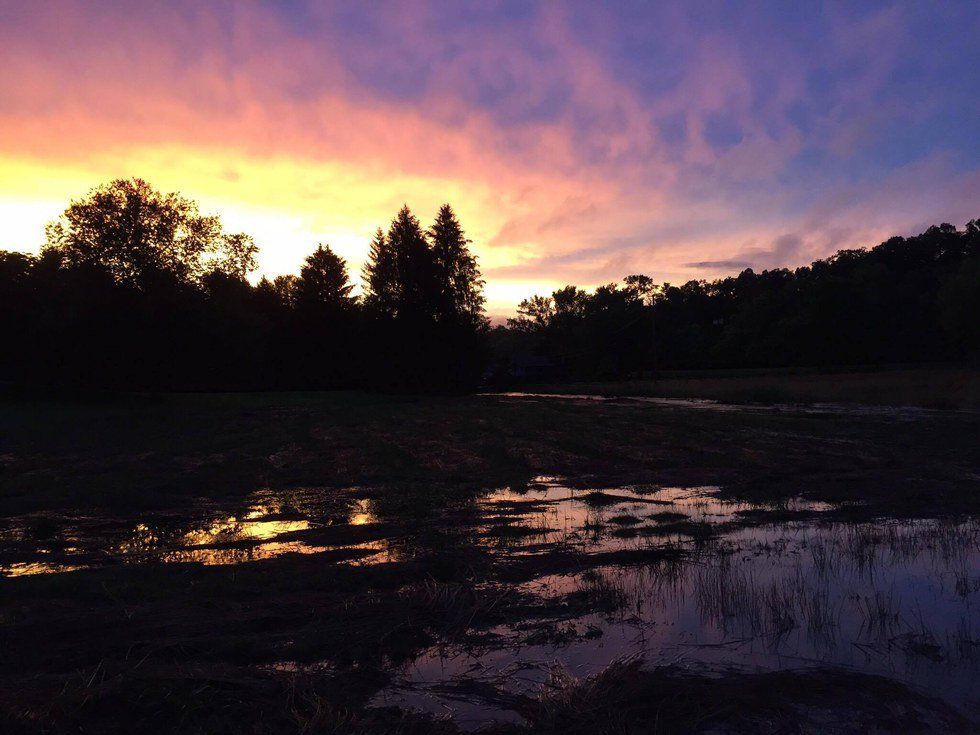
Wendell Berry has a wealth of information we can all use and apply to our lives—no matter if we live in the cities full of skyscrapers or the little towns deep in the Appalachian Mountains. Berry, an American poet, novelist, environmental activist and cultural critic, grew up in Henry County, Kentucky—an area not much different than our own. He experienced great changes in society and how society viewed government, war, and the environment, all the while still seeing the basic importance of family, faith, and the love we need to have for our earth. With all this change and hardship, we must remind ourselves to remain peaceful in the simple foundations of life. In his poem “The Peace of Wild Things,” Berry speaks of a time in which he felt despair and worry, but found the powerful peace of wild things—the everlasting calm of what cannot and should not be controlled or predicted.
When despair grows in me
and I wake in the middle of the night at the least sound
in fear of what my life and my children's lives may be,
I go and lie down where the wood drake
rests in his beauty on the water, and the great heron feeds.
I come into the peace of wild things
who do not tax their lives with forethought
of grief. I come into the presence of still water.
And I feel above me the day-blind stars
waiting for their light. For a time
I rest in the grace of the world, and am free (Berry 79).
Appreciation for our land and the miracles that are our lives are essential to enduring change. Our mountains, rivers, farmlands—all are humbling sources from which we can derive our pride and strength. When lifestyles, jobs, loved ones, and our sense of stability are being shaken or lost, we can find comfort in the fact that the wild does not fret over tomorrow. Tomorrow comes and goes. If we can revere the earth for its calm and chaos, we can understand the task at hand: living and loving as well as we can.
It may be that when we no longer know what to do
we have come to our real work,
and that when we no longer know which way to go
we have come to our real journey.
The mind that is not baffled is not employed.
The impeded stream is the one that sings (Berry, “The Real Work”).
Opportunities are plentiful in times of change. Through West Virginia’s struggle, we can embrace the opportunity to become stronger. We can create stronger local economies, stronger bonds with our neighbors and loved ones, stronger desires to preserve, protect, and use our land with reverence and care. So as we look to the future, whatever it may hold, let us remember our past and our surroundings. Our histories and the earth are both much larger than we can comprehend. We can find peace in the not knowing and in the wilds of our lives. We can use the small things we have been given to adapt and create positive change, or we can focus on the short-lived despairs that change brings.
.
Works Cited
Berry, Wendell. New Collected Poems. New York: Counterpoint, 2012. eBook Collection (EBSCOhost). Web. 23 Sept. 2016.