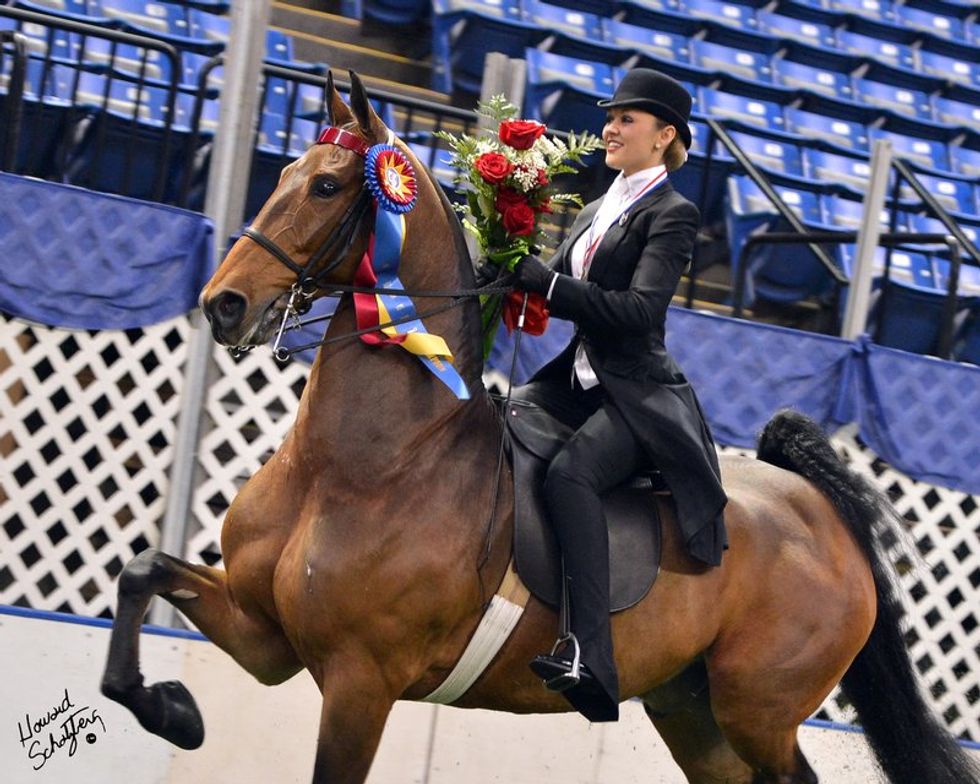
The Summer of 2016 a bill was introduced that brought light for many uninformed Americans about a long standing problem within the equine industry. The bill sought to put an end to soring practices of "Big Lick" trainers that have been prevalent for decades. If you don't know what that is, don't worry, you are not alone. The "Big Lick" is what's known among equestrians as the exaggerated movement in Tennessee Walking Horse (TWH) "Performance" classes that is causing by large "stacks", heavy shoes with several inches of padding and bands across the hoof to hold them on, "soring", which is the use of chemicals to cause pain to the leg to convince the horse to further exaggerate their gait, and they often show with "action devices", chains around the lower leg, on. While the Horse Protection Act of 1970, the National Walking Horse Association (NWHA), and the United States Equestrian Federation (USEF) sought the end of these practices, the Big Lick is still popular in TWH shows today. Tennessee Walking Horses are either shown flat-shod (natural foot with no weight shoes and pads allowed) or in performance classes, shown below, with stacked shoes, in either Western or English, Saddle Seat, tack. While there aren't many equestrians who will condone the practices of the Big Lick, the bill, passed by the Obama Administration at the end of his term and later trumped by an executive action during the first days of our forty-fifth president's term, that sought to be the be all end all law in practices of the TWH, would have also hurt many innocent equestrians by not allowing them any pads, even therapeutic, or chemicals, including fly spray, on any horse.
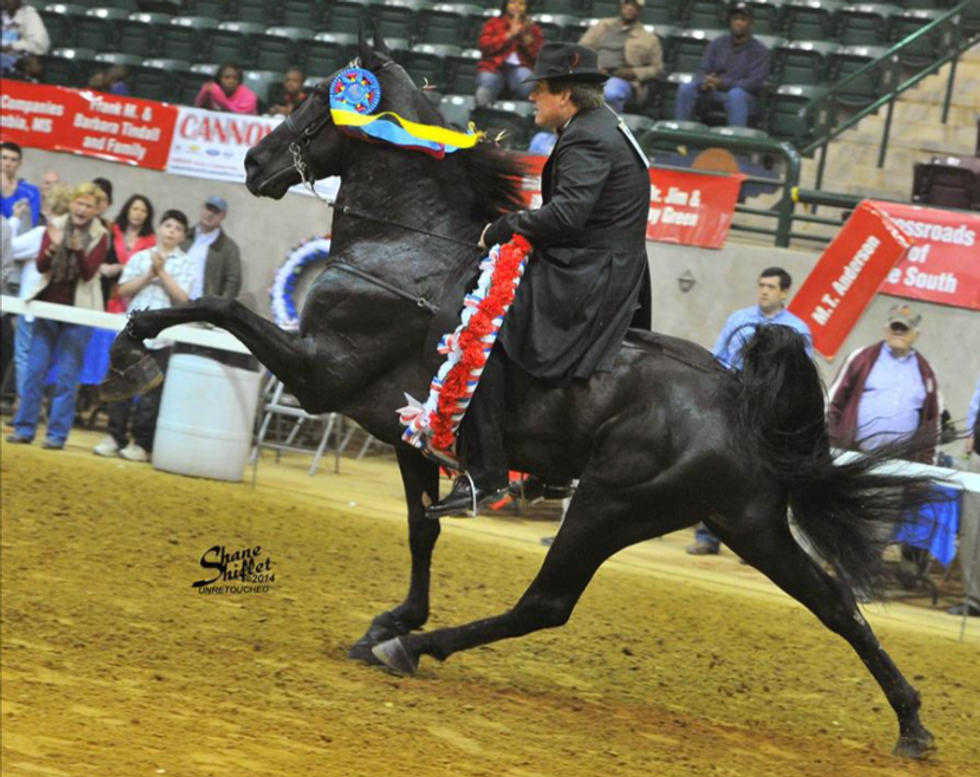
Who is innocent? The world of trotting horses, or the Morgan, Saddlebred, and Arabian horse breeds. These breeds are all governed by associations that do not allow the use of stacks, but also regulate the amount of weight and length of foot allowed on a horse. They aren't allowed to show with any action devices on and they are praised on being as naturally talented as possible. These breeds compete, again, in Western and English tack. Many of these breeds are often mistaken for being "abused" because they too can show in Saddle Seat tack. Fortunately, the tack is where the similarities end.
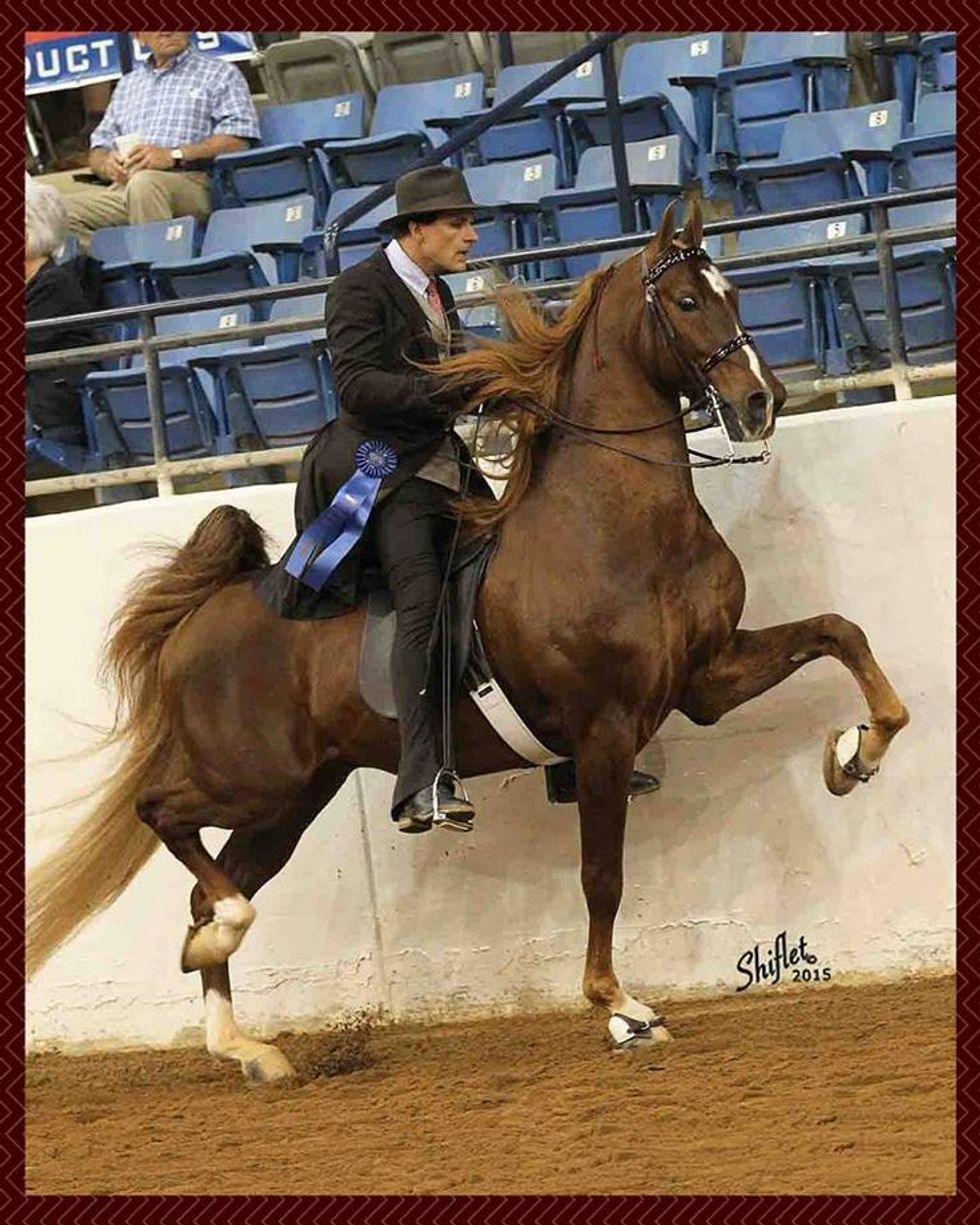
Yes, most Saddle Seat horses wear a pad on their shoes, however they are regulated as to how much they can weight and how long the overall foot can be. If a horse has on a shoe that is too heavy or if upon measuring the hoof, which all champion and reserve champion horses must have done immediately upon exiting the arena, they can be stripped of all awards won in classes in which these violations occurred. While many trainers will employ the use of action devices, chains are light and do not cause pain or pinch and bungees that are strapped between the two front legs rotate freely around the coffin bone and break if too much force is applied. These devices are used just like a human athlete uses weights and resistance bands, to build muscle. Finally, trainers of these horses will not want them to be sored, because a sore horse would not be able to perform the gaits asked of them properly and would be extremely unhappy. Those two violations of judging standards would result in the horse being penalized in placing rather than rewarded.
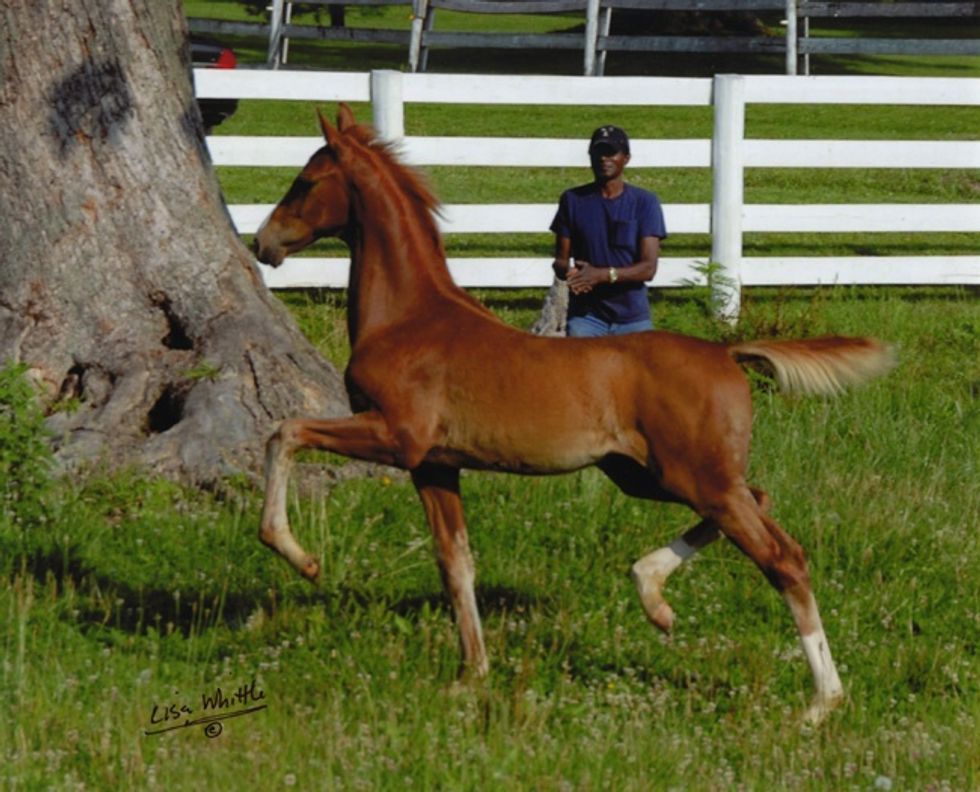
Along with being lumped together with "abusing" horses like the Big Lick does, many trotting breeds often fight the opinion that Saddle Seat disciplines are "cruel" because horses aren't meant to hold their heads up and march like they do. If you inspect the foal above you'll notice him doing just that, naturally, without any training. Morgans, Arabians, and Saddlebreds are bred to do this naturally. They want to do this and conformationally, they should. Forcing them into the lower frames that Warmbloods, Thoroughbreds, Stock Horses, and so on are bred to hold would actually be abuse. Meanwhile, many may think that stock horses holding their heads low isn't fair to the horse, however it is just as natural to them as a trotting horse holding its head up.
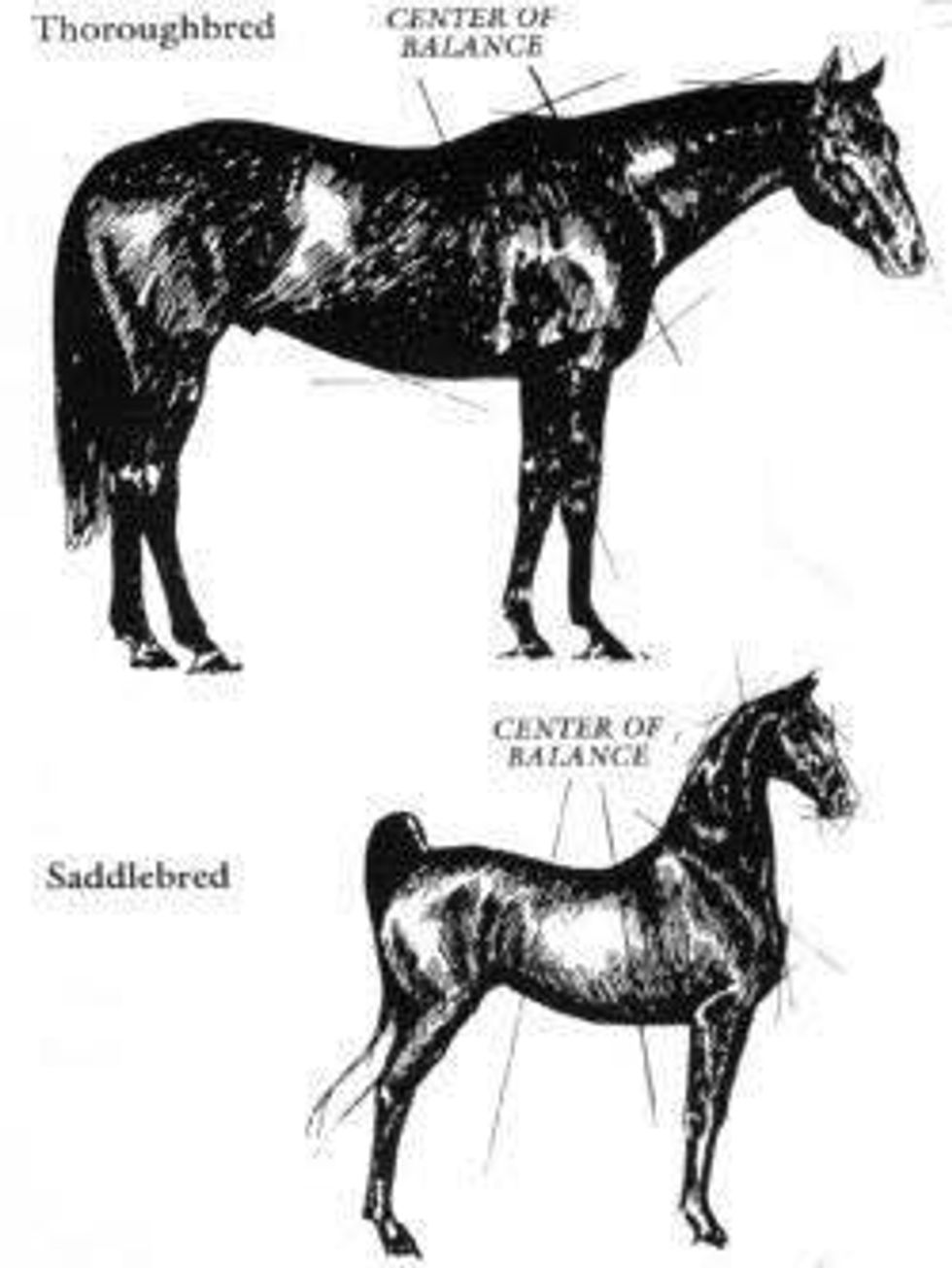
Take a second, horse enthusiasts of the world, to learn about what each breed has to offer. A good horse is a good horse no matter how they're bred or what they do. Even Tennessee Walkers are great trail and endurance horses. Just because someone may not understand a discipline, does not mean it's abusive.