
Black Bodies Have Been Degraded Throughout American History, Way Before Trayvon Martin | The Odyssey Online
Start writing a post
Politics and Activism

Black Bodies Have Been Degraded Throughout American History, Way Before Trayvon Martin

African Americans today are left asking 'why, still?'

103
Black Bodies Have Been Degraded Throughout American History, Way Before Trayvon Martin
Tumblr

On Wednesday, Jan. 27, 2016, The National Center for Bioethics held a seminar in the John A. Kenney Hall Auditorium on a very important but often disparaged issue dealing with the perception and portrayal of the black body in US media. Dr. Joan Harrell tapped into history to show the relevance of this topic today. She then had an open discussion with faculty, staff, and students of Tuskegee University.

Dr. Harrell is a researcher with many areas of interest. Not only is she the Senior Associate Editor of the National Center for Bioethics in Research and Health Care, but she is also the Strategic External Public Health Communications Ethics Consultant.

The seminar was geared at preparing students to conduct ethical research which involves questioning the constantly changing issues of the world, raising awareness of the importance of bioethics and research ethics in the broader aspect of ethics and, finally, pointing to the necessity of the Bioethics Center in all fields of study.

Sara Baartman, Henrietta Lacks and “The Nameless Father of Slavery” were all placed on the table for discussion.

Dr. Harrell opened with tales of subjected black bodies in history and directly correlated them to the subjection of black bodies in the present day.

Sara Baartman (pictured) was a young African woman presumably around the age of 23 whose body image was distorted to insinuate that she was a lesser being. Nonetheless, she could speak four languages: English, Dutch, French and her native Afrikaans. She was socially aware of the issues that Africans faced and she desired to speak against these issue. Baartman was tricked into believing that if she traveled to England, she would be able to speak out for her people and hopefully ignite a change. Upon her arrival, however, Baartman was stripped of her clothes and paraded in circuses and zoos. Even after death, Baartman's body was mutilated and displayed in museums.

Henrietta Lacks was a cancer patient who, without her knowledge, had her cells harvested. These cells eventually became known as the Hela Immortal Cell Line and led to many medical breakthroughs in cancer research. At the time, her family was not notified. Only recently were they compensated.
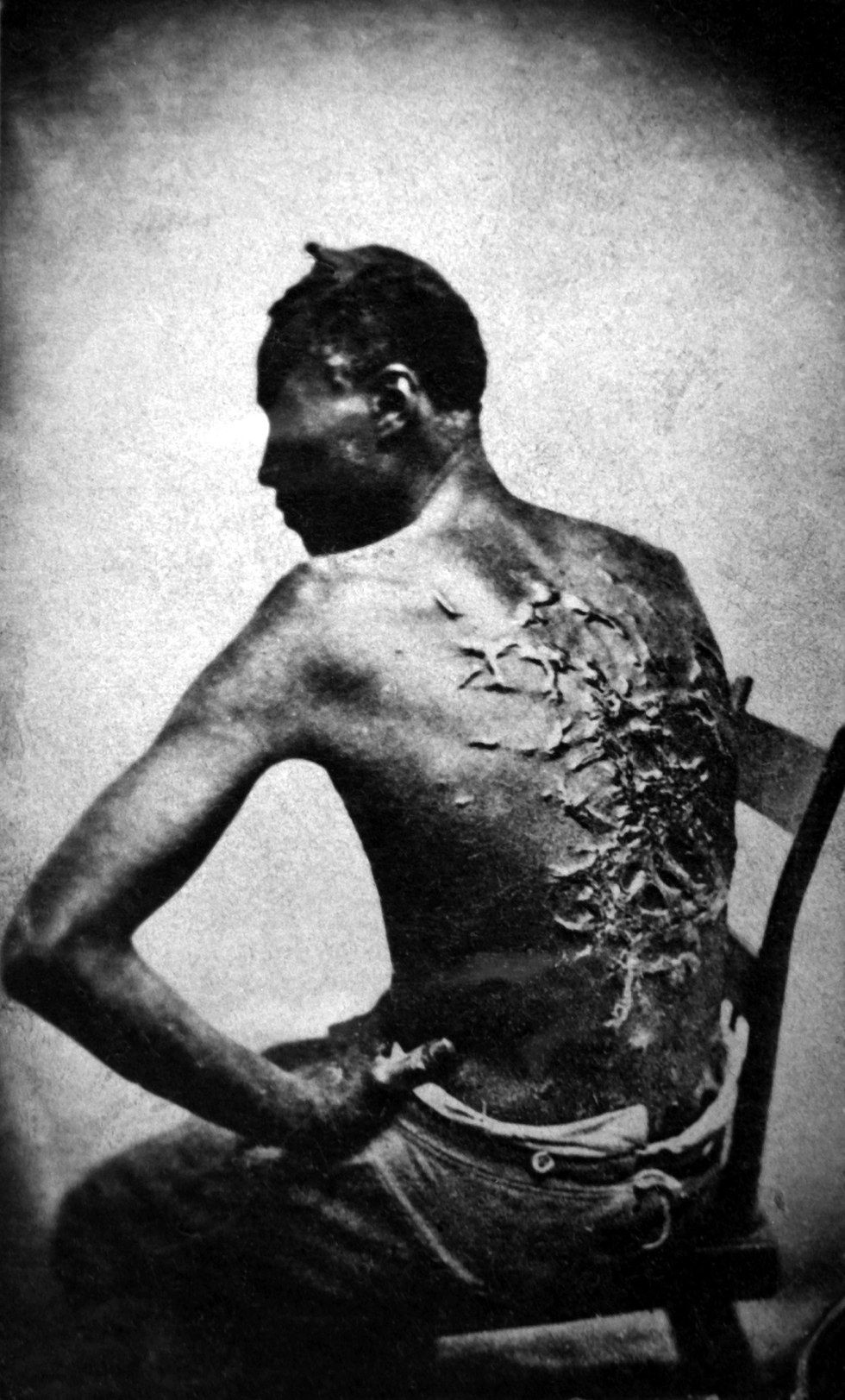
“So, what do all these people have in common?” Dr. Harrell queried. “What do Sandra Bland, Trayvon Martin, Sara Baartman, Henrietta Lacks have in common?” Their black bodies, melanin, and mannerisms were all degraded.

As the seminar drew to an end, one of the professors in the audience asked, “Why?” This is a question many African Americans may have: why is the black body targeted in the media and scrutinized by legislation and the “superior” race?

The audience reacted with allegations of instilling fear or maintaining a sense of superiority for personal gain. The consensus, however, was that it all comes down to a simple concept of hierarchy. Someone must come out on top, and the African American population has caught the backlash of being the class on the bottom.

Nonetheless, knowledge is power. The awareness of the segregation and degradation that is affecting the African-American community is the first step toward change. The African American community is exerting energy trying to fight internally whilst the true culprits are disguised: our government, our justice system, our media, our prison system and so on.


Report this Content
This article has not been reviewed by Odyssey HQ and solely reflects the ideas and opinions of the creator.
Entertainment

Every Girl Needs To Listen To 'She Used To Be Mine' By Sara Bareilles

These powerful lyrics remind us how much good is inside each of us and that sometimes we are too blinded by our imperfections to see the other side of the coin, to see all of that good.

566715
Every Girl Needs To Listen To 'She Used To Be Mine' By Sara Bareilles

The song was sent to me late in the middle of the night. I was still awake enough to plug in my headphones and listen to it immediately. I always did this when my best friend sent me songs, never wasting a moment. She had sent a message with this one too, telling me it reminded her so much of both of us and what we have each been through in the past couple of months.

Keep Reading...Show less
Zodiac wheel with signs and symbols surrounding a central sun against a starry sky.

What's your sign? It's one of the first questions some of us are asked when approached by someone in a bar, at a party or even when having lunch with some of our friends. Astrology, for centuries, has been one of the largest phenomenons out there. There's a reason why many magazines and newspapers have a horoscope page, and there's also a reason why almost every bookstore or library has a section dedicated completely to astrology. Many of us could just be curious about why some of us act differently than others and whom we will get along with best, and others may just want to see if their sign does, in fact, match their personality.

Keep Reading...Show less
Entertainment

20 Song Lyrics To Put A Spring Into Your Instagram Captions

"On an island in the sun, We'll be playing and having fun"

453655
Person in front of neon musical instruments; glowing red and white lights.
Photo by Spencer Imbrock on Unsplash

Whenever I post a picture to Instagram, it takes me so long to come up with a caption. I want to be funny, clever, cute and direct all at the same time. It can be frustrating! So I just look for some online. I really like to find a song lyric that goes with my picture, I just feel like it gives the picture a certain vibe.

Here's a list of song lyrics that can go with any picture you want to post!

Keep Reading...Show less
Chalk drawing of scales weighing "good" and "bad" on a blackboard.
WP content

Being a good person does not depend on your religion or status in life, your race or skin color, political views or culture. It depends on how good you treat others.

We are all born to do something great. Whether that be to grow up and become a doctor and save the lives of thousands of people, run a marathon, win the Noble Peace Prize, or be the greatest mother or father for your own future children one day. Regardless, we are all born with a purpose. But in between birth and death lies a path that life paves for us; a path that we must fill with something that gives our lives meaning.

Keep Reading...Show less

Subscribe to Our Newsletter

Facebook Comments











