
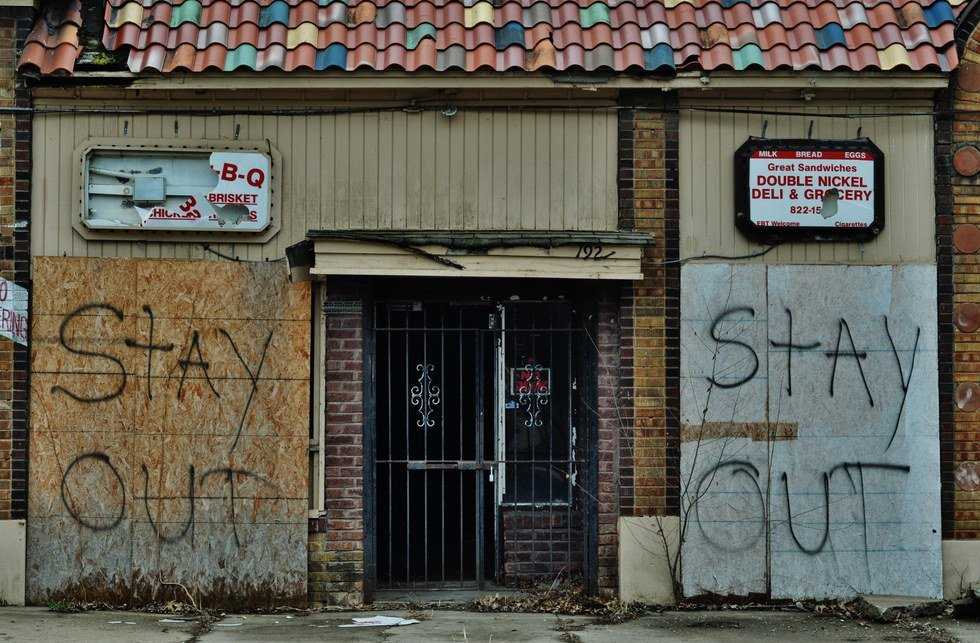
I met with a group of ten high schoolers not too long ago to discuss racism. These high schoolers were from all over the greater Kansas City area, some from the wealthier parts of the city and others from the less wealthy parts. Earlier that day, they had taken a bus tour of Kansas City to experience and see the uneven dispersion of wealth throughout the areas they traveled through. After that, they finalized their tour at Rockhurst University which sits on Troost Avenue, one of the most well-known areas for the evident examples of the uneven dispersion of wealth. (To understand what I am talking about here, please visit this blog.
The 10 high schoolers were part of a larger group that had been split up in a randomized way. This was done to maximize various personal perspectives based upon the various public schools they attended. We had a series of questions that we were supposed to discuss, and a lot of the questions prompted the students to discuss their own individual stories about the division of wealth that they had directly experienced.
Perhaps one of the most interesting points discussed in the group was the idea of treating other humans like humans. A lot of the high schoolers that I worked with shared their own experiences regarding being treated like lesser beings for reasons like race or wealth. This prompted the wheels in my head to begin turning. I began to consider how oftentimes our society treats many people as “less than.” It happens a lot, especially in regards to outward appearances or abilities.
In our lives, there will be many opportunities to experience people of various backgrounds. Simply leaving the house to go to the grocery store can provide us with that experience, as well as things like traveling, volunteering, school, daily life, and the like. It is inevitable that we will encounter people of different races, wealth, abilities, and orientations. Encounters with the human race can provide us with insight into aspects of the world previously unbeknownst to our own experiences.
While encountering people of various backgrounds, the beautiful and inevitable facet of our society, it is important to never consider anyone as “less than.” Our humanity equalizes us, and our experiences define us. No one person is less of a being than the other because of any aspect of their life that they have been thrust into or experienced. Discrimination is not a thing of the past, but rather an ongoing issue whose origins reside in desires for superiority. It is in how we choose to orient our minds that we can make a difference, consciously choosing to defy the desire to hold ourselves as superior in some regards, which can make us treat other people as unequal or less than. We are called by our own human race to treat those we encounter in our daily lives with respect and as equal humans while acknowledging different experiences.