This past week on June 8, the world celebrated World Oceans Day. In case you are not up to speed, this day is to celebrate our oceans and raise awareness on the most critical and recent issues. The theme this year happens to be “Healthy Oceans, Healthy Planets.” We, as humans, have a major responsibility of caring for our planet and right now we are doing a poor job of it. When people hear the word "ocean" they think of sharks and the beach, but people should think about clean energy, reducing pollution, conservation, etc. Everything that we do on earth creates a domino effect. This means throwing away your plastic bags and so animals don't eat them, starve and die. This means not using body washes that contain tiny plastic microbeads that pollute the waterways and deter our dental health. This also means knowing the difference between composting, trash and recycling. Believe it or not, our planet is hurting and it's all our fault. There are many ways that you can help. You can start locally with your community, or go straight to the top.
There is an organization called the IUCN (International Union for Conservation of Nature) and they basically go out and count wildlife and then place them in a specific category. The categories range from least concern and go all the way to extinct. Many animals such as the gorilla that was the center of the news in the incident at the Cincinnati Zoo are endangered and their numbers are continually decreasing. These numbers put in perspective how our actions affect the world around us. Some people may say that there are other issues to worry about, and this is one of them to be honest. Take a stand against poaching and illegal overfishing. Stand with pioneers who are for the conservation of our forests and oceans. Another way to keep balance is not illegally keeping wild animals in your home and then releasing them into the wild. Most likely they become an invasive species. There is a difference between a goldfish and an alligator.
Even our actions at the dinner table affect our ocean. The Monterey Bay Aquarium has an application called Seafood Watch. This app makes it simple for seafood consumers to easily distinguish the difference between sustainable and non-sustainable fish. Its gives you lists of what you can and can't eat. When you go out to eat at a restaurant and your appetite encourages you to choose seafood, open the app and if your item that you chose is not on the list of consumption pretend the restaurant is out of it and move on, or their choice to sell that specific item is not sustainable and is harming the ecosystem.
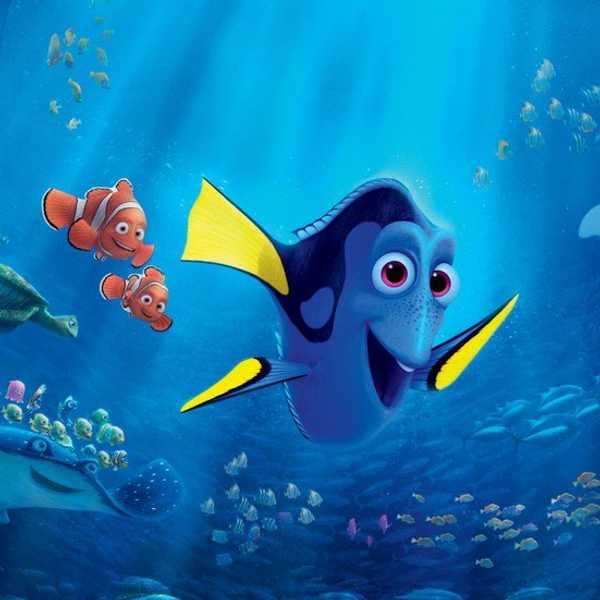
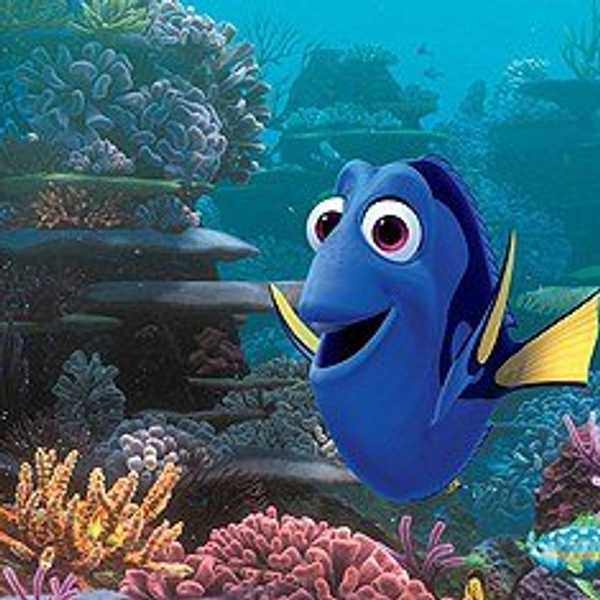
The last point here is all about the upcoming release of Disney's Finding Dory. Disney's 2003 release of "Finding Nemo" concerned scientists in a way that no one knew unless you aware of this sort of thing. Clownfish are not terrible household pets, but there was a spike in demand after the movie was released and people learned how to breed the fish. I'm not against the movie, but realize that there may not be anymore Dorys if people don't leave the surgeonfish on the screen or in the ocean where it belongs. The blue tangs can grow large, and can't easily be kept or bred in captivity. So if your average American household attempts to adopt one for their home for their children, it may not go as well as planned and it prompts people to go out and fish for Dory. If enough isn't done about this, there may not be anymore Dorys. If you would like to help raise awareness about this, you can go to this link.
I could go on and on about this, but all of this being said, educate yourself and so you aren't in the dark and care for your planet. A little goes a long way. If everyone took a stand, we could be unstoppable which honestly could go very wrong, but in this case it would go very well. Just like in voting, everyone thinks that their votes don't count or that they don't matter, but the vote doesn't get counted if they don't vote.