


Everyone buys groceries, but not everyone knows how to buy groceries in a way that is friendly to the environment. Here are five easy ways to ensure that your next trip to the grocery store doesn't hurt our planet.
1. Bring Your Own Bag (BYOB)-
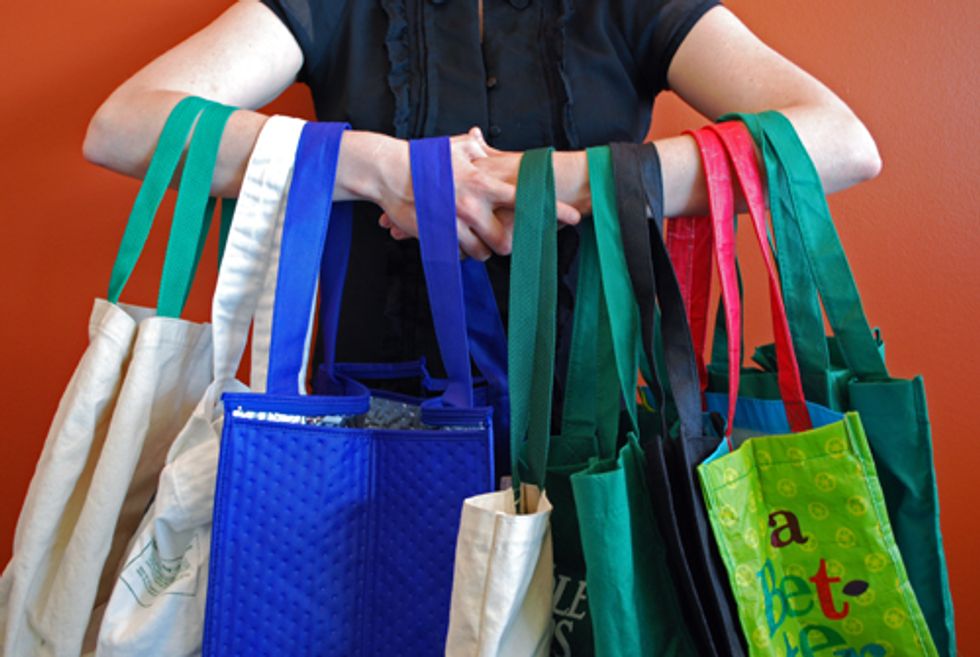
Americans bring home over 100 billion single-use plastic bags each year and many of these end up in the ocean or landfills. If they do make it into the recycling bin, the process of recycling them is complex and often not worth the hassle. While paper bags are often thought of as environmentally superior to plastic bags, this is not always the case. The process of acquiring the raw materials needed to create paper bags uses a lot of energy, and it's difficult for them to be properly recycled. Therefore, your best option is to bring your own reusable bag to the store. If you forget to bring your own reusable bag, you should ask for a paper bag and then properly compost it (as long as the bag isn't glossy or heavily inked). Don't be afraid to call your local grocery store and ask them about their bags!
2. Buy Products With Better Packaging-

There are many products out there who have better-average-packaging, including those with minimal packaging, compostable packaging, recyclable packaging, or biodegradable packaging. A quick Google search will pull up the best products in each category of packaging. Choose one type of packaging, or choose them all!
3. Choose the Best Store-
An ideal grocery store is close to you, which reduces carbon emissions, and is a company that values the environment. A quick look through their website or phone call to a customer service representative can help you decide which store is best. Some things to keep an eye out for include an emphasis on recyclable materials, reducing food waste, local sourcing, and many others.
4. Buy Organic-

Organic foods are produced without using many chemicals and substances that are harmful to your health and the environment. However, organic foods tend to be more expensive than their non-organic counterparts, making it difficult to eat organic on a budget. Instead of switching all of your groceries to organic, start with a single food or single food group. Check out this list of fruits and vegetables that the Environmental Working Group recommends buying organic, based off of USDA pesticide data.
5. Add More Whole Foods to Your List-
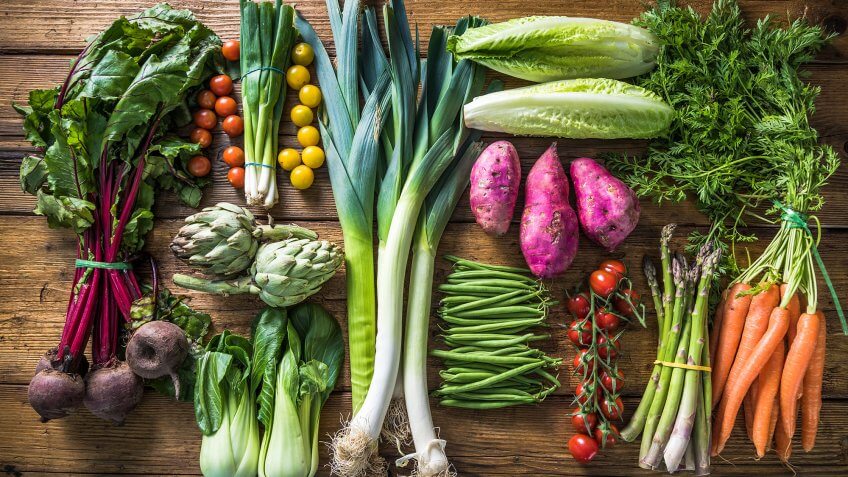
A whole food is "a food that has not gone through a lengthy manufacturing process" , meaning that they are unprocessed and do not contain and unhealthy additives or modifiers. Buying foods that have not been manufacturers helps cut down on energy use and detrimental emissions associated with food manufacturing. Examples of whole foods include beans, eggs, fresh fruits, fresh vegetables, nuts, and many more. Check out this handy guide to whole foods and where to find them.
The next time you head out to get groceries, think about the way your choices could impact the environment. If we all strive towards making more eco-friendly choices, we can help our planet (and out bodies!) become healthier and happier.