
Star Wars VII: The Force Awakens was quite possibly the most anticipated film of 2015. When Disney bought the rights to Star Wars and cast JJ Abrams as the director of the new sequel, fans set their expectations as high as possible. Episode VII had the opportunity to be a clean slate on the end of a finished movie series, and I believe it accomplished that - sort of. Episode VII did in fact set up a Star Wars universe where Abrams’ ideas reigned free, but did it sacrifice too much of what it meant to be a Star Wars movie? Here is why I believe that it did:
1. Episode VII lacked the presence of a strong villain.
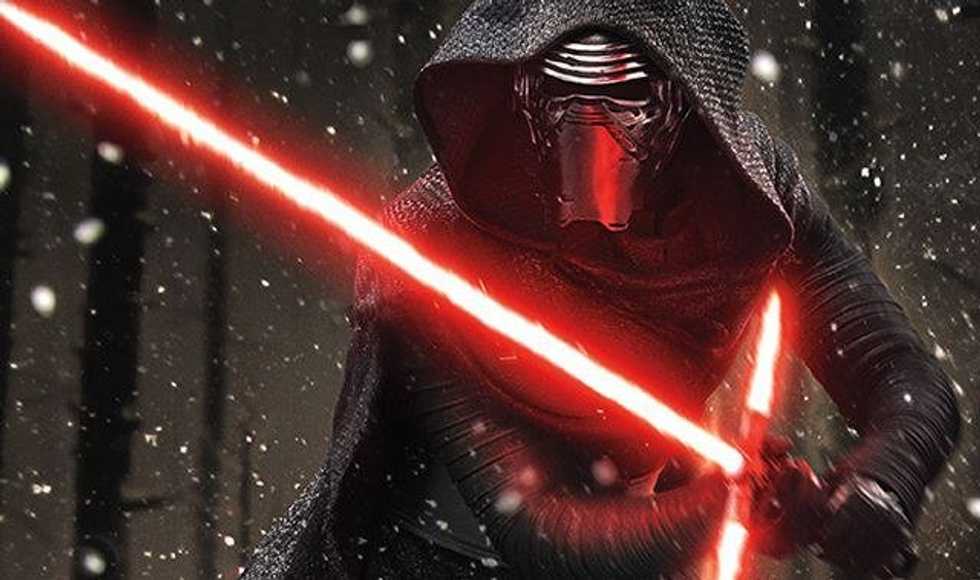
Kylo Ren is introduced to us within the first ten minutes of the movie. His first appearance is on the planet of Jakku as he is seen raiding a settlement associated with the resistance. His initial presence largely resembles that of Darth Vader. He immediately makes the call to kill all of the survivors of the raid, a move which classifies him as a ruthless villain. In addition, he displays a fine-tuned command over the force through his ability to stop a blaster bolt and keep it suspended in one location for an extended amount of time. As the movie progresses, it becomes known that Ren possesses the mauled helmet of Darth Vader which he frequently meditates over for strength from the dark side. In addition, Ren possesses the ability to know the thoughts of others, something that was defined as a rare attribute by Darth Sidious in the prequel trilogy.
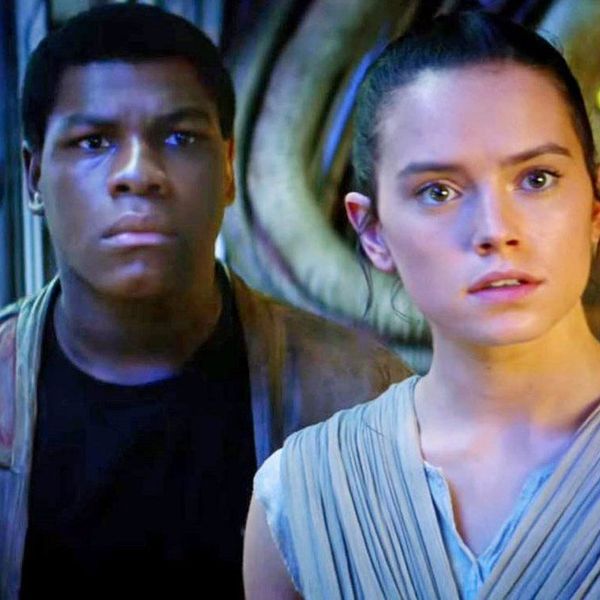
Episode VII does a fantastic job of developing Ren as a strong movie villain... until about halfway through the movie. As Ren is interrogating Rey, she asks him to take off his helmet. From that moment on, Ren loses any of his previously expressed traits of cruelty or strength and becomes the whiniest villain to appear in a Star Wars movie. He crumbles at the hands of Rey when he tries to interrogate her and then whines to his master about it. Despite the fact that he could use the force to sense Han’s presence when he stepped onto the planet, he whines about not being able to find his missing prisoner. His biggest offense comes from his choice to neglect wearing the helmet for the rest of the movie, giving the sense that there was no apparent reason for it in the first place.
2. The plot CLOSELY resembled an alternate universe-version of Episode IV.
Abrams did a decent job at making this detail vague at first glance. Here is just how closely this movie resembled Episode IV:
- Both movies begin with a raid on an important rebel location.
- Both times, the villain is looking for an object that is hugely important to both sides.
- Both times, a majorly important rebel figure is kidnapped from the initial raid.
- Both times, the protagonist is introduced as an orphan living on a desert planet.
- Both times, the protagonist is thrust thrust into the dark side vs. light side conflict by the giving of a lightsaber by an older, wiser mentor figure.
- The Death Star III is introduced.
- In both movies, the Death Star is destroyed by a fleet of X-Wings
Abrams was given a clean slate to start out with and chose to parallel the original trilogy. This is respectable to a point, but he somewhat failed to make the plot of the movie his own.
Overall, I am still hopeful for the remainder of the series. Episodes VIII and IX still have the opportunity to branch further from the basis of the old trilogy, and I believe that they will. However, there is still time for J. J. to become Jar Jar Abrams, so the last thing he will want to do is lose energy and fizzle out on the last movies.

















