Sitting around.
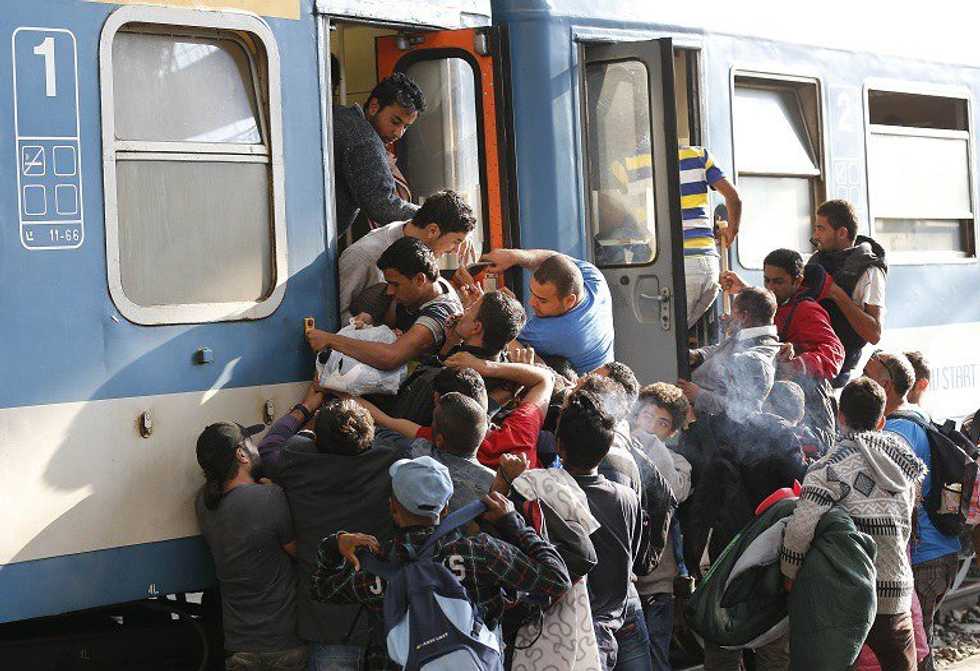
Dozens of them. Outside, inside, on benches hallways and platforms. Just sitting and waiting.
My friend Evelin had mentioned we would see migrants at the Budapest train station, but walking around the station last week, I had no idea I was at the epicenter of a humanitarian crisis shaking Europe's ethical foundations, nor did I appreciate that my train ticket to Budapest was a privilege.
The refugee crisis has reached a tipping point where it can no longer be ignored. Millions of people have fled the Middle East and Northern Africa due to the turmoil in their homelands. Places in Syria, where 4 million people have fled in 4 years, are closer to resembling post-apocalyptic movie scenes than inhabitable cities.
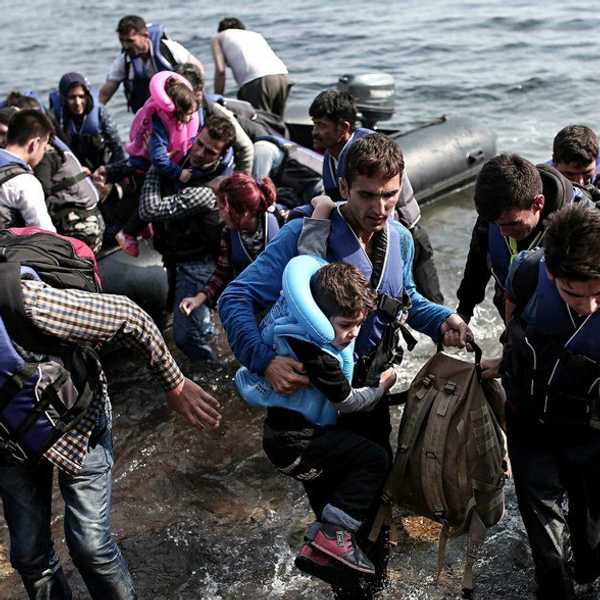
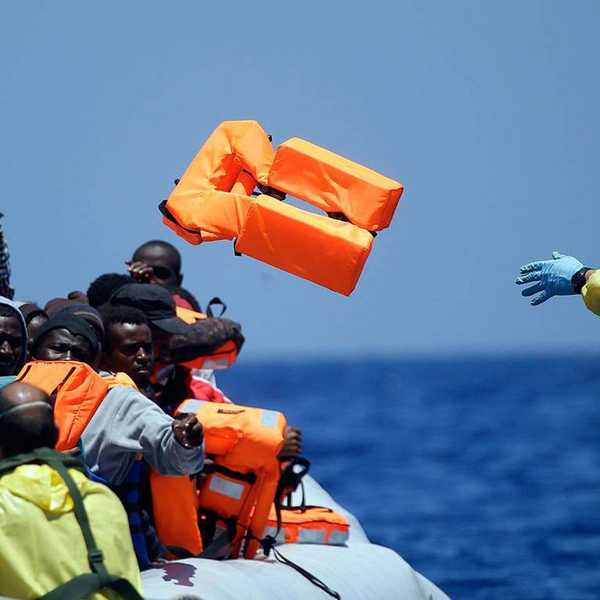
After surviving years of violence, destruction, and toiling in refugee camps, thousands of migrants are making the dangerous trip to Europe to begin a new life. Many of them die on the way, including Aylan Kurdi, a three-year-old boy who drowned along with his mother and brother when his family was trying to make it to Europe. A photo of his dead body went viral and finally brought the crisis to the forefront of American news. Suddenly the Budapest train station, where Hungary's xenophobic government was blocking migrants from boarding trains, had the attention of the world.
Walking around trying to find my train platform, I was stepping over people in the hallways. One man who looked about 30 was feeding his baby daughter with a bottle, and staring at his baby girl he had what might be the happiest smile I have ever seen in my entire life. As I write this I can't get his smile out of my head.
It occurred to me that I was surrounded by people who had escaped unimaginable horrors. The people I was walking around had experienced ISIS, civil war, and chemical weapons. They had probably spent months or possibly years in refugee camps and paid whatever savings they had to take rickety boats across the sea that frequently capsize and drown everyone onboard. And now they were sitting in this station in Budapest with nowhere to go in a country that didn't want them.
The underlying issues that have caused people to flee the Middle East are extremely complicated and variously interconnected. Civil war, foreign military intervention, economic exploitation, poverty, lack of education, radical extremism, and a thousand other foundational issues make it hard to know what is cause and what is effect in these regions.
But what we do know is that millions of people desperately need our help. They are not migrants. They are parents, brothers, and sisters. They are children. They are human beings, and they have been through hell.
Countries across Europe, and across the globe, need to open their doors for these people, but it doesn't stop with immigration paperwork. Citizens, on an individual level, must display empathy and offer compassion to a group of people who have gotten so little of it. We must accept that we have a moral responsibility to help these refugees not just form their own communities, but become a part of our own. If not, then we are failing our countries, our humanity, and ourselves.