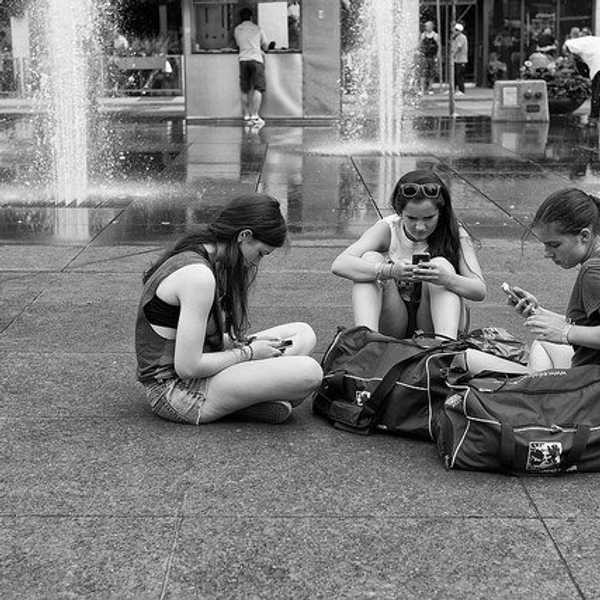

We now live in an age where the number of Internet friends we have can exceed the number of friends we have in real life. In turn, phone calls and letters/postcards are starting to become one with the past. What does this mean for our generation and onwards in terms of meeting new people and keeping in contact with them?
According to Kyle Chayka on The New Republic, "[o]nline traffic in the United States increased by more than 1,000 percent between 1999 and 2003." With the rise of Facebook and Tumblr came Reddit and Imgur, attracting a wide variety of users. People are more accustomed to the fact that they are able to befriend others without having to step outside of their comfort zones. In fact, we as a society are more welcoming of the idea.
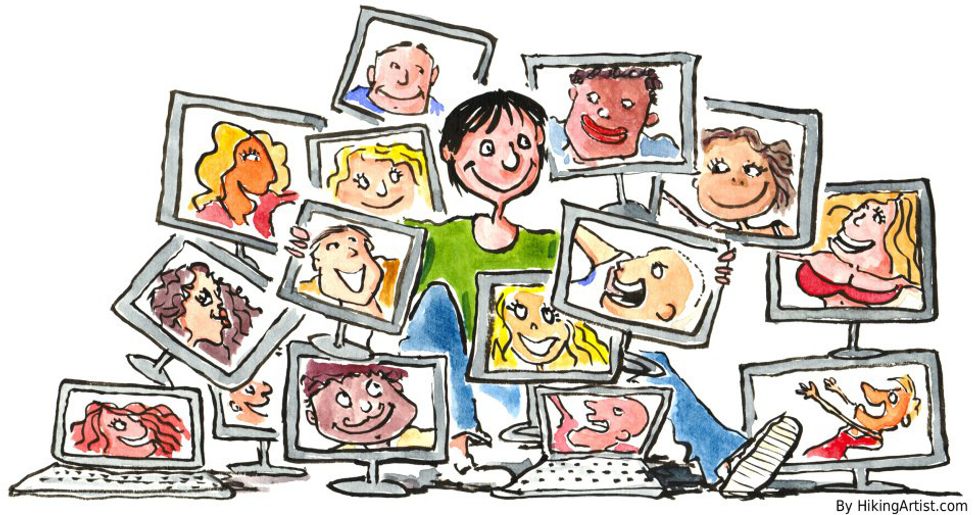
I can resonate with that sentiment, though; unless I'm with family or close friends, I rarely take initiative in conversation. In some cases, aside from a few nods and polite smiles, I don't speak at all. But, it's easier for me to talk through a screen because I can edit and revise what I want to say before I type. Not to mention, I can project a certain persona and recreate myself into the kind of person I want to be.
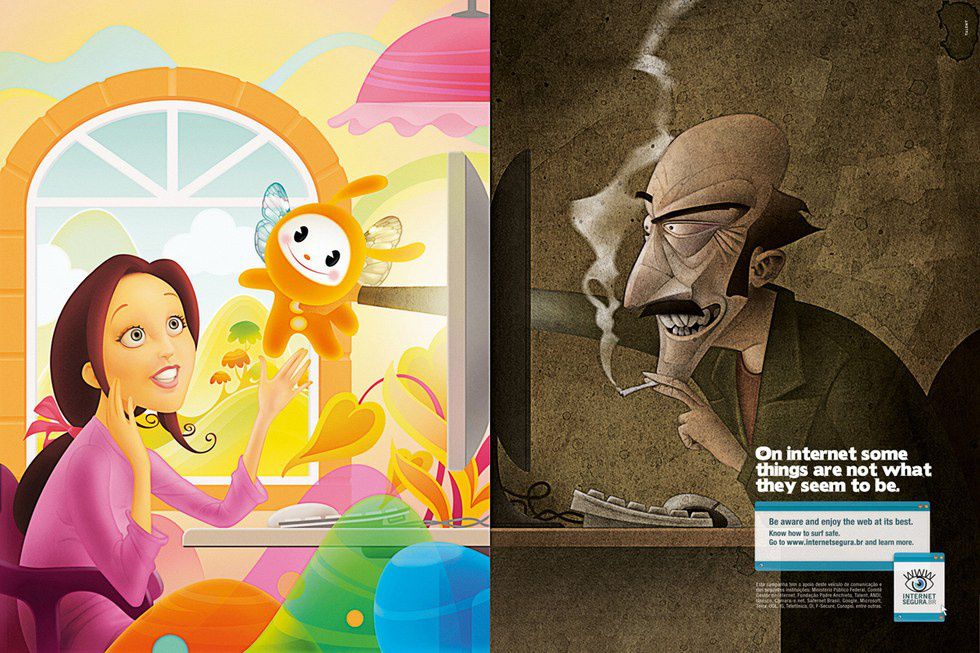
On the same token, what you see isn't always what you get. There's the threat of being "catfished," or being deceived/lead on by someone on any social network who claims to be someone/something they're not (Urban Dictionary). As for online-turned-offline encounters, Tia Ghose of LiveScience opens up her article with this fact:
"Nearly a third of teenage girls have met people offline after becoming online friends... In many cases[,] the identity of that online character was not fully confirmed before the teens set up a real-life meet-up.
In addition, one in 10 experienced some form of exploitation — ranging from creepy sexual advances to rape — during that offline interaction."
Of course, this doesn't mean that everyone you meet through the World Wide Web is out to abuse you, but the fact that such altercations occur says something. The childhood phrase "Stranger Danger" comes to mind, which brings about the problem of ambiguity on the Internet.
And, let's be honest, the way we now view the people we interact with is different from previous decades. We're consumed with creating a certain image of ourselves that we see our friends and followers as an audience rather than as companions. The "Like," "♥" and reblog buttons are emblems of the instant and oh-so-momentary gratification we crave. I know I'm guilty of waiting for these signs of approval from my peers.
So, what now? Well, we should continue educating people about the "bad side of the Internet" and take precautionary measures wherever and whenever necessary. Turn our growing egoisms down a notch, too. That is to say, make others aware of the potential dangers of virtual friendship, but don't diminish its value. The world we now live in is not only a world of speech, but also of technology; you can no longer ignore the prominence of online connection. "Real" friends and "virtual" friends have become a vital part of our everyday lives, so it's all about stability between the two. Who's to say that we can't live happily with both?