As violence slowly becomes a mainstay in current events, I constantly find conversations with family members and friends drifting to this topic. Studying abroad in Cairo, Egypt has made these conversations even more frequent. Before making the yearlong move to Egypt, one of the common reactions I received focused around questions of safety. Growing up in and around San Bernardino, California for almost my entire life before Vassar College became an unswerving component when discussing with my fellow community members and thinking about my study abroad plans, not to mention any tentative post-grad ideas.
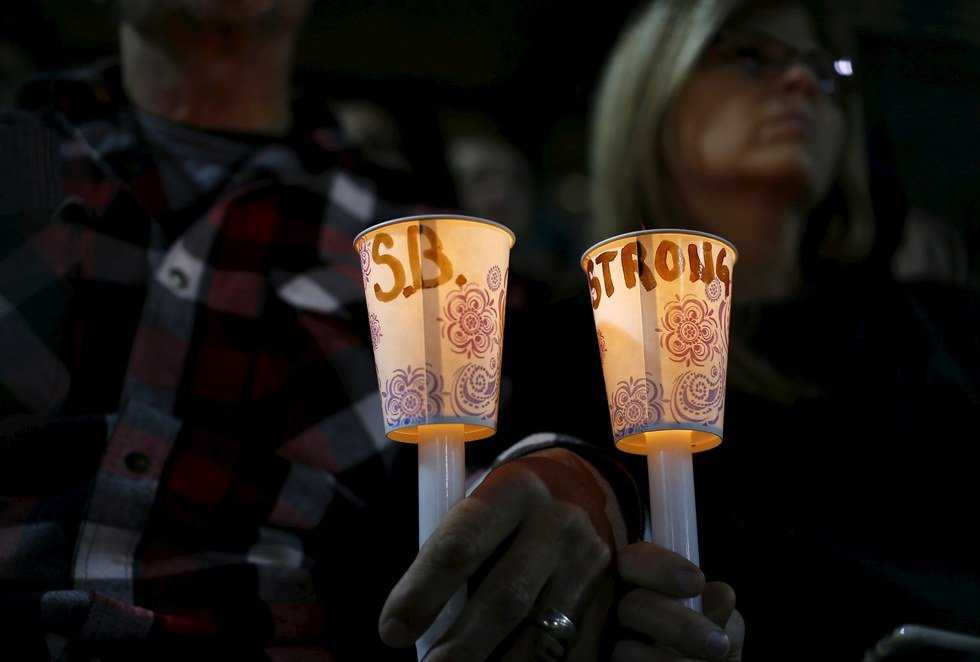
In a community reeling from a recent massacre in December 2015, I distinctly felt the presence of questions and comments, such as “Are you scared for your safety?” “Look what has happened in San Bernardino. Why do you want to go there?” This is not to say I didn’t receive the same or similar questions from other sources. However, the reactions from my home community members uniquely affected me. Was I scared to go to Cairo? Yes, of course, but not in terms of security. The massacre had challenged my sense of security already. Back at home that December I had felt the pain, the anger, and the fear surrounding me. I had witnessed the, at times, discriminatory backlash. I simultaneously felt shaken and responsible. I felt responsible for my community’s reaction; why couldn’t everyone see past their fear and not use a religion, an ethnicity, an identity, and other descriptors as a scapegoat? As a student focusing my studies on the Middle East and the Arabic language, I felt some of their pain directed at me; people would commend my educational pursuits as a means to “stop these people,” or berate me for “fraternizing with terrorists.” On some level, I subconsciously felt guilty for pursuing my passion and attempting to eradicate cultural discrimination whilst knowing I was not entirely immune myself. I struggled grappling with my own pain, privilege, and necessary areas of improvement concerning my thoughts and actions. Such is the result of years upon years of institutional and systematic violence brought to the surface by a massacre.
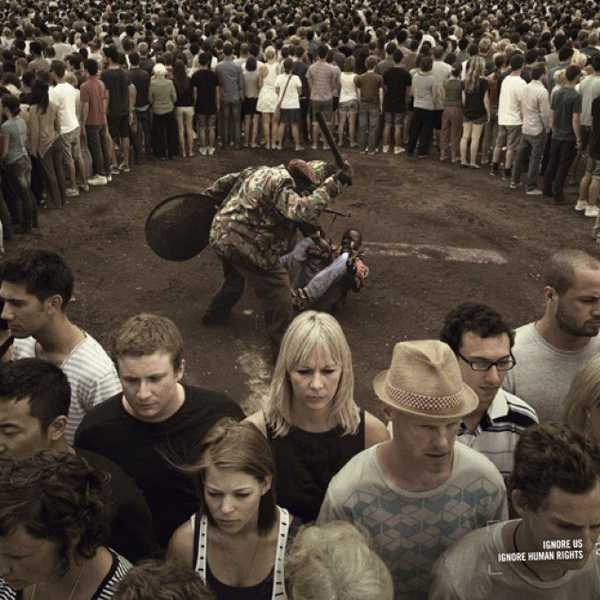
With every new conversation rehashing the same topic of safety, I have begun to realize that I do not feel distinctly unsafe in Cairo because I feel vulnerable everywhere. Any place in the world, whether international or domestic, could be the site of a new massacre. Likewise, every place I have encountered employs some violence in their policies, culture, and society. Violence does not necessarily mean blood and ruins; violence manifests itself in inequality, privilege, and prejudice. Every place I explore, physically and mentally, I tread with caution knowing that violence lives in everything. No one region is more violent than the other if the definition of violence is expanded to include the employment of different forms and manifestations. We may all have to constantly walk through the blood and the tears of yet another massacre, but we also have to navigate systematic oppression. Quite frankly, I do not know which insights more fear. The world needs a new way to connect and conceptualize the relationship between cultures greater than sporadic warfare and extremism on both ends. These are the tools of the past, relics of monolingual worldviews born of hate and convenience. So, yes I am studying abroad in Cairo. But no, I do not feel more vulnerable here as compared to the United States. This might be a consequence of the massacre, or it might be part and parcel of evaluating the violence in every corner of the world. In conclusion, I am ready for new conversation topics: have we made progress with eradicating violence in the past and are regressing now? Has violence always happened on this scale and in this manner? How are we going to eradicate the violence each of us benefits from or enact?