

Besides updates surrounding the 2016 Presidential campaign, today's media is littered with updates surrounding violence in the United States and the world. This is true for Latin America.
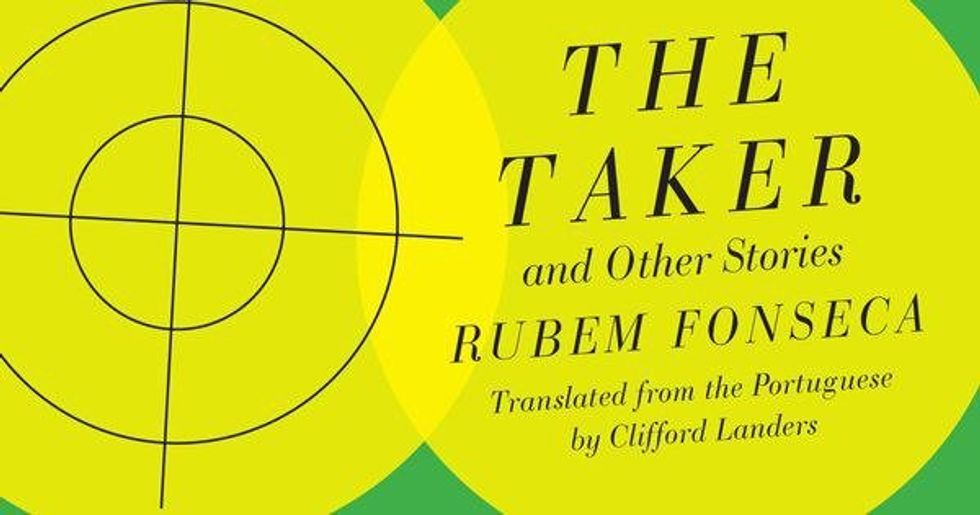
Considering the novel I recently read in class called, “The Taker and Other Stories" by Rubem Fonseca. It seems obvious that while it may not be the only source I draw upon, Latin America suffers from different forms of violence. One major source of violence in Latin America is that of class differences. That is to say that the impoverished people often feel especially discriminated against in society leading them to believe that those in power, more than often the wealthy, owe them something. The Taker and Other Stories, specifically the short stories of Happy New Year and The Other of this novel, do well to represent the problems that lead to violence associated with struggles between classes, mainly stemming from the gaps of wealth between the wealthy and the poor.
The short story, Happy New Year, helps demonstrate how class differences lead to tension and inevitably to violence. Poorer men decide to murder and rob the wealthier people for several reasons that all stem from the common theme of dissatisfaction among classes. These men choose to rob and murder because they feel that the wealthier people owe them something more than money or material things. They feel that they are owed attention, and because they will not be given attention on an average day and they decide that in order to obtain it, they must take it. This desire to take attention and decision to act on it leads to the violent deaths of several wealthy and seemingly innocent people celebrating the New Year. One particularly blatant example of a demonstration of violence in the hopes for attention is shown by the robbers’ desire to see someone stick to the wall: “Watch how this one sticks.” It would be one thing to just kill the wealthy people but the men opt to kill them in more of an execution style which commands more attention and is more violent.
Similar to Happy New Year, The Other, demonstrates the tensions between the upper and lower classes. The ‘other’ represents the poor who live hard, difficult lives each day and the executive represents the typical professional upper class man. Before the executive had a heart problem, he never looked at the everyday struggles around him on the street. It isn’t until his own life is in danger that he begins to notice others who struggle on the street. That is when he begins to give money to the poor boy every day. I don’t think that in this case the poor feels entitled to attention but he surely looks to command emotional attention which the wealthy executive mistakes for a desire to receive a monetary gift. The boy says, “You’re the only one I have” but the executive is fed up with helping him by giving him what he thinks he wants: money. The executive decides to kill the boy and his act of violence shows that violence is not only for the poor. The violence cycles between the wealthy and the poor.
These two examples have helped to reaffirm the idea that a vast amount of violence in Latin America is spurred on by differences among classes, specifically between the wealthy and those in poverty. In a very simplified manner, the lower class feels that the upper class owes them something and react against the upper class who will either deny them attention by ignoring them or respond with violence. These differences lead to a seemingly never ending cycle of hatred between the wealthy and the poor.
















