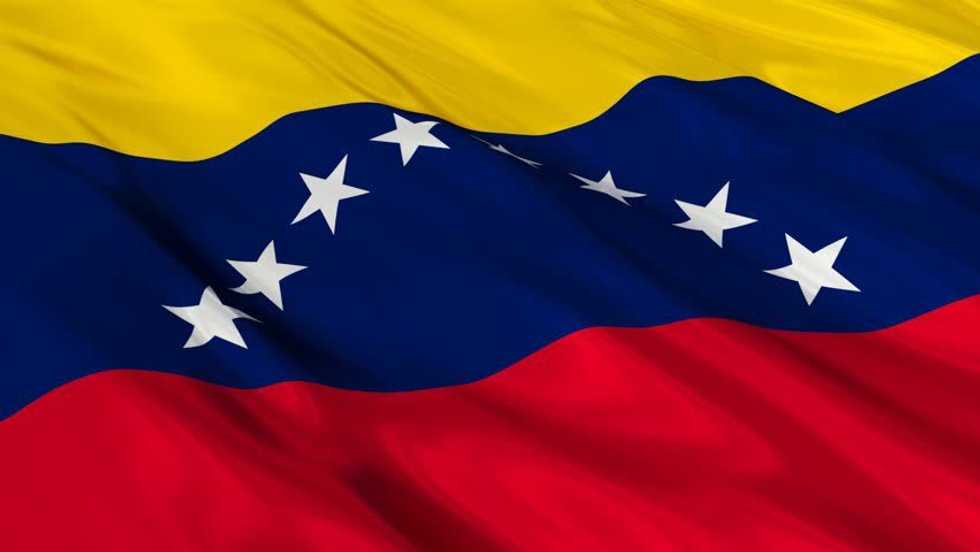
Two Venezuelan police officers were killed on March 29 of this year at a protest in the city of San Cristobal. Protests in Venezuela began in 2014 in response to various issues in the country. Despite the fact that Venezuela is often described as “oil rich”, there remains a dramatic economic crisis in the nation. Many Venezuelans have been unable to receive sufficient food, toilet paper, and other basic necessities, a problem which has only gotten worse since the death of former President Hugo Chávez. However, in addition to the economic reasons, many of the protesters have been galvanized by Venezuela’s incredibly high rates of violence. The United Nations recently rated Venezuela the second most dangerous country in the world based on its murder rate.
Leopoldo López and Maria Corina Machado mainly lead the movement, although the protests began with college students in response to the attempted rape of a university student in San Cristobal. This attempted rape served as an example of the violence in the nation and evidence that the citizens are not sufficiently protected. The ensuing peaceful student protests spread virally across the nation, complemented by the work of López and Machado to create the situation as it is at present. The movement largely antagonizes current Venezuelan President Nicolás Maduro, criticizing his government as unjust and corrupt. Sources indicate that the already bad economic situation in Venezuela became all the worse when Maduro took over the presidency.
The protests began to take a violent turn when various demonstrators started to build barricades, blocking off streets, and setting many of these barricades on fire. In some instances, protesters have allegedly attacked law enforcement with Molotov cocktails and attempted to burn down government buildings. Human rights organizations have claimed that the violent protests are very much in the minority, and that, while the violent actions should not be condoned, Venezuelans working to change their government should be encouraged rather than treated with suspicion and fear. With the recent murders at the hands of protesters, however, this opinion may be challenged.
Given that the civil war in Syria arose out of initially peaceful protests, whenever protests escalate to violence one must treat the situation with tremendous concern. The Islamic State is a product of the Syrian conflict. Of course, a principle difference between Syria and Venezuela is the fact that in Syria the violence began not because of protesters but because of Assad’s violent response to the protests. Another key aspect of the Syrian fiasco is the involvement of Islamic extremists in the mix. Venezuela, fortunately, does not have the burden of religious extremism complicating their politics, but, with the deaths of the two police officers last month, Venezuela could likely be on the brink of conflict. While the protesters are widely criticized in the international response to these events, there is absolutely no doubt that the government of Nicolás Maduro has not been successful at solving the issues in Venezuela, both the violence and the economic distress.