


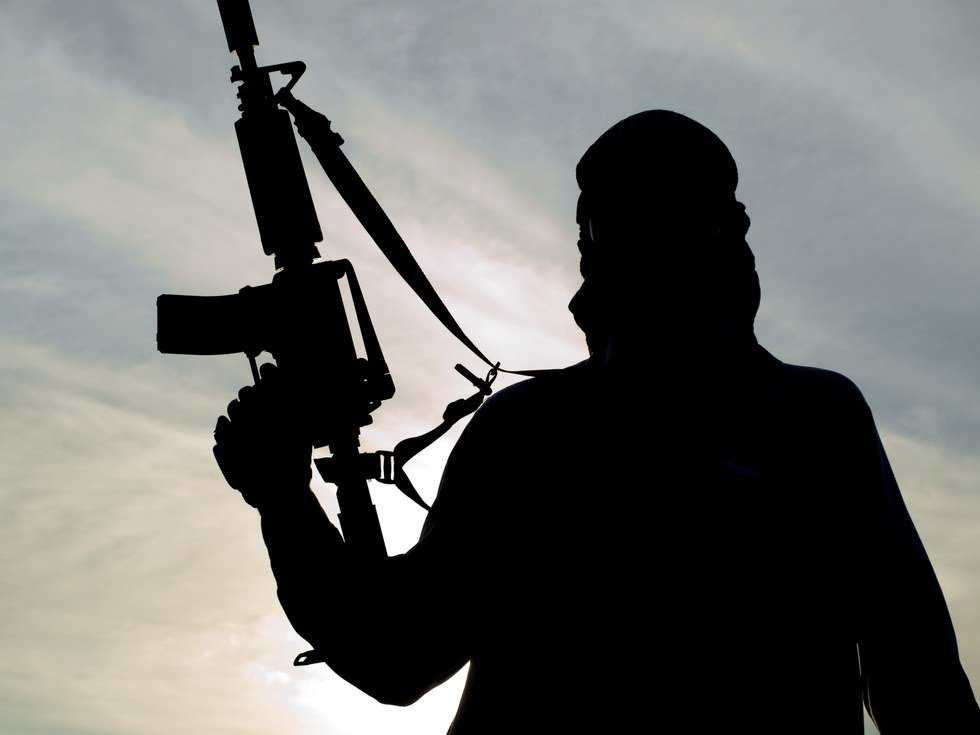
With the recent situation involving Egyptair Flight 804, terrorism is once again pushed to the forefront of the discussion about world safety. What’s most terrifying about this tragic incident is that without much evidence media outlets and politicians alike were quick to hint that, as Egypt’s aviation minister, Sherif Fathi, put it, “[t]he possibility of having a different action or a terror attack, is higher than the possibility of having a technical failure.” Terrorists no longer have to claim immediate responsibility for “acts of terror;” they have ingrained their message of fear so deeply within our society that we will do the job for them.
Terrorism has recently become a very hot topic in news coverage, but terrorism is nothing new in our world, as Lulu Rumsey writes for History Today. “[W]hilst in many peoples’ minds 9/11 encapsulates the very definition of terror, history has taught us that the phenomenon of terrorism has undertaken many guises since its inception,” she says. The most prevalent association of terrorism in our modern world is with Islamic extremists, but the first use of the term “terrorism” actually originated in an 18th century French dictionary, “Dictionnaire de l’Académie française,” where it was defined as “a regime of terror.” Islamic terrorists are nothing new to the world either, the earliest Islamic terrorists can be traced back to 600 AD.
Rumey also discusses the parallels between our modern day fear of Islamic extremists and how it bears a resemblance to the reaction to anarchist terrorists of the 19th century. As a quote commonly attributed to Mark Twain states, “History doesn’t repeat itself but it often rhymes.” As a civilization, acts of terror are nothing new to us, yet the extent of news coverage on terrorism seems to be escalating, hinting at just how trigger-happy we are to go throwing the word “terrorism” into the fray at the slightest inclination.
We seem to be at a loss of how to deal with terrorists, as well. One of the latest methods of “eliminating” terrorists, drone strikes, has proven to be counter productive due to the fact that innocent civilians often find themselves on the opposing end of our terrorist intended bombing, fueling Anti-American feelings and actually creating more terrorists. We seem to think that if we kill terrorists and the leaders of terrorist organizations, we will kill the threat of terrorism, but terrorism in itself is an idea that has been around for centuries, one that will not easily be killed.
Despite it’s physicality and violence, terrorism is actually a form of psychological warfare. Mark Manson, a psychology and philosophy blogger, writes about how terrorism works, saying, “All of its power comes from leveraging the imperfections of the human mind and the tendency for people to make dumb decisions when they’re consumed by fear.”
Manson explains that terrorists understand that fear sells and they tap into this understanding. As Manson puts it, a single bombing, even of an airplane or a building, is a small act in the grand scheme of our population when hundreds of thousands of people are dying every day from natural causes, car accidents, diseases, and suicide. It is our wildly out of scale reactions to these events, reporting on them on every news outlet and social media site, that gives them such a powerful effect in our society. “Everybody buys into the drama,” Manson writes. “Everyone feels righteous in their horrible emotions. And everyone then continues to spread the disease of fear further.”
There is scientific evidence supporting the theory that reporting on terrorist attacks increases the effect of terrorism, as James Walsh, University of Carolina at Charlotte professor, discovered. In a study called “Media Attention to Terrorist Attacks: Causes and Consequences,” Walsh writes that “[a] number of studies found that exposure to media coverage of terrorism increases fear and anxiety.” As Walsh also points out, “one goal of terrorist violence is to influence an audience or audiences via media attention.”
Linking tragic events with terrorist organizations by naming the organizations who claim to be, or who we believe to be, behind the events does not simply warn the American people about the threat of terror, it also acknowledges that we recognize these terrorists and their credibility as threat increases. By broadcasting non-stop coverage of tragedies after acts of terror occur and showing the pictures and sharing the names of the terrorists involved, we are telling terrorists that if they do something big enough, we will recognize and report on them.
Islamic extremists use footage of American politicians and news reports in their recruitment videos, and then we provide them with free marketing by showing these videos on our nightly news outlets. In the fight against terrorism, it may seem that there is little we can truly do to counteract the fear that terrorism brings, but there is one thing we can easily do; stop reporting so extensively on terrorist attacks and feeding terrorism the fear it needs to survive.
















