

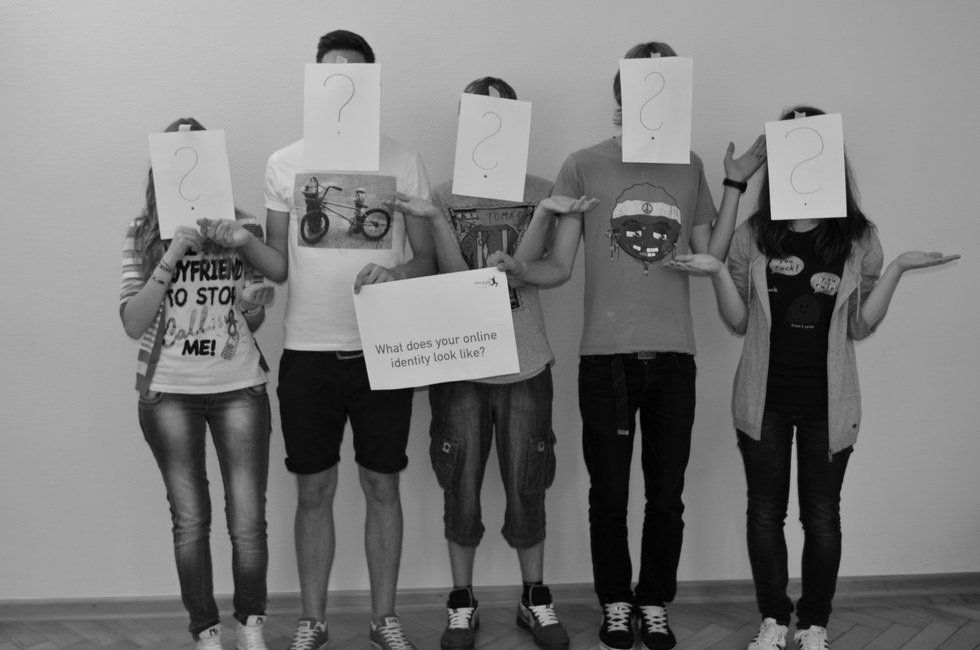
We all know that the adolescent years, especially earlier preteen and teen years, are crucial to the beginning of forming our own unique identities. This is when we decide what person we want to be, along with finding things out about ourselves and life that we never had to question before. There's also a lot of angst, vulnerability and the desire to be unique. It’s a confusing time. It’s the worst time.
The internet, and liberal forms of social media like Tumblr especially, do a great job of positively pushing for individuals to explore, express and be proud of who they are as they go through this stage of life. However, as of late, it seems as though that gets taken too far.
The modern internet has generated this radical idea for young teenagers by pushing so excessively for acceptance of all identities and views that if you don't belong to certain queer subcultures, your identity is wrong. If you don't identify a certain way, you're either boring or you're part of the oppression that these other groups face. This manifests itself mostly, from what I've noticed, in two forms: LGBTQ identities and feminism.
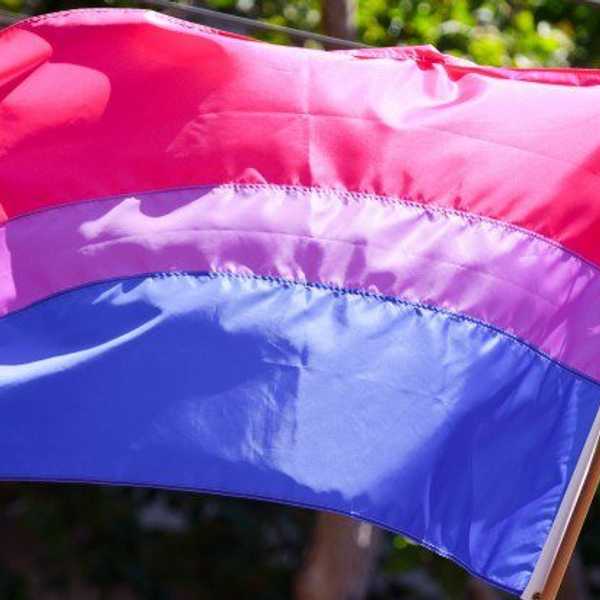
It's obviously known that the LGBTQ community has gained some much-deserved acceptance in society over the past few years, both legally and socially. And this is absolutely amazing. But what's interesting to see is how this has manifested over the internet, both in good and bad ways. Tumblr and other social media websites have long been an accepting place for people to come out and feel as though they belong to a community, but the users of this site have a way to take things too far. If you're on Tumblr, you're allowed to be gay, bisexual, pansexual, asexual, polyamorous, etc., but you're not allowed to be straight. Now, I'm not trying to pull an "all lives matter" viewpoint on this; the issue is that by pushing so hard for queer acceptance and to recognize the hardships these people face, everyone who is not queer gets lumped into being evil and part of the problem. Or, similarly, if you're straight, you're boring or not worth as much as your peers who have to deal with the societal struggles of non-traditional identities. There are constant posts that straight-shame and generalize all straight people as oppressors, and while I'm sure some are, this makes it so easy for young people who are both cis and straight to feel as though they are invalid.
Feeling too plain, or like they're bad people, makes these adolescents want to be as unique as possible; I've even seen young girls try to "come out" just to feel as though they have done something meaningful or are special, even though they have no real idea what their sexual preferences are. The internet is a contest to see who can be the most unique, and the only way to feel like your identity is legitimate is to fight against the societal norm. It's a form of rebellion, even. Queer is the new black for young women and men.
Queer identities aren't the only thing taken too far on social media; something similar has happened with Tumblr's idea of feminism, which has honestly turned more to misandry than true feminism. Tumblr feminists are now commonly referred to as "femi-nazis" that not only believe in gender equality, but would love to tear down men in the process. If you don't hate men, you're obviously a misogynist. There is no in-between. This kind of exposure to such extreme opinions is hurtful to younger people because it creates confusion of what feminism is, what is acceptable and unacceptable in society for the treatment of other people and how to properly identify as a feminist. People on these sites claim that they are vessels of equality, when in reality, they are anything but: they're bullies that want to justify, mask and teach hate to impressionable young people.
These kind of ideals are detrimental and harmful to young people who are trying to figure out both themselves and the world around them. By saying, If you're not this, you're not unique. If you're part of this group, you're part of the problem, you're generalizing and putting pressures on teens that they don't need to have. It's already hard enough to find yourself when there are external pressures and stimulators at every corner; the internet doesn't need to be another. Growing up is about finding a place in the world, and that is a terrifying realization to make. This world is huge, there is a place in it for everyone, and every identity is interesting and unique just because it is yours.

















