


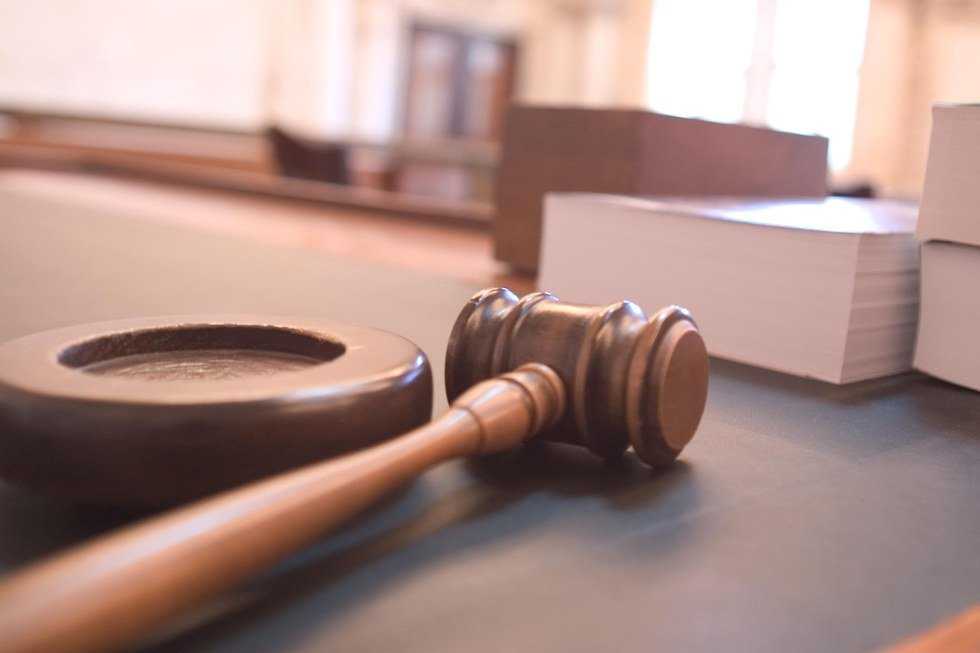
The roots of the American news media, of the “watchdog press," and of the freedom of speech stretch back before an America even existed. Freedoms of speech and expression have been violated, argued for and upheld in a number of Supreme Court cases throughout our two centuries. This is not a tradition to be taken lightly. Much like the American news media. Have you ever stopped to think about how much power the media has?
Media can make or break reputations. In our highly politicized society, the way an individual looks or behaves on camera can entirely alter their standing in the opinion of the American public. (Just ask Richard Nixon.) It’s fascinating, no? Whether we realize it or not, we rely heavily on appearance and presentation when forming our opinions about a person, whether it be the girl next to us in class or the next potential president of the United States.
Modern technology has taken our individual accessibility to levels that, 20 years ago, were unfathomable. News is everywhere. When harnessed correctly, more news in more places should mean more informed citizens, right?
Right. In theory.
Historically, the media has experienced a great deal of leeway under the First Amendment. But, what happens when the media’s First Amendment right to free press comes into conflict with, say, your or my Sixth Amendment right to a fair trial by a jury of my peers? Are all amendments created equal?
One hundred years ago, a conflict between constitutional rights was almost unheard of. In part because we were (and still are) in the process of figuring out what those rights really are. But, I think, in larger part, because there was no television. Newspapers were tasked with the molding of opinion. The general public’s accessibility to "breaking" news was fairly limited. Considering that The Washington Post sends me minute-by-minute updates via iPhone, I feel safe in saying that accessibility is no longer an issue. Don’t get me wrong: I love having breaking news in the palm of my hand. But, if I were to be a defendant in a high-profile trial, would I really want my potential jurors to have unfettered access to outside opinions that could corrupt their impartiality? It’s a hefty assumption to make (of the media’s influence and of civilians’ susceptibility), but at the rate technology is advancing, I think it’s one that merits consideration.
Let us examine the Sixth Amendment for a moment.
“In all criminal prosecutions, the accused shall enjoy the right to a speedy and public trial, by an impartial jury of the state and district wherein the crime shall have been committed, which district shall have been previously ascertained by law, and to be informed of the nature and cause of the accusation; to be confronted with the witnesses against him; to have compulsory process for obtaining witnesses in his favor, and to have the assistance of counsel for his defense.”
A public trial. By an impartial jury. When the jury has no access to the presentation of public opinions of the case, everything works fairly smoothly. In the 21st century, we encounter a serious issue. What are we supposed to do if the media’s right to publicize trial details could potentially alter a juror’s impartiality? Do we sequester the jury for every high-profile case? Where does it end?
Fortunately, studies conducted on the impact of media on potential jurors have proved inconclusive. Yet, I remain frustrated. The criminal justice student in me would love to believe that the media is, partially, at fault for the judicial upsets that have occurred in recent years. The broadcast journalism major in me wants to believe that jurors, being morally responsible American citizens, know better than to let media bias affect the ways in which they conduct their civic duty.
Both of these expectations are clouded in naïveté. So, maybe I should take a different approach. Maybe the country should take a different approach. We conduct research and studies to explain and to justify this idea that the media is at fault for problems within our criminal justice system. We should stop explaining and start asking the important questions. Why does the media run sensational headlines? How might juries be potentially affected by a one-sided news story? What can we do legally, what should we do ethically, to make a difference?
If there is a direct connection between the media and juror bias, I cannot say. But, think of the impact the media has on us, the unsuspecting pool of potential jurors. We put people on trial every day. We pick sides, we form opinions, we agree and we disagree. It’s politics. It’s human nature. And it’s supposed to be good for society. But, at what point do we question the ways in which the media could be detrimental to the formation of honest and accurately informed opinions?
Be wary. Technology will continue to advance in ways it scares me to imagine. Our society has a need for speed. Fast food, fast service, fast news and fast communication. With every new gadget or idea, our need only intensifies. Impatience has become habitual. We devote time, money and talent to expediting every activity and responsibility that makes up our daily life, so that we have more time to do more things. They say there’s an app for everything and, to be honest, I think “they” are correct.
Think before you consume. Under our law, American citizens have equal rights to justice and to fair treatment. Until we all have the right to equal justice, we cannot rest. Technology is a good. We the people are left to decide how to use it. Use technology to spread the message of social justice, or to sentence our fellow citizens to a trial by social media. You choose.

















