
Here's some of the most amazing breakthroughs of 2016 (in no particular order):

Researchers have discovered hundreds of genes remaining active, some becoming even more active, after death in many animals. Most surprisingly, genes involved in embryo development and genes that promote cancer are still active, which can help explain why people who receive transplants from recently deceased have a higher chance of having cancer.

Though plants can't gamble money, they can gamble their lives. Pea plants have been found to gamble where to send out their roots when faced with a risky situation. Will the soil that has variable conditions be a better path than a soil with constant conditions but low nutrient levels? Perhaps plants are smarter than we think.
Carbon Dioxide Turned Into Solid Rock
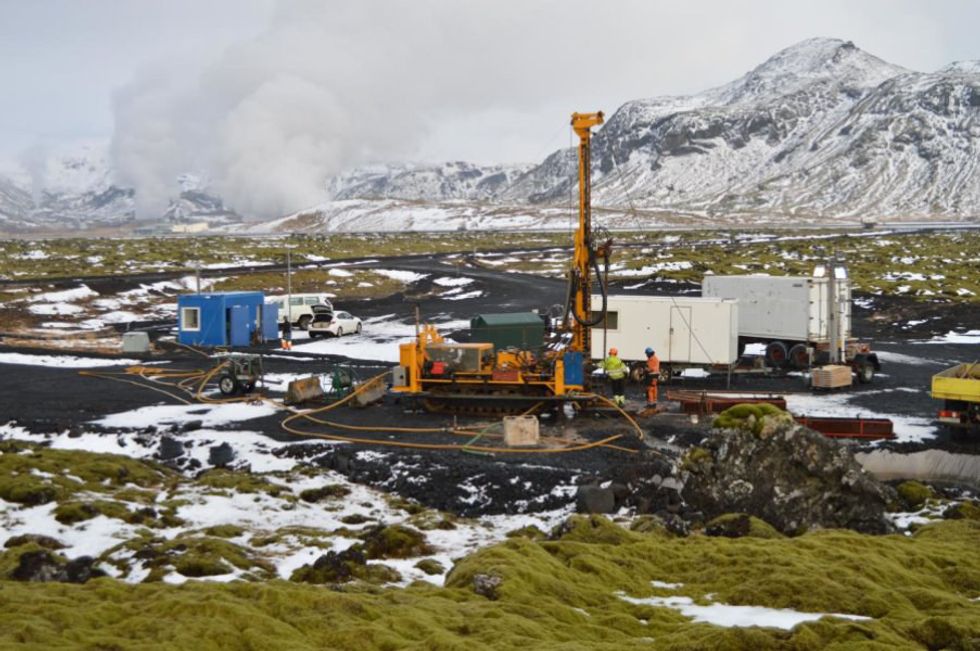
Scientists have found a way to turn anthropogenic (caused or influenced by humans) carbon dioxide emissions into solid rock. This process, which usually takes thousands of years, was done in just two! The rock created could be stored underground or used as building material and the carbon dioxide would never enter the atmosphere again, thus help the fight against climate change.
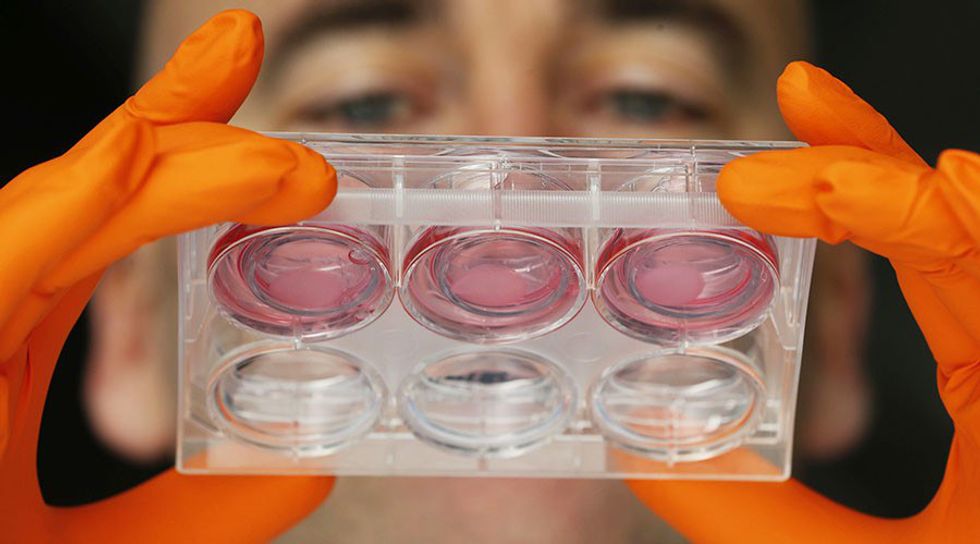
As we grow older, it's no surprise that we accumulate more dead cells. Scientists have discovered that these dead cells secrete proteins that damage healthy cells around them, as well as organ systems. They conducted an experience to remove these dead cells in mice and found that the mices' lifespan increased 17% - 35% and had reduced age deterioration. Could this be the next stage for a longer life in humans?
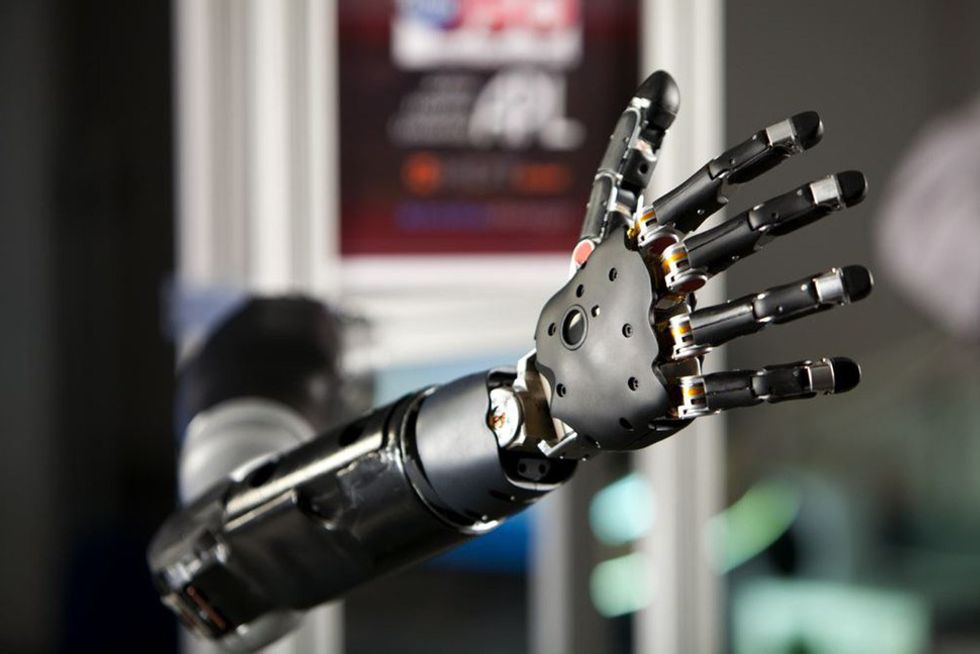
A group of researchers have created a brain computer interface that can sense from the brain to the hand and vice versa. A paralyzed patient tested the artificial hand and found that he could feel which finger was feeling pressure, a breakthrough that could revolutionize prosthetics.
Self-Driving Tesla

Tesla's autopilot car feels like the future is here. The car can manage its speed, steer and change lanes, park itself, including automatic parallel parking, but this self-steering became a big breakthrough for self-driving car's full autonomy. Though the software still needs more work, the full autonomy is there and it only needs tweaks before it can be driven fully driven on the roads.
Genetically Engineering Cells

A company created a highly engineered, but simple "universal" supply of T cells and used gene editing to delete receptors that T cells use to find foreign molecules. They call it immune engineering and the company was able to save the life of a girl with cancer. This leads the way towards future treatments for cancer patients.
Here's to 2017 and all the future scientific discoveries!