
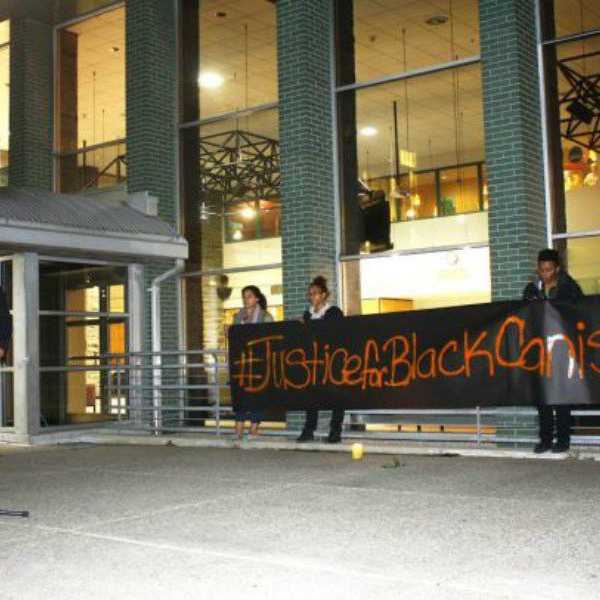
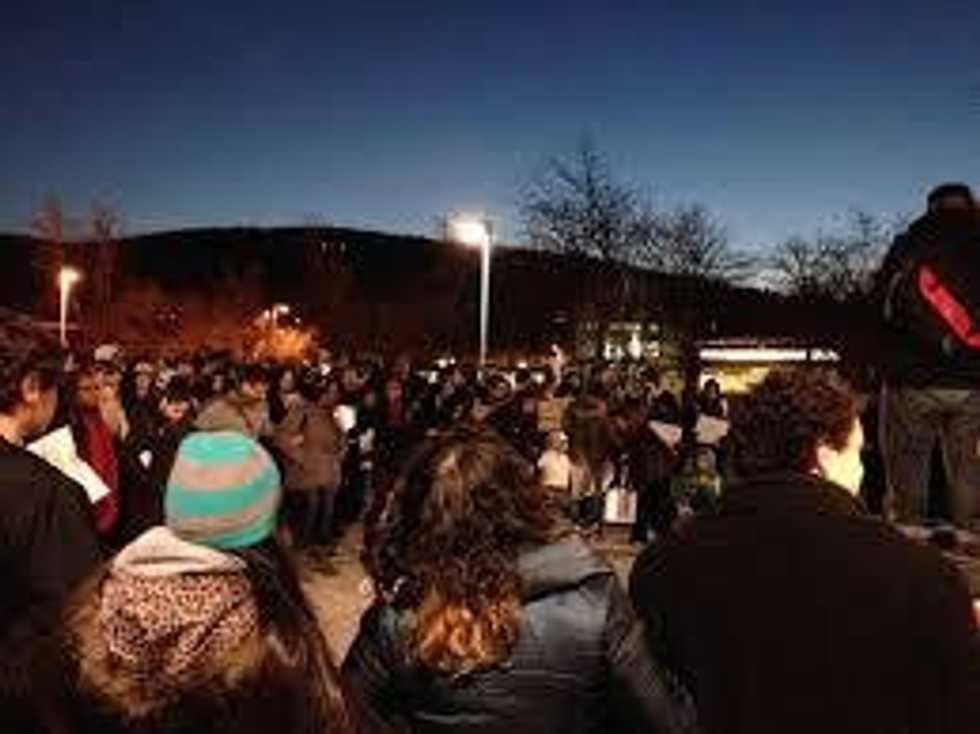
This past week has been a very trying one for minority students, specifically students of color. Due to the extreme threat of violence on campuses such as Yale University, Mizzou, and Ithaca College, students of color at Binghamton University could not help but rally behind their fellow students. They continued the fight that started last year, attempting to make Binghamton's campus one of total equality.
In response to Thursday's peaceful march, the Student Association responded with an extremely coded message in which they told students of color to "rise above the frustration, the tension, and the politics surrounding this topic." To suggest that we could just rise above racial injustice is to misunderstand racism. They insisted that "we must move forward" as if the formation of Students for Change last semester, as well as the continued protests and attempts to meet with our administration, have not been real efforts to make progress, but children throwing tantrums in the grocery store aisle.
They went on to suggest that being a Binghamton Bearcat means to not disagree or argue with the ideas and choices of the administration but to passively smile and nod our heads as we recite their motto. The point of college is to grow, to learn, to question, and to push the boundaries; that is exactly what students of color are trying to do. The march held was a peaceful protest to let the university know how minority students felt and how far they were willing to go to fix it. The Black Student Union held a meeting for all of those involved in the march. At this meeting, the feeling that struck me most was one of a shared burden--a lack of belonging that appeared in the hearts of many, if not the majority, of minority students. While the students of Binghamton University may not be threatening our very lives, their attitudes and actions toward us do not promote feelings of safety nor inclusion.
Waking up to the letter from the Student Association was a slap in the face. They are literally telling minority students that their discomfort is their own fault, and that if they would just stop “attacking” the administration and acted as "Bearcats" do then they would be better off.
But the real question is how does bearcat act? Does it not fight for itself? For what it knows it deserves? Is the bearcat wrong for fighting back when it is consistently under attack? Minority students are tired and frustrated. Why is that when we ask for equality we are asking for too much? Why is it that our frustration is depicted as entitlement and we are told to get over it, that this is the real world? If this is the real world then something needs to give.
Binghamton's Women’s Student Union gave an excellent response to the Student Association’s Letter in which they broke down why the SA's worry about the administration was foolish and wrong. The administration is not under attack, the students of color are.
In speaking to some of the students on Binghamton’s campus, I found some with varying ideas but overall, each came to the same conclusion. Janet, a Togolese junior, felt that “The SA and Stenger’s letter were a weak attempt at appeasement and the WSU’s response was telling them that it didn’t work.”
Another junior who identifies as Jewish, Sarah, said, “I think often times people fear admitting that their home is having issues. Our home, Binghamton, is not equally comfortable. Fortunately, there are students raising their voice but unfortunately those voices are not being supported. While the SA's letter may have had good intentions, it is important that at this moment the administration and SA embrace protests. Our student leaders should follow the path of the WSU to help those who wish to be heard, be heard."
Another student, Ben, a caucasian senior, stated, "The Student Association is supposed to represent the voice of the students, however, the diction and nature of the email seemed as though it were written by a concerned parent talking to a rebellious teenager. While I don't agree with protesting through classrooms, I feel that the solutions offered by the SA were impractical."
I was extremely surprised to find that thought these students came from varying backgrounds, they all felt the same way about the SA's letter. The Student Association is meant to support the students and so far they do not seem able to do their job adequately.