Throughout the last 50 years or so, the United States has been creating dams all throughout the nation. It’s a way of supplying energy and creates an economic “boost” to the surrounding areas. Recently the Glines Canyon Dam has been officially removed, and conservation groups are extremely glad to see both, that that Dam is gone, and that the Elwha River is thriving again.
The current news of this removal project is getting much attention and conservationist groups are using the removal of the Glines Canyon Dam as a success story, which they should be. This removal project has developed paths for new species of fish, and the highest fish population this area has seen in almost 30 years. A true example of restoration working. What about other Dams around the U.S? As I explained in the beginning of this piece, some of these dams, are used for providing electricity, and have economic value to the surrounding communities, such as Glen Canyon Dam.
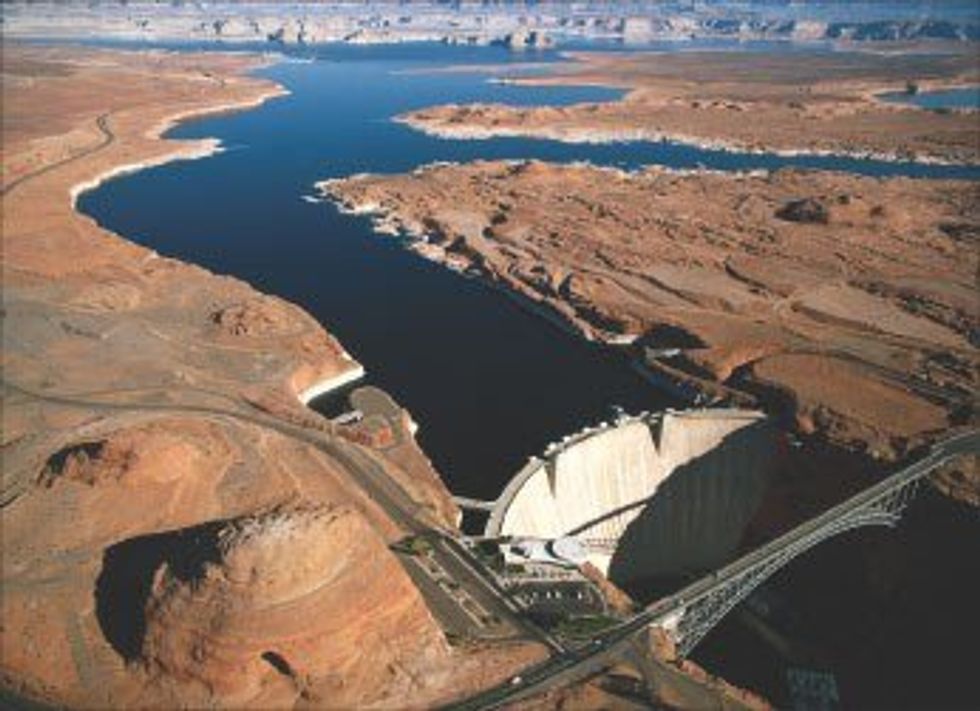
Glen Canyon Dam. Edward Abbey hated this project, and as much as I look up to him environmentally, his beliefs and mine sway just a bit on this issue. Before I begin my beliefs on dams, and Glen Canyon Dam in general, lets discuss the history, the damage, and the value this project has on the communities surrounding Glen Canyon.
The main purpose for this dam was to provide water storage, to ensure sufficient delivery of water to the lower basin during years of drought, and the design of this dam was to allow the upper basin to better utilize Its allocation of river flow – as designated in the 1922 Colorado River Compact. (If environmental groups are going to change anything about the dam, they must first advocate for changing/ and re-writing the Colorado River Compact).
The risk and reward of this project is controversial. Physically, and ecologically the dam destroyed Glen Canyon. Before the Dam, Glen Canyon was just as mesmerizing as the Grand Canyon, there were thousands of Native American ruins, and cultural sites. There were vast canyons that would go on for miles, narrow labyrinths, and beautiful nature scenes such as Music Temple, and Tapestry Wall. Scenes that are under 100+ feet of water…and sediment, Because of how much flow of water goes through Glen Canyon (now Lake Powell) think about how much sediment the river brings in, even if the lake were to be drained, the canyon would not be the same as it was before the Dam.
Glen Canyon Dam allowed for the creation of Lake Powell, and if you haven’t gone there, I highly encourage you to go. One of Lake Powell’s marketing quotes is “A Way of Life” – and it truly is. Thousands of people go to this lake yearly, for its recreational activities, and for the scenery that is still visible. This Dam allowed for thriving businesses, and economic growth in areas that affect it, like Page, Arizona. A town that was literally built because of the Dam. I have family members that own a fishing guide business on the Lake as a “Way of Life”. (Ambassador Guides… Check it out).
As I am finishing up this article I am pretty torn, mainly because the Environmentalist in me is saying “Down with the Dam!”, but the reasonable person in me is saying “A way of life, and the people that it will affect matter more”. Glen Canyon Dam has created a community, and an economy that is solely based on the Lake, I love the environment but people in this case matter more. I am sorry Ed Abbey, truly.