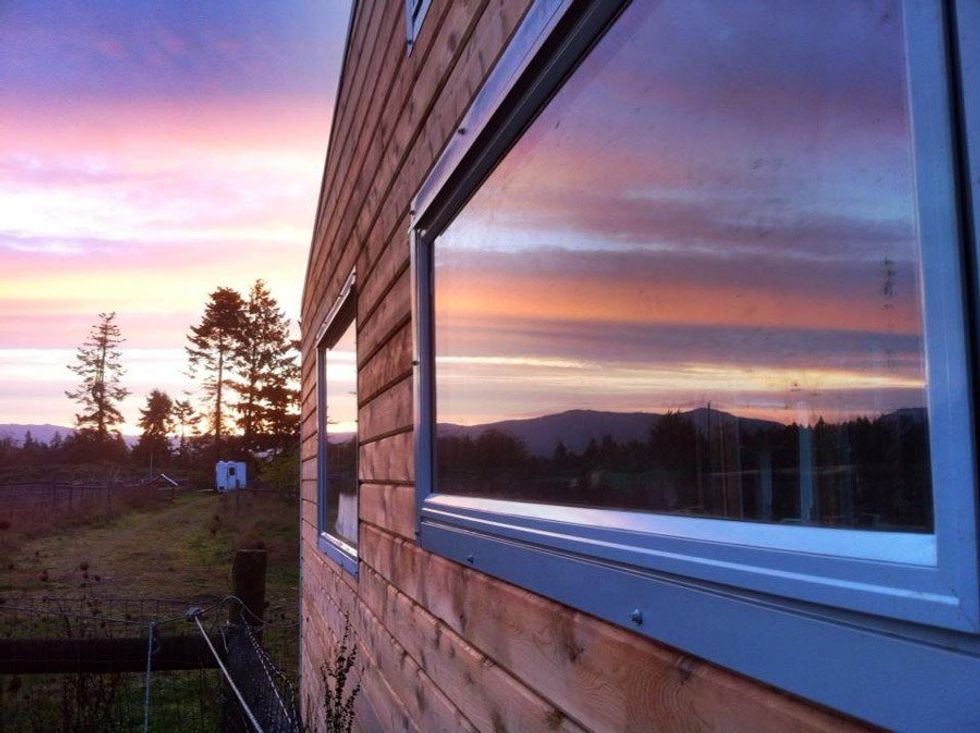
Tiny houses began trending in the late 2000s, picking up steam in the 2010s and have become mainstream phenomena of today. Empty-nesters and hipsters alike have set their sights on 500 square feet or less-- to travel, be financially independent, and simplify-- but maybe there is more to this trend than meets the eye.
In recent years there has been a call among Americans, specifically millennials, to go back to basics and live a sustainable minimalistic lifestyle-- whether that's on the grid or off. This change has brought the ideas of downsizing, making homemade products, and having micro farms in otherwise urban environments to the forefront of American thought. As much as this trend seems to be new and fresh, it is really just part of a growing nationwide nostalgia and a modernization of the old American dream.
When you think of grandpa and grandma living life out on the farm in their early days, you think of antiquated values and a real tether between the people and their land, but the farm was and is the great equalizer-- man, woman, child, animal, plant. Everything on the working class family farm served a purpose and everything on the farm was made from scratch. You name it-- soap, pie crust, cured meats, pickles-- it was all homemade. Life on a farm from the 1920s to 1950s was much simpler in most respects, smaller living quarters, more family time, virtual self-employment and self-sustainability. Does this sound familiar?
The main difference in the dream of today and what it used to be is travel. The allure of most tiny house living options is mobility. The dream is much the same, but the modern American is detaching themselves from the idea of staying in one place-- an idea that was trivialized in the 1950s and thought of as impractical for the average American (if you've ever seen "The Long, Long Trailer," you know what I'm talking about and if you haven't, you're definitely missing out on this 1950s gem).

The echoes of old farm life ring through to this tiny house trend. What tiny houses represent to most people is a freedom from materialism, freedom from the confines of debt and freedom to regain a sense of purpose in life as not only a homemaker but a working provider for yourself, your family and your happiness. So the tiny house trend is not so much a trend, but a collective nostalgia spreading across the country, triggered from continually growing complexity in the economy, the bigger-is-better American lifestyle and finding meaning in modern society. Going tiny is a revision in the traditional farm dream that incorporates greener and more simplified means of dealing with life.