To quote photographer Azareth Skivel, “I have found so much beauty in the dark, as I have found a lot of horror in light.” For Tim Burton, finding beauty in the dark is a specialty. No other director merges the beautiful and the macabre quite as well as Tim Burton does.
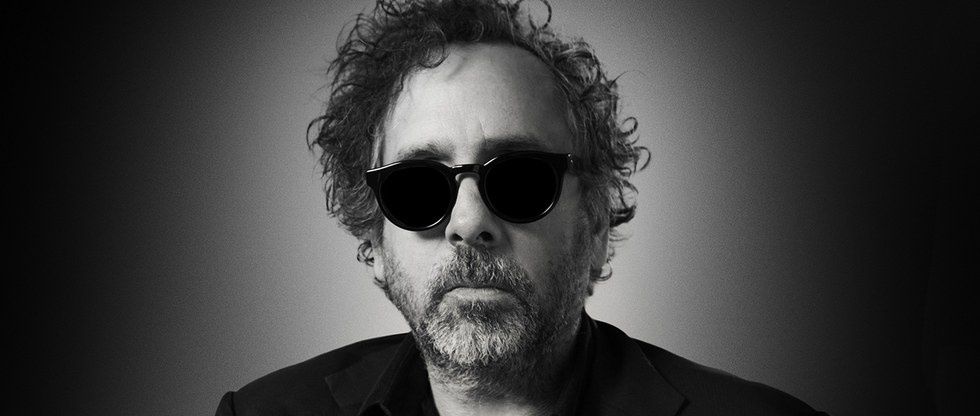
Burton’s films make it hard to look away. They are mesmerizing, curiously fantastic and memorable. His creative style captivates spectators as their eyes become forever fixed on colorful and spectacular imagery, but scares at the same time with dark themes so central to the Burton experience.
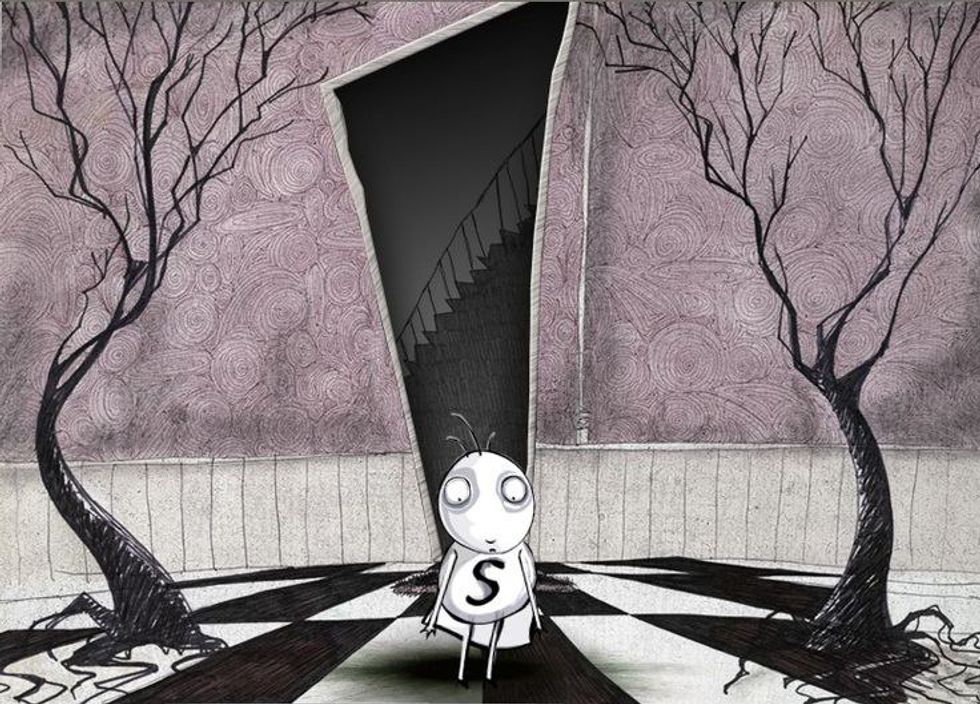
As the YouTube channel “Vsauce” says in its video “Why Are We Morbidly Curious?”, frightening things that pose no real threat of terror (i.e. scary movies) make us more alert and attentive as the neurotransmitters norepinephrine and dopamine are released in our brains. Burton’s films are such an interesting experience because despite being slightly unnerved by the chilling features of his movies, the audience directs this alertness to the quirkiness and beauty of the scene brilliantly painted by Burton.
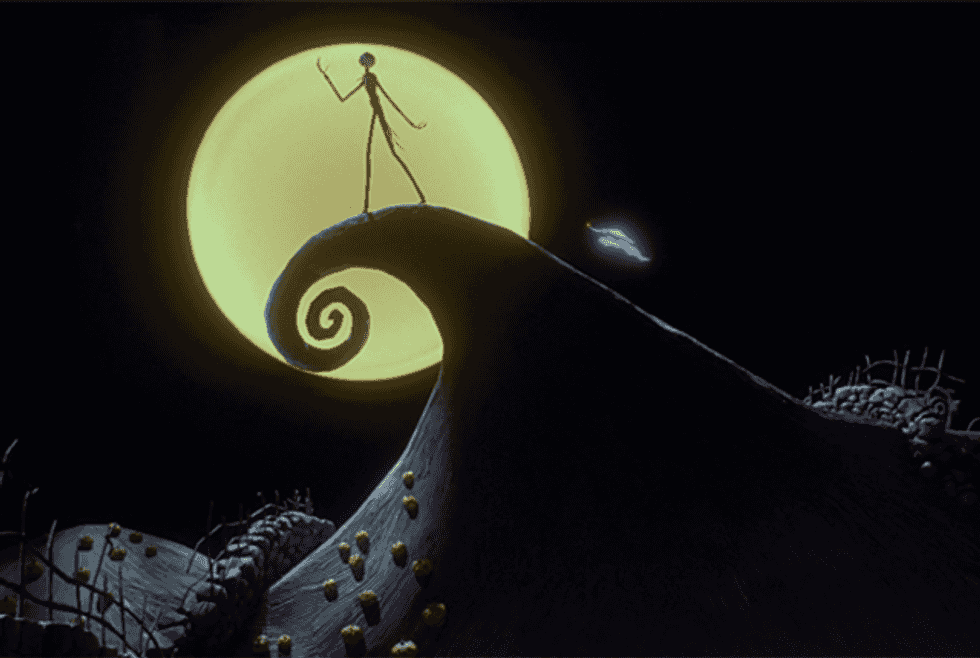
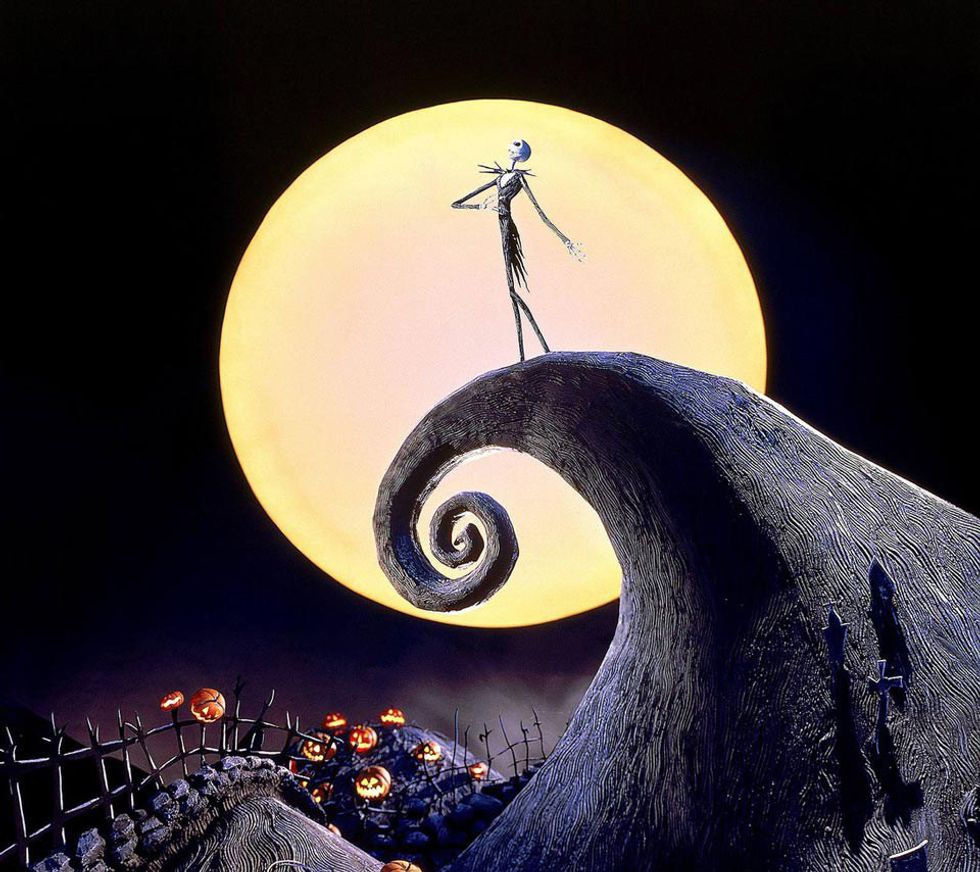
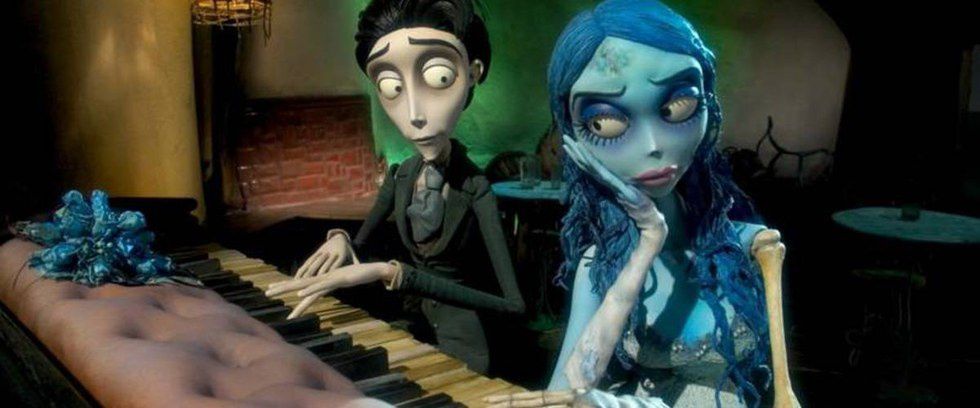
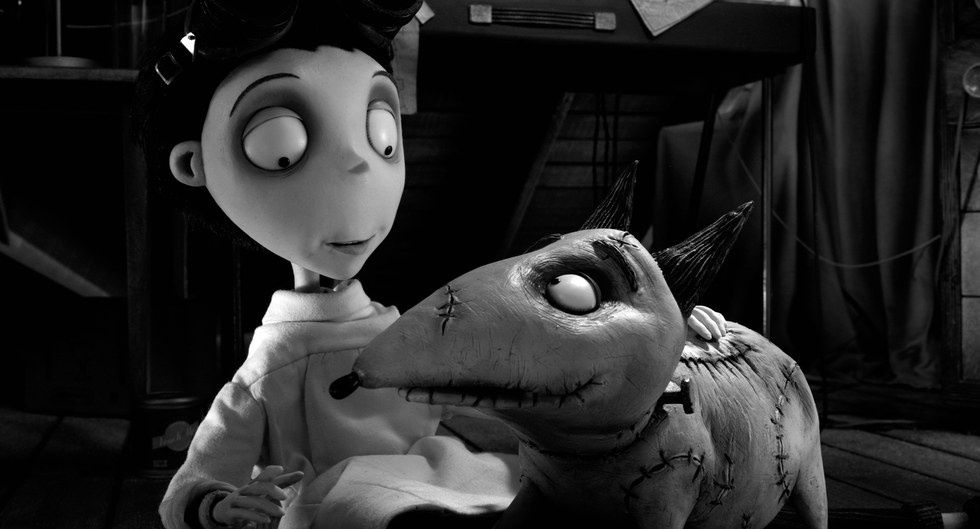
"The Nightmare Before Christmas" (1993), "Corpse Bride" (2005) and "Frankenweenie" (2012) are Burton's more known stop-motion animated films, "The Nightmare Before Christmas" and "Corpse Bride" being musicals. "Frankenweenie" is all black-and-white. These movies are unlike any other animated film, and the stop-motion features make the movies even more bizarre.
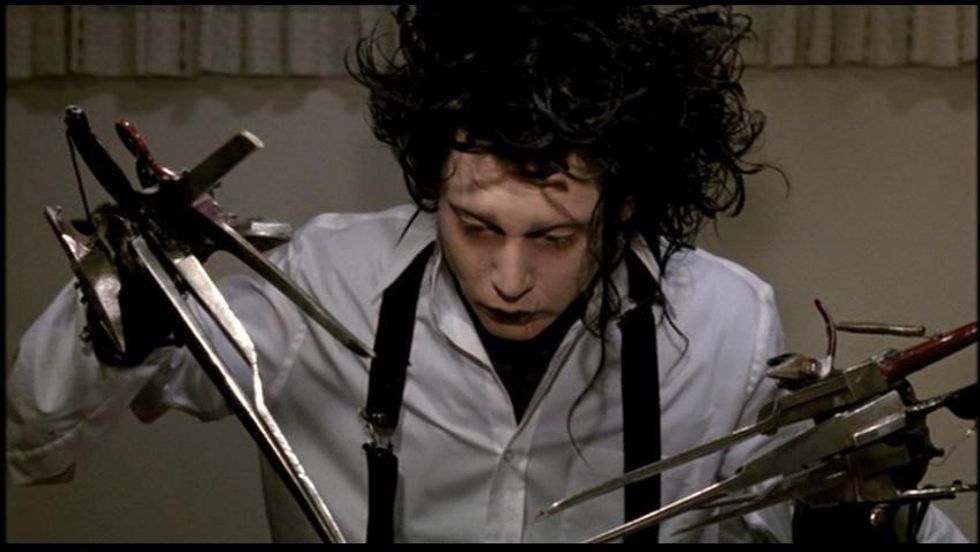
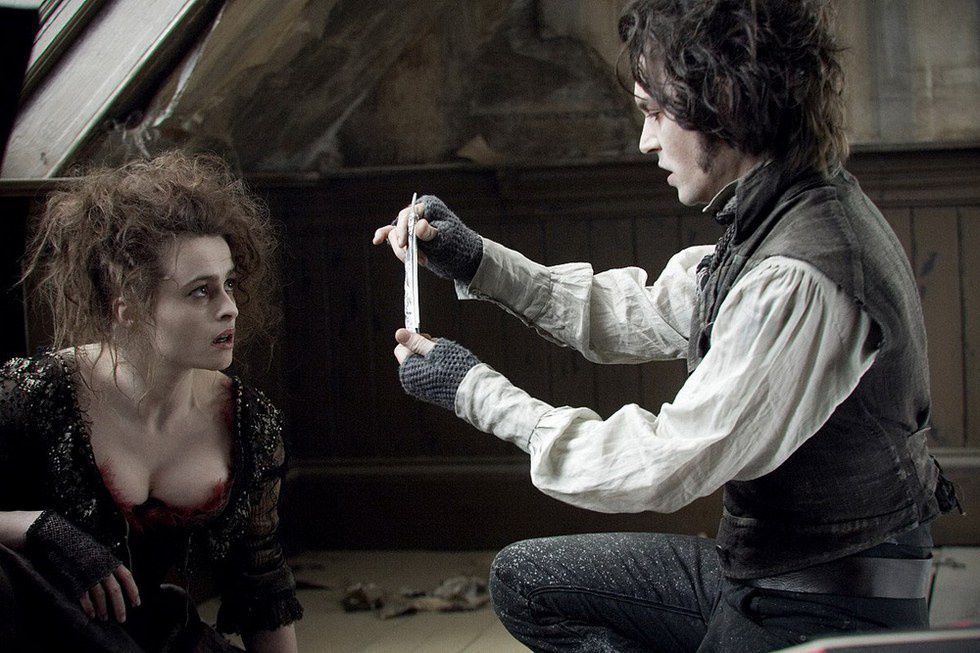
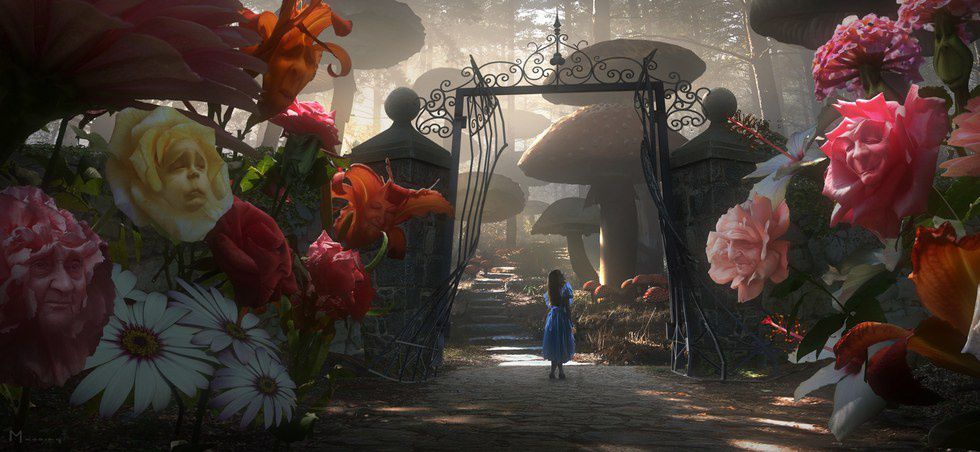
"Edward Scissorhands" (1990), "Sweeney Todd: The Demon Barber Of Fleet Street" (2007), and "Alice in Wonderland" (2010) are Burton's fantasy films. They are dark and frightening yet stunningly-produced.
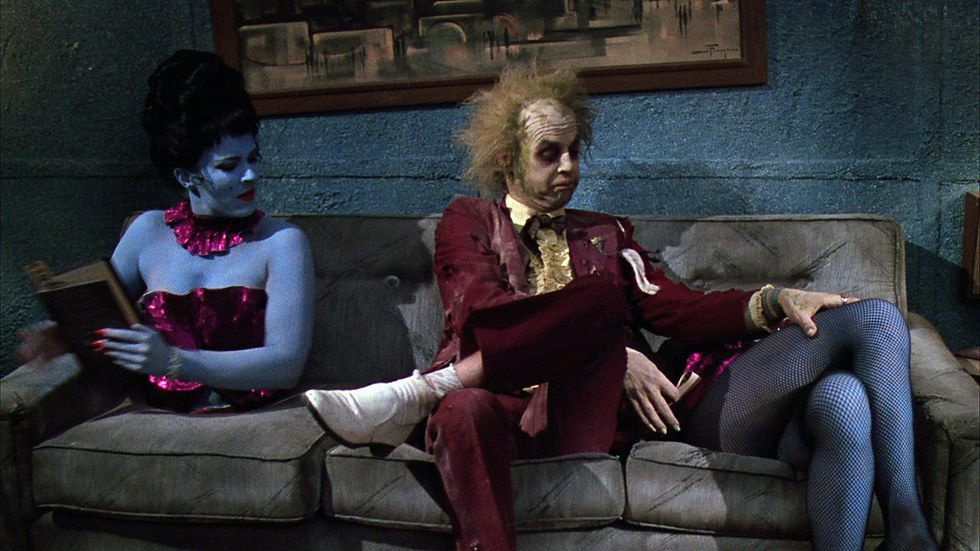
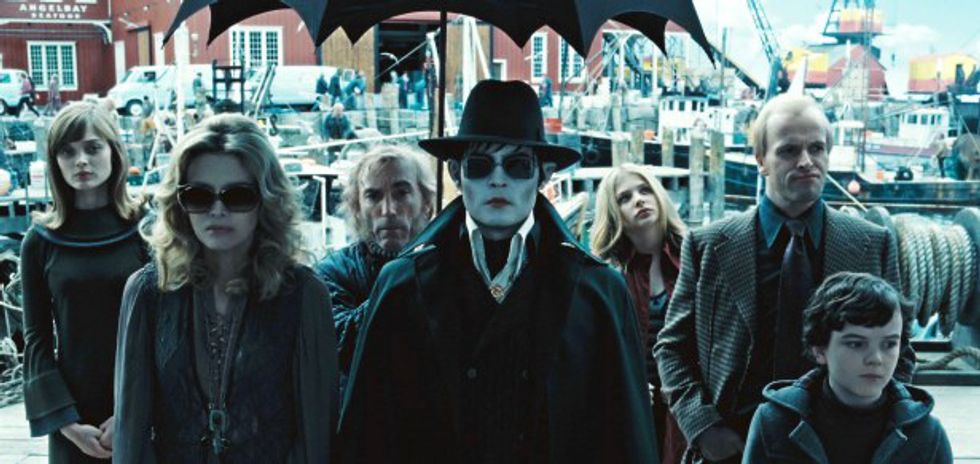
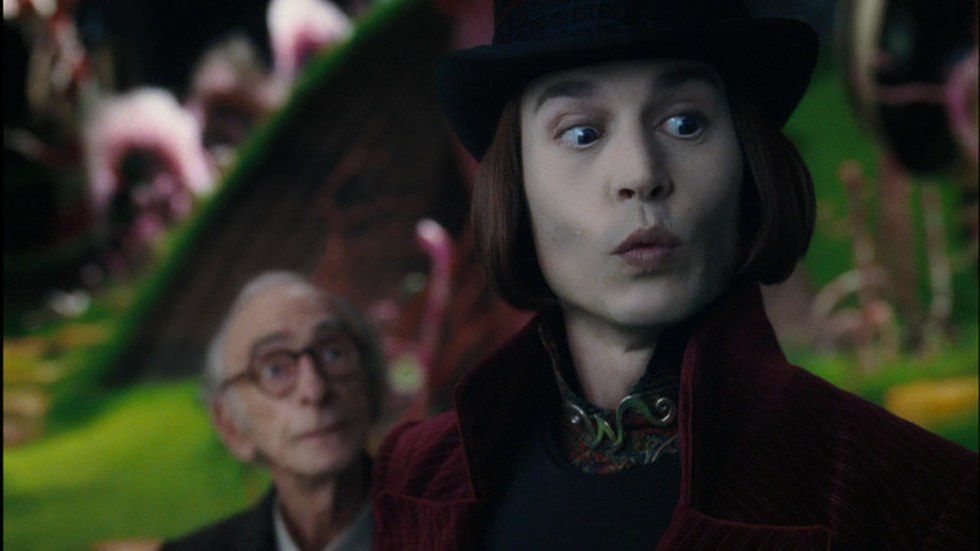
"Beetlejuice" (1988) and "Dark Shadows" (2012) are Burton's "comedy horrors" as Wikipedia puts it, and "Charlie and the Chocolate Factory" (2005) is his very well known "musical fantasy film". These movies, although they have dark themes, are quirky and fun overall.
You can also buy a book of Burton's artwork here.