

As an avid reader, I feel like I have the same opinion as several other people in the realm of turning novels into films. Most of the time, you see people stating "the book was better than the movie", which usually turns out to be true. However, there have been a few (very, very few) novels that have been successfully turned into films that I have actually thoroughly enjoyed in comparison to the novel. Most of the problems that lie in the filmmaking process happen to be not only the change of content from the novel, but the deletion of it altogether.
I am not going to start this by complaining about the novels that were given absolutely terrible films. We all know how bad Ender's Game was, and Percy Jackson. However, these are novels much more relatable to a younger audience, therefore attracting younger readers who can understand the mistakes made when transferring them to film. But what about important novels where the film is accepted as the correct version of the novel? "Notre Dame de Paris," anyone? "The Hunchback of Notre Dame" (1996) completely eradicated the narrator of the novel, Pierre Gringoire, from the narrative. They eradicated the one comedic character from the Disney version. Okay, but yes, I understand, Disney's track record with sticking with the story is quite bad, but those are fairy tales."Notre Dame de Paris" is not a fairytale, and should not be treated as such. This novel was written as a social commentary surrounding the communities of science and religion, and addressing the very real hypocrisy in the Catholic church. It is about how people's lives change when meeting in this one area, and how every single walk of life can be affected by one area. The main character of "Notre Dame de Paris" was not Quasimodo, but Notre Dame de Paris itself. In fact, Victor Hugo did not even like it when his novel was called "The Hunchback of Notre Dame", because it made the novel sound like it was all about Quasimodo. And it is most definitely not. And just to make it clear, I love this Disney movie. I love the music and the animation, and the film as a whole, but it should not be compared as an adaptation of the novel, as it is almost completely separate from the novel. It is entirely possible that a film can be a bad adaptation and still an excellent film (i.e. "Frankenstein" by Mary Shelley and the "Frankenstein" film released in 1931), but the problem that lies here is that filmgoers lose the original purpose of the story. In Notre Dame's case, we lose the purpose of the preservation of this Church, and its importance to all walks of life. Instead, we get a lovely story about Quasimodo. Again, a really lovely story, but not the one Hugo intended. At all. Also, this film has a happy ending, defeating the purpose of Hugo's work. If you've read Hugo, you know that there are no happy endings, as is human nature, and while this is a Disney adaptation, it is a bad adaptation, and almost insultingly simplifies the theme of Hugo's masterpiece. Again, a great movie, but still a bad adaptation.
Moving to completely horrific adaptations, we'll move on to one of my favourites:"The Great Gatsby." And I am talking about every single version made, here. And we cannot even say that the version created during Fitzgerald's own lifetime was good, either, as Fitzgerald walked out of the theater in anger at the production. However, something that I would like to point out about every single production of this novel is the lack of homosexual subtext present in the films. Nick Carraway is gay. Jordan Baker is a lesbian. This is very present from the subtext in the novel, but they are situations completely ignored in the film versions. Now, one could argue that the films were made in other time periods where homosexual subjects in films were regarded as taboo, but then I could use such films as "The Children's Hour" (1961) as a rebuttal, as this film was adapted from a story in which one of the main characters is a lesbian. Also, why should "The Great Gatsby" (2013) completely ignore this fact, and skip over Nick Carraway's great homosexual scene entirely? Instead of waking up next to a shirtless man after Tom and Myrtle's disastrous party, he simply wakes up on his porch. Alone. There seems to be a huge plot point missed here, and I am quite angry about it. While the 2013 adaptation did a fantastic job of sticking close to dialogue and symbolism from the novel, the plot falls short of the masterpiece that Fitzgerald created, and solidifies my theory that his works cannot successfully be made into films.
Okay, but I think you get it. Some books made into films are absolutely terrible. Most books made into films are absolutely terrible. But we still want our favorite books to be made into films simply for us to be able to get excited at the prospect that they may get it right this time. And there have been a few times where Hollywood did get it right.
We move to another classic, "The Grapes of Wrath," which was adapted into a film starring Henry Fonda in 1940. This film is arguably one of the best films ever created, and sticks close to the novel itself. There are several things that had to be changed, of course, due to the time period (the symbolic breast-feeding ending scene being the biggest problem here), but the directors managed to cast some of the most incredible, believable actors in the roles, bringing in minute details from the novel into the film. The film itself manages to jerk tears from the eyes of the audience just as the novel did, and the film remains as essential to any filmgoer's collection as the novel remains to any reader's library.
For a more contemporary novel that was adapted well, I will skip directly to "Harry Potter and the Chamber of Secrets" (2002). I single this Harry Potter film out because it sticks so close to the novel that I can almost align the dialogue from the book directly with what the actors are saying. While there are some additional elements added to the film, this director did not leave one stone unturned when it came to adapting this magical sequel into a film, and I stick by my opinion that this film is the closest to its novel counterpart from this series.
While books are often made into terrible films, we as readers and moviegoers cannot lose hope. There are lights in the darkness, and novels yet to be adapted--the more promising novels in the clip below.
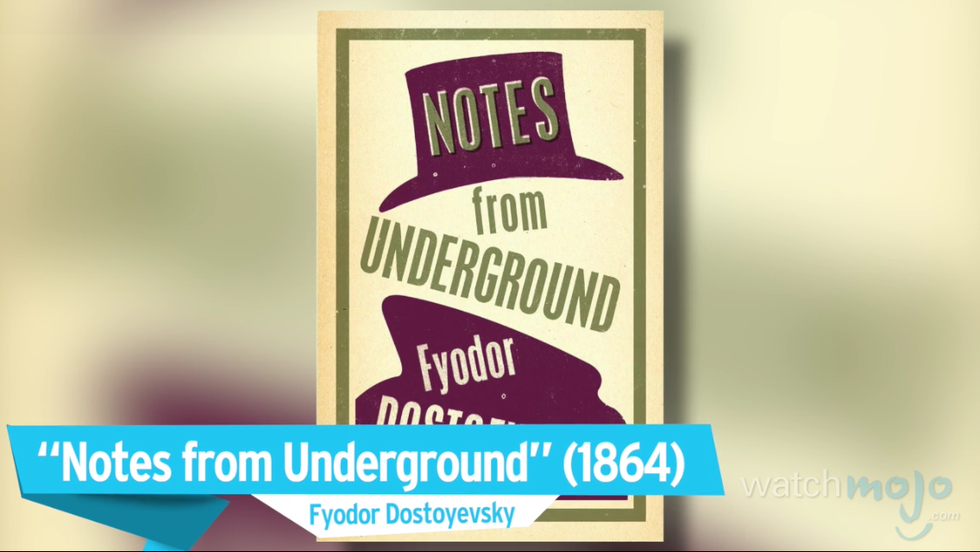
Although, I think we can all agree, "The Catcher in the Rye" should never be adapted into a film. Not only would it defeat the purpose of the novel as a whole, but it would just make Holden angry, and we don't want that.

















