
To see the world, things dangerous to come to, to see behind walls, draw closer, to find each other, and to feel. That is the purpose of life. —The Secret Life of Walter Mitty
Tibet, as a mysterious place, always waits for the brave ones to discover its beauty. Since 1949 (the time when People Republic of China was established), millions of visitors go to Tibet to see the true beauty of nature. There is a proverb that says, “Tibet is the closest place to the heaven.” As one of the places that I really wanted to visit, my dad and I decided to travel there for nine days. Because of some political reasons, Tibet is not open to the general public. Foreigners can’t just go there by themselves. They have to apply for a permission in order to enter Tibet. In addition, there is no direct flight to Tibet. Most flights have to stop at Chengdu. Even as Chinese citizens, we had to go through a separate security inspection at the Chengdu airport.
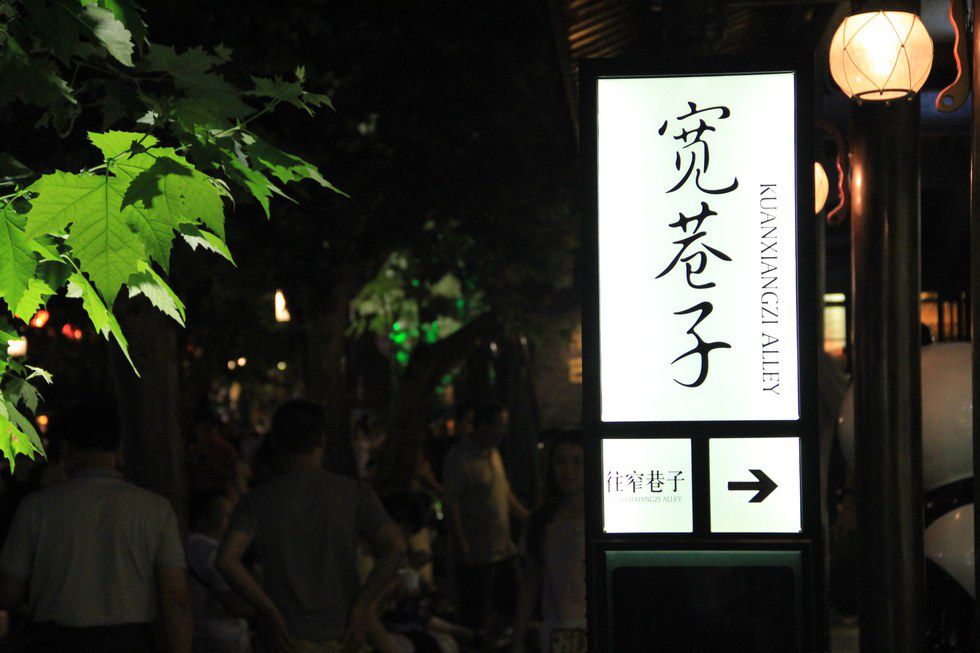
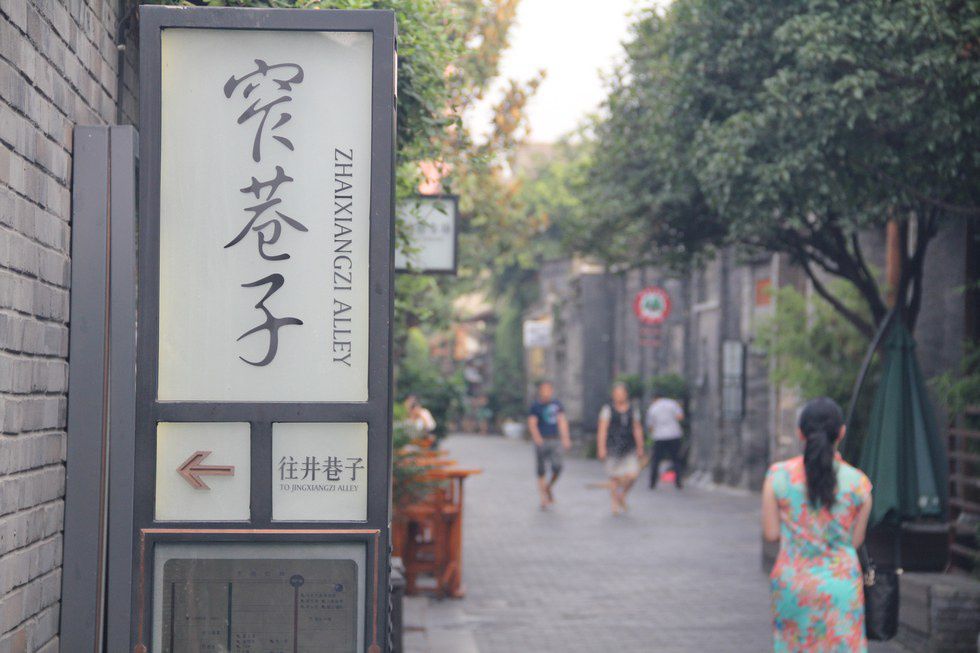
(KuanXiang Alley and ZaiXiang Alley)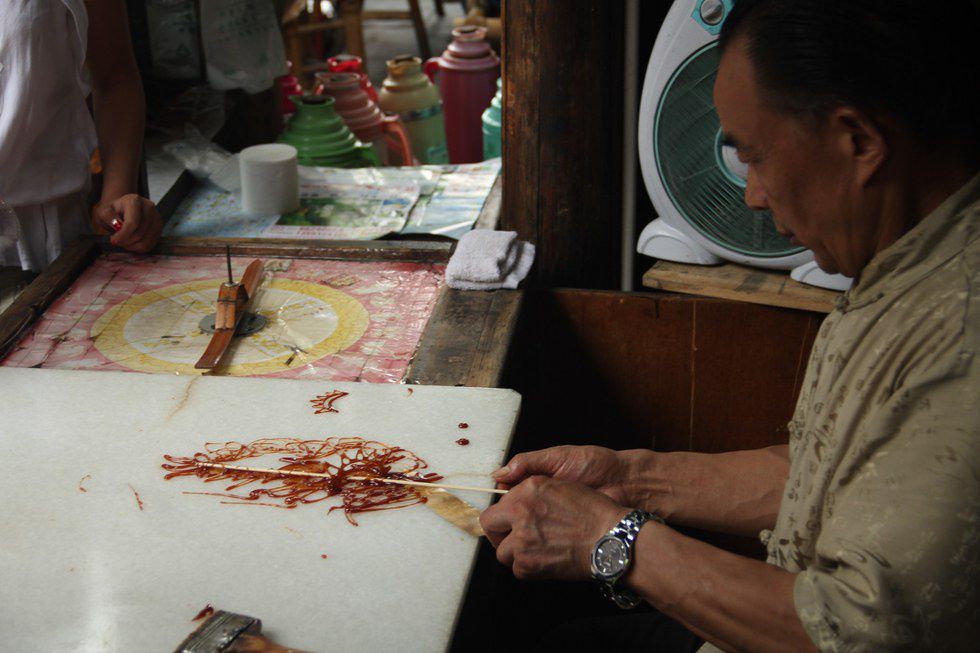
(a craftsman was making a brown-sugar art)
Because we had to transfer our flight in Chengdu anyways, we decided to spend two days there. Chengdu, one of the top 10 best cities to live in, has its charm. Different to other cities, like Hong Kong, people in Chengdu seem to really enjoy their lives. They don’t rush for most things. You won’t see people walk fast on the street unless they have their errands to run. As an inland city, Chengdu cuisine apparently worships one flavor, spiciness. People in Chengdu usually say the reason why people in Chengdu really love spicy food is they want to get rid of the moisture in their bodies. Sichuan hotpot is the citizens’ favorite. When you order foods in hotpot restaurants, you cannot only order the “normal” food, such as beef, lamb, meatball, but also some bizarre ones, like bull penises, rabbit kidney, duck head, rabbit head. People from western countries may not be able to accept these food, but it is a part of Chinese culture. It was a different food adventure. It is Chengdu, in my eyes, the city that you will never stop eating.
On the third day, we left to Lhasa, Tibet. My first impression of Tibet was that it was “primitive”. Although Tibet’s economy grew at an incredible pace in recent years, this place isn’t entirely covered by the concrete forest. You can still be impressed by its natural views. Verdant trees, mountains that seem no end and unbelievably blue sky. Everything there just looks so exquisite.
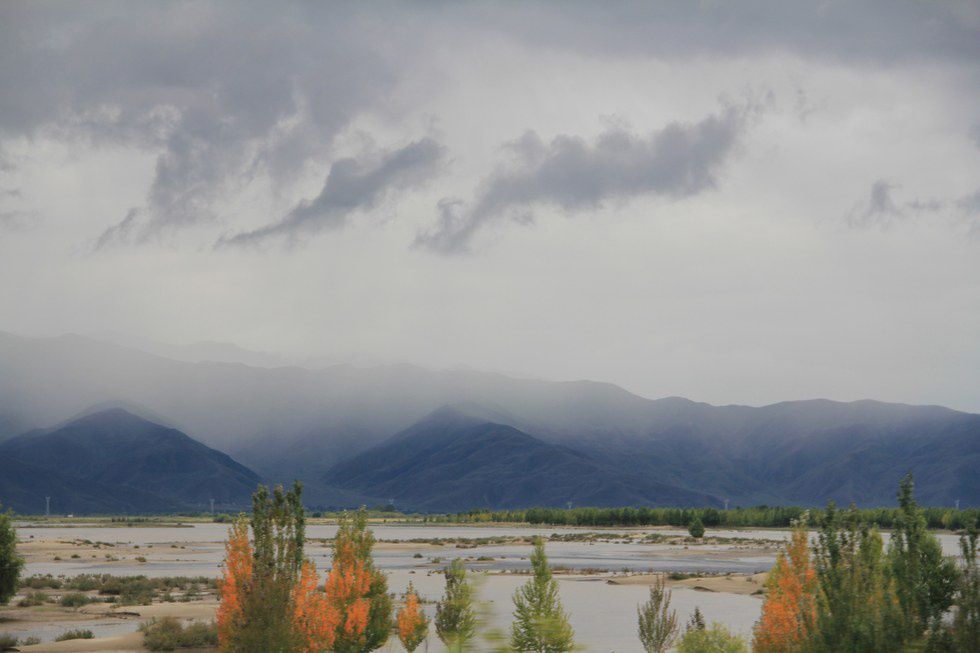
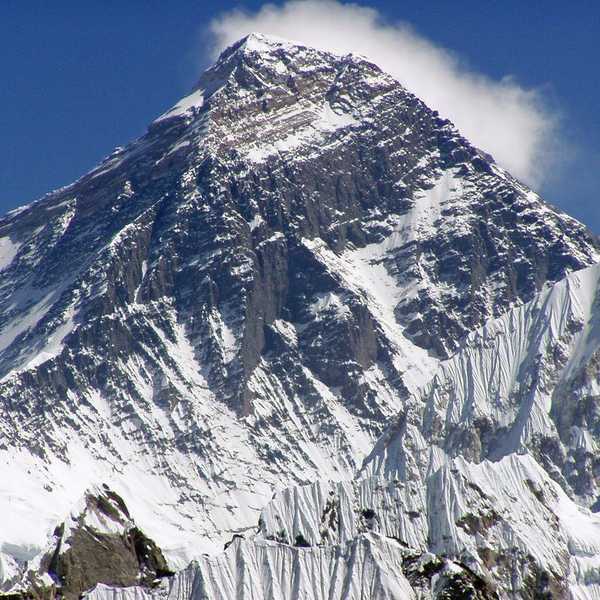
“Tibet is the closest place to heaven.” Tibet is known for two things: height and religion. Tibet’s average elevation is about 4,500 meters above the sea level. Because of the altitude, numerous ardent visitors who would love to go to Tibet stop their steps. For example, Lhasa, Tibet’s largest and the most famous city, is about 3,000 meters high above the sea level. (By comparison, Baltimore’s elevation is 10 meters above the sea level.) Thus, oxygen becomes scarce there. The extreme altitude can easily cause altitude sickness. The symptoms are headaches, nausea, insomnia and really fast heartbeats. There are about ten people that die from altitude sickness while they travel Tibet every year. I really had a hard time with the altitude sickness. I could not sleep; did not want to do anything. The only thing that I wanted to do was lie on the bed and do nothing.
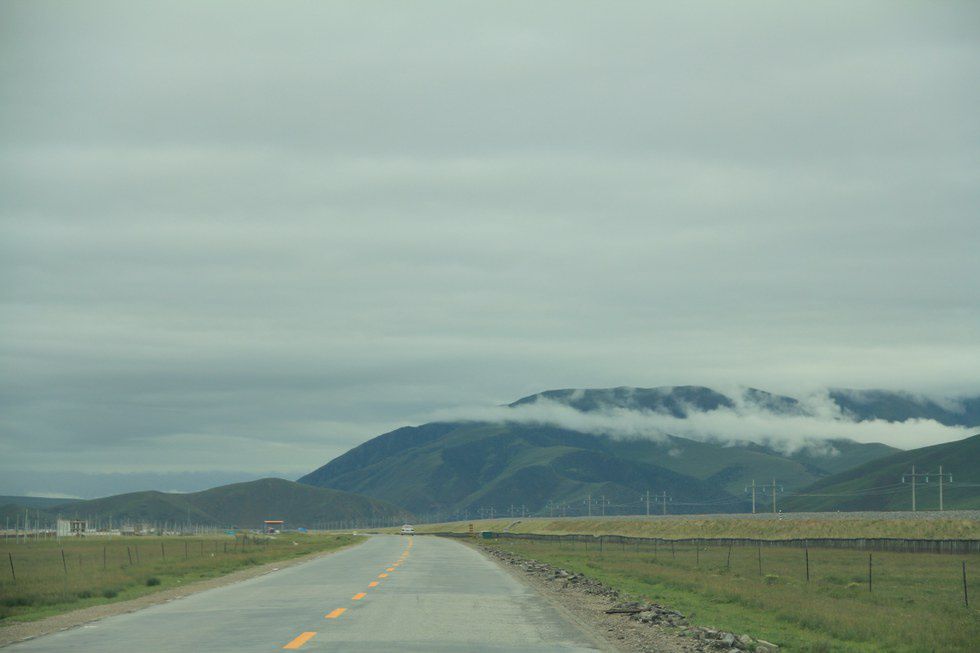
(On the way to Lhasa. It felt like you could touch the cloud.)
Lhasa is the capital of Tibet. Lhasa nowadays is more like a city. You can’t really tell the difference between Lhasa and other cities in China if you don’t see the signature building, Potala Palace. Potala Palace is more like the castle in Europe. Potala Palace was built for the Dalai Lama, who was the religious and executive leader of Tibet. For a long time, people in Tibet have believed in Buddhism. In Tibetan Buddhism, Dalai Lama was the incarnation of Buddha, who is the founder of Buddhism. He had the power to influence people’s beliefs, but also held political power in this area. The palace was built on a mountain. Through the window, you can view the entire city and the mountains on the other side. Decorated by the incredibly blue sky, the view impresses every visitor in the palace. Most Tibetans are very devout to their belief. Middle-aged or senior Tibetans would walk around Potala Palace clock-wise for a day in order to pray for a better life and health. Although I am not sure how long it is, it was a really long walk.
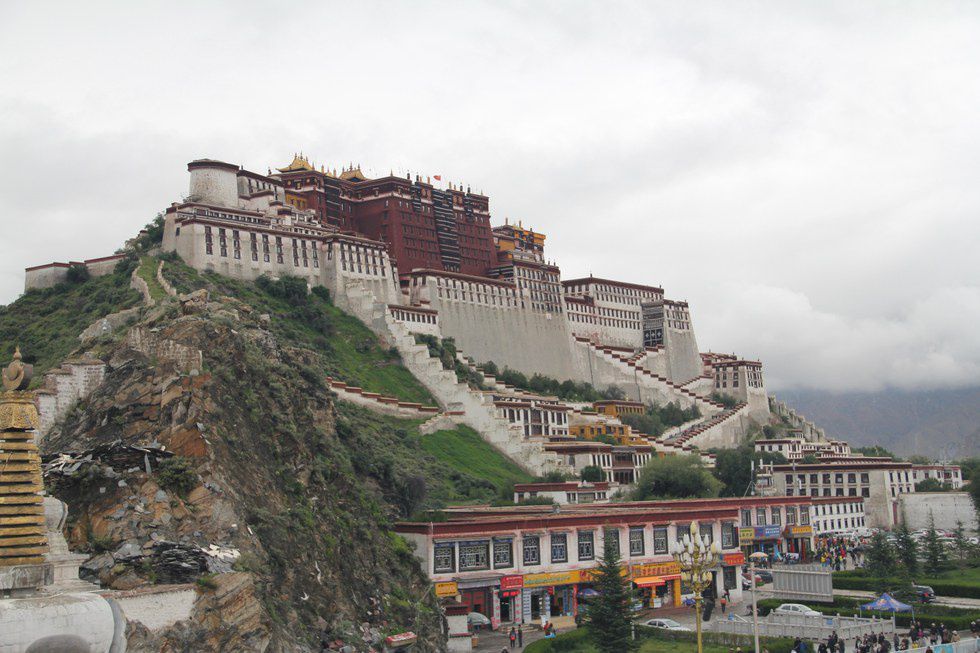
(Potala Palace)
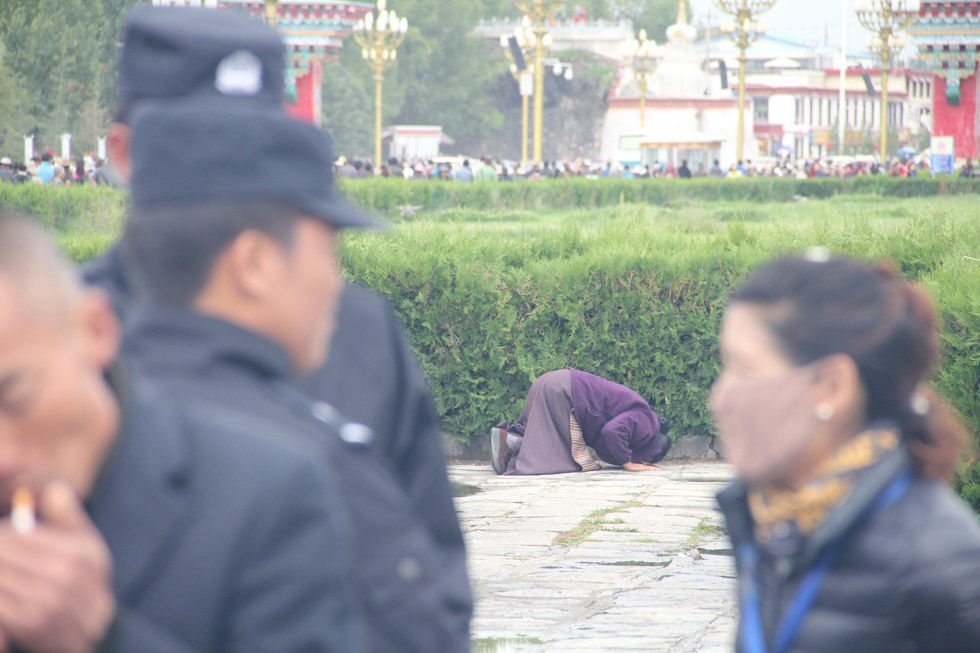
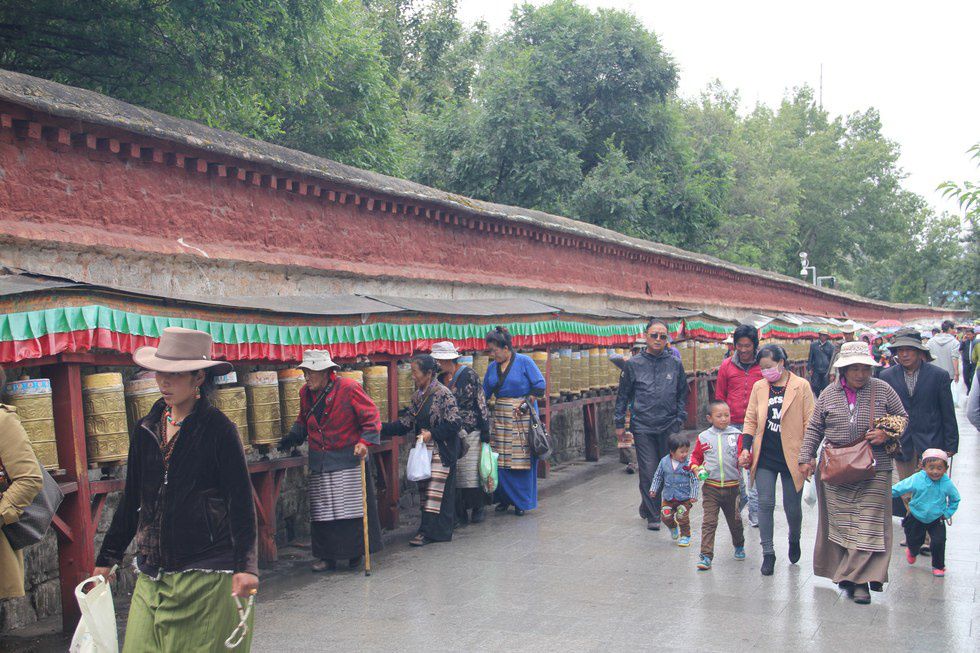
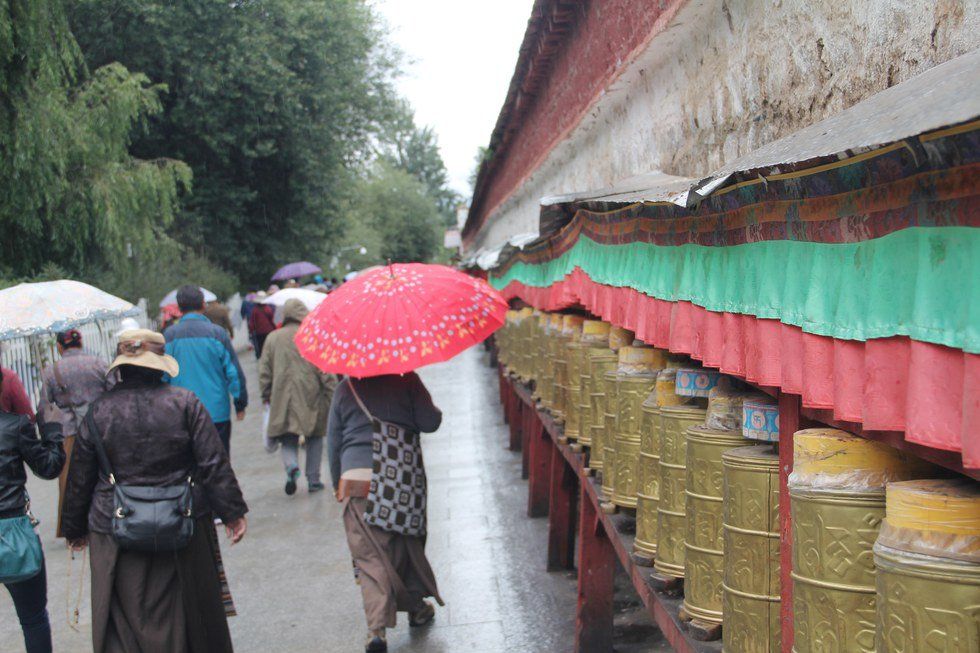
(People believe spinning the golden wheels will bring them health and wealth. )
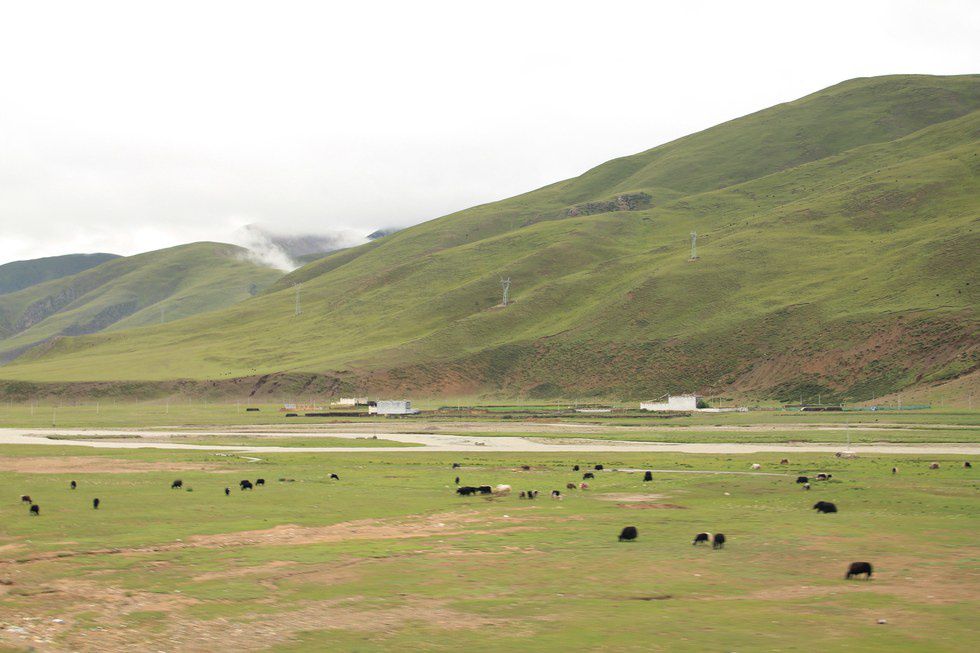
(Yaks were very common around that area)
The foods there are special. Because many immigrants there are from Sichuan, people in Lhasa also treasure the excitement of chili. Tibet also has its own flavor. Tibetan buttered tea is one of them. As its name, the tea is made from Tibetan butter. I tried the tea once but didn’t get used to its flavor. It just tasted like a salty liquid form of Tibetan butter. However, it is an important energy source to Tibetans. Just like I mentioned before, middle-aged or senior Tibetans would walk around Potala Palace for a day in order to pray for a better life and health. They never stop. Along the walk, if they feel hungry, they would eat dehydrated yak meat and drink Tibetan buttered tea. The tea provides a huge amount of heat to support such activity. Tibetans also like highland barley noodle. It tasted not much difference from other noodles, but people believe it is healthier. Tibetan sweet tea is also on their menu. Tibetan sweet tea is made from red tea, milk, sugar (and probably a little chocolate). It is actually a tasty beverage.
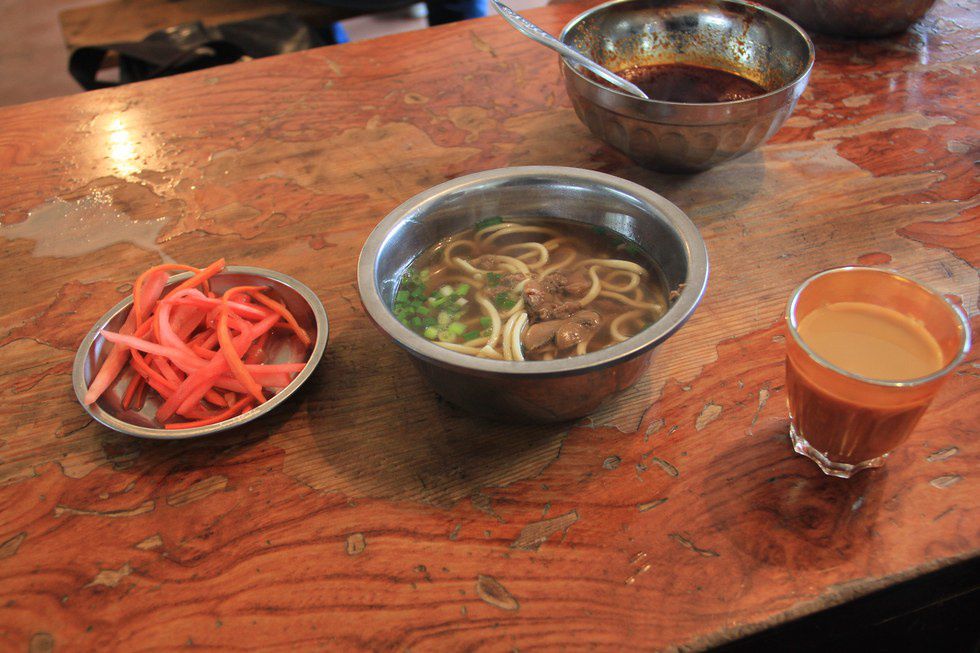
(pickled carrot, Tibetan beef noodle, Tibetan buttered tea)
Besides endless mountains, Tibet also has some beautiful lakes. “Na Mu Cuo” in Tibetan means “Na Mu Lake”. It is 5,000 meters above sea level and “Na Mu Cuo” attracts countless visitors each year. The melting snow forms numerous streams that flow down mountains each year and forms the lake. I have to say, the view was stunning. The water was so clean that you could see the bottom easily. The shadow of mountain reflects on the water; it also bounces along the water wave. Everyone has to stop and enjoy the gift from nature.
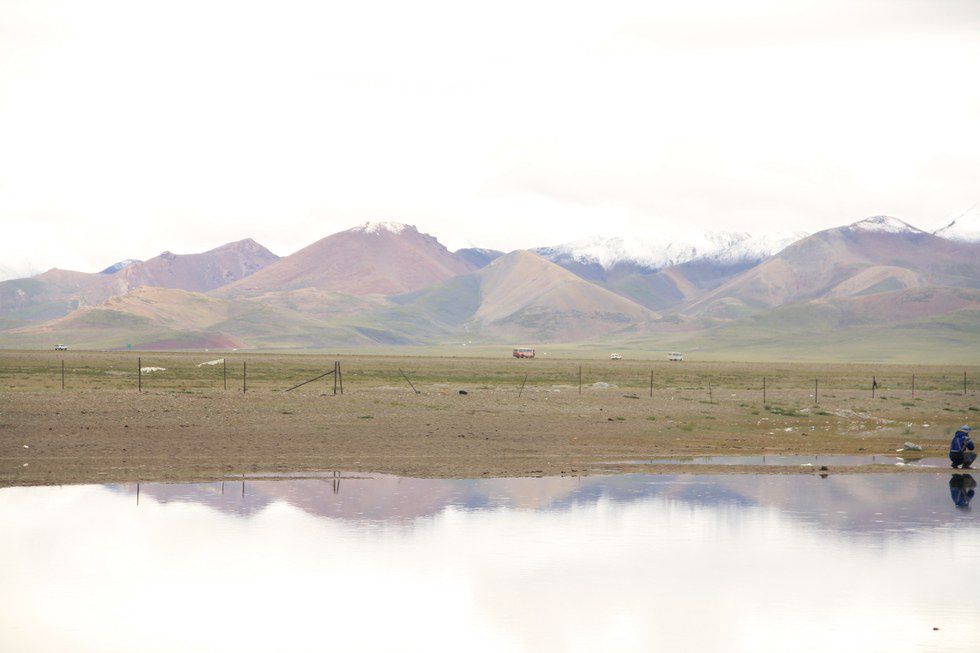
(Na Mu Cuo)
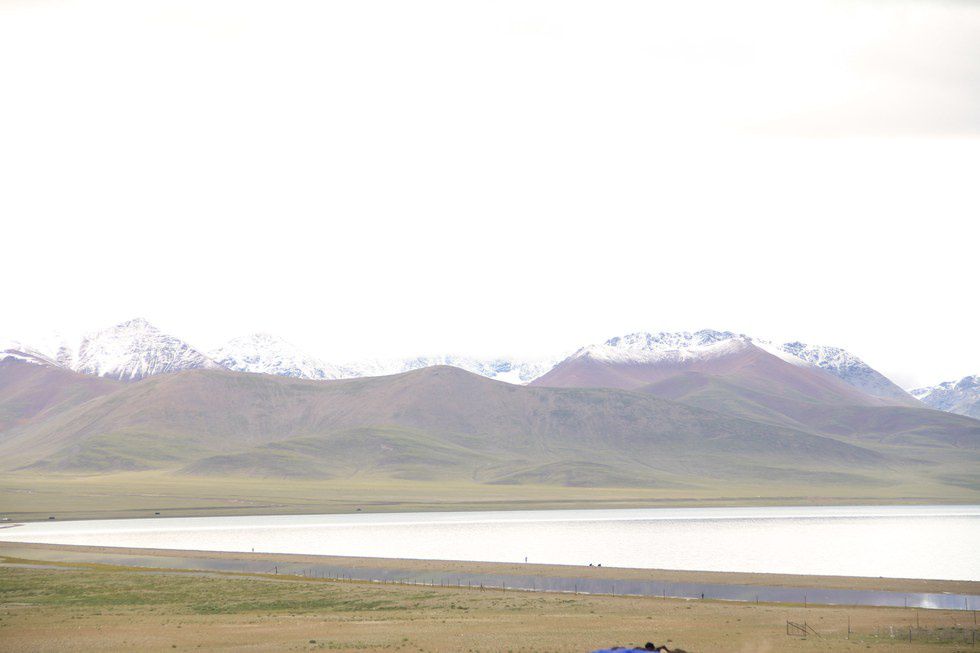
(Na Mu Cuo)
The nine-day trip to Chengdu and Tibet was incredible. I can’t find any place that can surpass the beauty of Tibet in my mind. Not only did I discover Tibetan culture, but also its gift from nature.
What is your memorable trip?