I sat in the living room of a house on the Chesapeake Bay, and I was crying silently. Around me were wounded veterans who struggled with PTSD and their friends and family. Men and women who gave so much, whose lives were turned upside down because of an unwavering love of freedom, congregated in this room. Never in my life have I ever felt so emotional, thankful and humbled at the same time. For someone who was only exposed to what these veterans deal with a year ago, it was a very powerful moment; one that will forever be remembered. I will remember that moment because after multiple events and a huge project on the subject of PTSD in soldiers later, it was the very moment that the idea of PTSD in a veteran became as real to me as it will probably ever get: Just because you can't see it, doesn't mean it isn't happening.
If there is one thing besides God that I know to be true beyond a shadow of a doubt is that our men and women who serve in the military deserve the highest of honors. These men and women sign their lives away to the United States' government because of some form of pride in their country, and they want to protect the freedom their country stands for. They deserve to be treated with the greatest respect, and sometimes people don't show veterans/ current soldiers the honor that is due them.
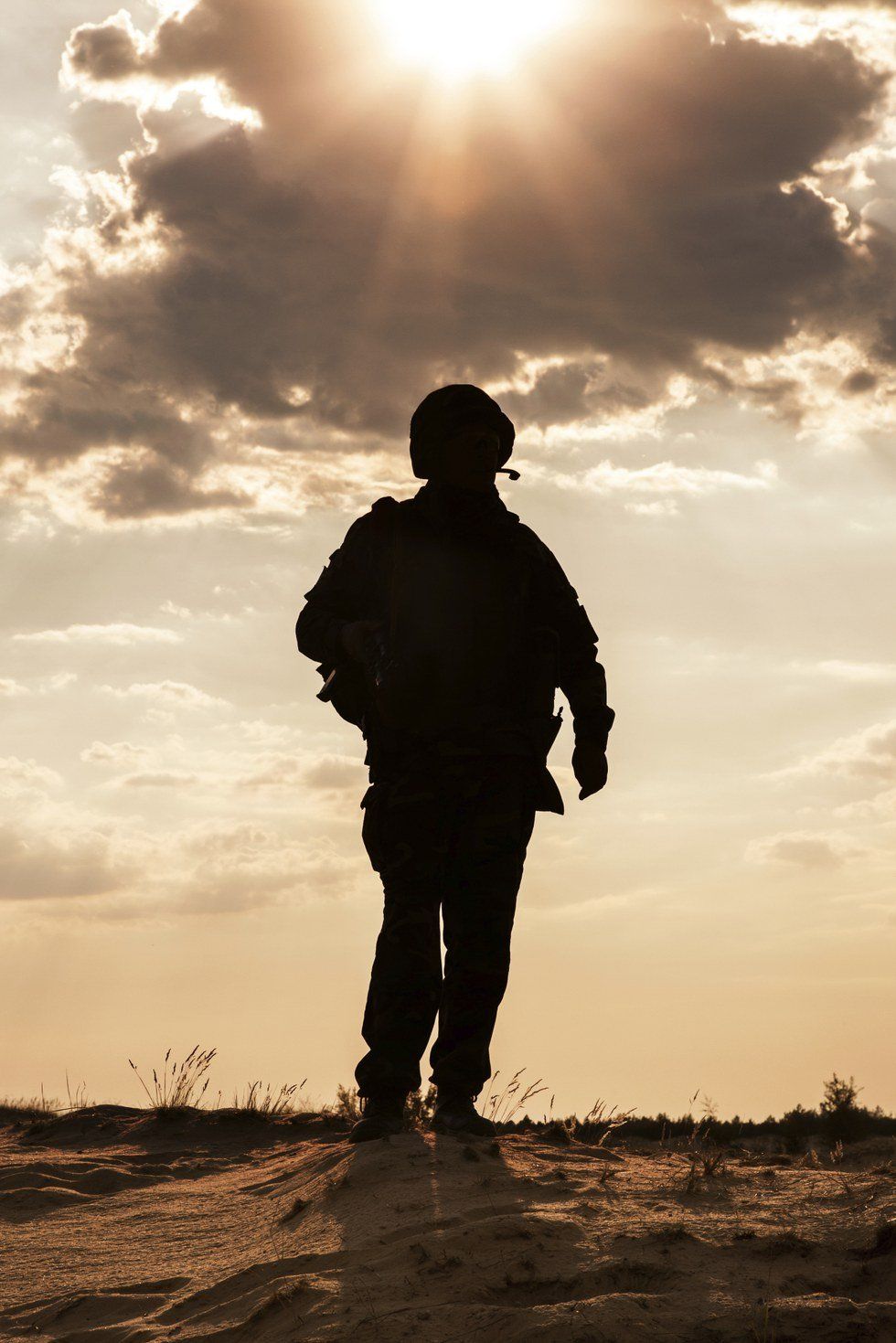
Many soldiers deploy and come home with physical injuries that everyone can see and understand. Then, there are those who come back from deployment and they look completely fine. Their injuries are unseen. It is called Post- Traumatic Stress Disorder (PTSD). According to the US Veteran's Affairs, between 11- 20 percent of all soldiers from the post 9/11 war suffer from PTSD every year. This injury is not a rare thing. It is pretty much an epidemic in the military community. The sad thing is that we as a society tend to overlook, and even sometimes look down on, the servicemen/women that suffer from PTSD because there are no physical signs. Please know that despite the lack of outward trauma, the injury is very real and very life altering.
I want you to understand that these men and women are not some sort of monsters. They are human beings. They have good and bad days. It's just that their bad days get a lot worse than our bad days. It's important for you to know that soldiers/veterans who suffer from PTSD can't just "wish everything to be better." A lot of people in society tends to think that because they cannot see PTSD that it will just go away. They tell these veterans "Oh, you will be fine!," but they have no idea what is truly going on. PTSD is not a "mindset" but a real injury that will not just go away.
Regardless of injury, these soldiers are no less human than they were before the war. They crave normalcy. Maybe now they want a different kind of normal but they still have that innate human need.
Their sacrifices for this country are worth so much more than just a thank you. As a country, we owe to our men and women who serve in the military to honor and respect their service in any way we can.
But despite the problems that these veterans face, there will always be hope for them. I encourage you, as an American and as a human, to research PTSD in soldiers and learn more about this injury. I also plead and encourage that you consider donating to one of the many private organizations that help wounded veterans.
I highly recommend donating to "Operation Second Chance." They are a non- profit organization that endeavors to assist with the immediate needs and cultivate relationships with wounded veterans and their families. They also attempt to bring awareness to the sacrifices made by our military.
You can donate online at operationsecondchance.org
Or through the mail at
20251 Century Blvd Ste. 130
Germantown, MD 20874