


I was having a conversation with a friend at my school the other day discussing our plans for the summer. He asked whether I would be staying at school over the break or if I was heading home. I started explaining, once again, that I would like to, but as an international student, there are certain things that dictate your freedom in a foreign country. Almost instantly he started smiling and brushing me off saying, “yeah, yeah if you wanted to you could.” So naturally, in my feisty nature, I had to break it down for him. I humbly reminded him of the differences in tuition, opportunity, in terms of job selection, and resource allocation by the university for international students.
Even after this he still responded with, “I still think it’s all about how hard you go after it.”
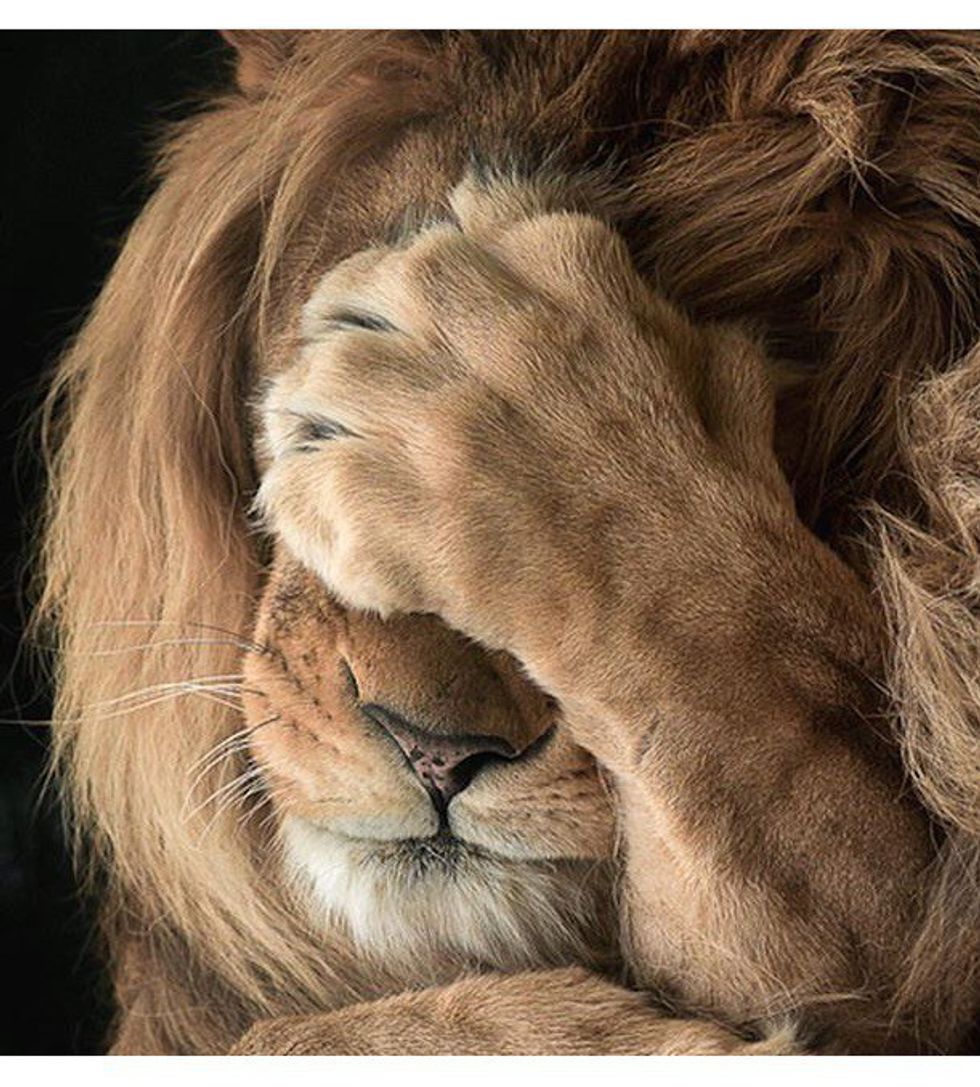
Really?
After having this conversation, I couldn’t help but ask myself, “was he intentionally being this insulting, or just plain ignorant?” I was livid. Not because his response was partially true; but because he disregarded the sum of the total reality. Then suddenly the actuality hit me. I was reminded that most of us live pretty mundane lives, in a relatively sheltered home and society the majority of our lives. As a result, this mental or cultural encapsulation overtime prevents us from being able to relate to what outsiders experience.
Plainly speaking, we are all born with some unearned privilege; at least to some degree. Unearned privileges are things that give us a bit of an advantage in society. For some, these privileges may be immutable, such as aesthetics and outward appearance. For others, they may be more socially intricate privileges, such as socioeconomic class and status. Regardless of which form we possess them, they’re granted to us, no effort, no asking. As a result we rarely, if ever, stop to examine the factors that could potentially contribute to a very tiring process for someone else. Our unearned privileges are not meant to be ashamed of. They are no product of our own. However, we should aim to be aware and sensitive to the diverse nature of privilege and hardship.
In addition to our unearned privileges, another fact which makes it difficult for us to relate outside our comfort zones is our very limited experience with actually being outside of our comfort zones. I would imagine that not very many people can relate to being marginalized by society because of a religious preference, sexual orientation or disability status. I can still recall the initial stages of assimilating my way back into society with my wheelchair. My social interactions with people were very different. On the inside, my personality had not changed; outwardly however there was a visible transformation. It is our lack of experience with personal exclusion that sometimes makes it even just a bit harder to relate with external hardships.
To have at least one experience in our lifetime that affords us the opportunity to step outside of ourselves and examine life from someone else’s perspective would dispel a tremendous amount of ignorance that hardships are only pools deep. As I said before, our privileges and experiences are not meant to be ashamed of, but rather used as a tool to enhance our thinking about the diversity of adversities.
















