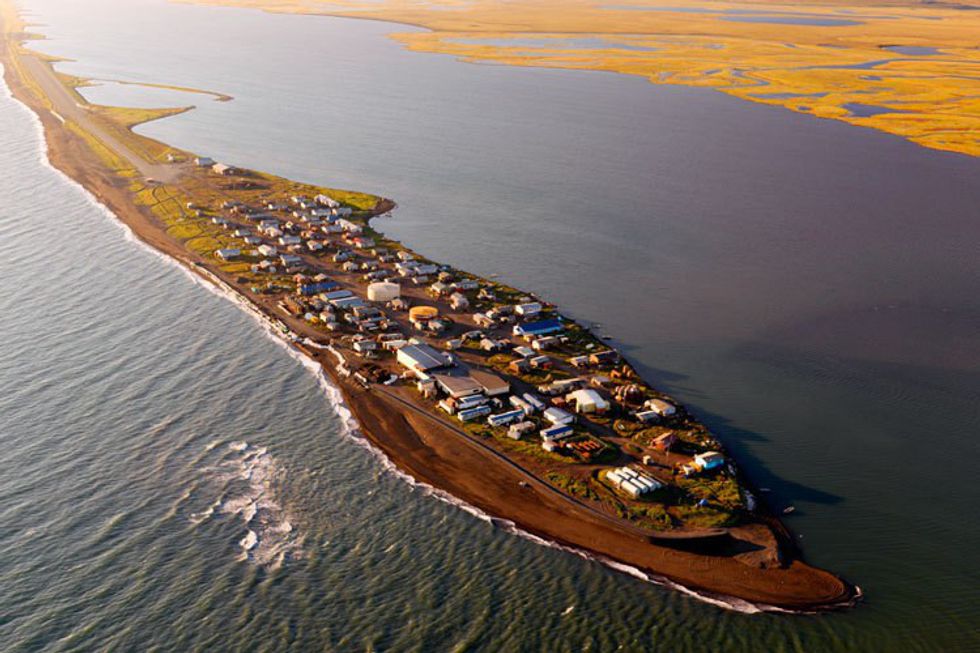
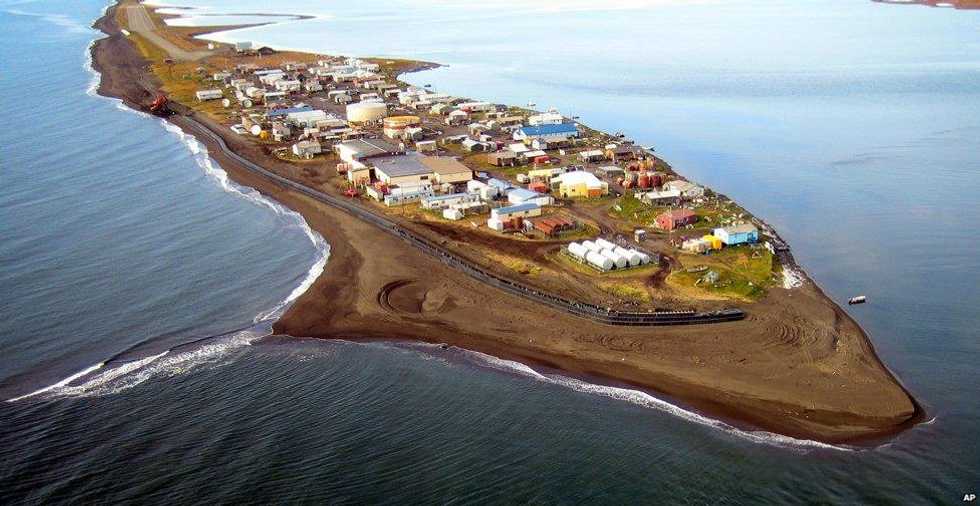
Along the Chukchi Sea, there is a small, isolated community that few have ever heard of. In this little city of Kivalina, Alaska, around four hundred Inupiat Natives have been forced to make their homes. According to The Washington Post, “A 1906 Interior Department report records that $50,000 was appropriated for the “education of natives in Alaska,” leading to the construction of 26 schools, including one at Kivalina…the establishment of government schools led to the “consolidation” of previously mobile hunting and fishing communities in larger, stationary villages, like Kivalina”. These people currently live in tightly cramped houses, and most of these houses don’t even have running water. However, these people have managed to create homes and lives for themselves throughout the hard times that they have faced.
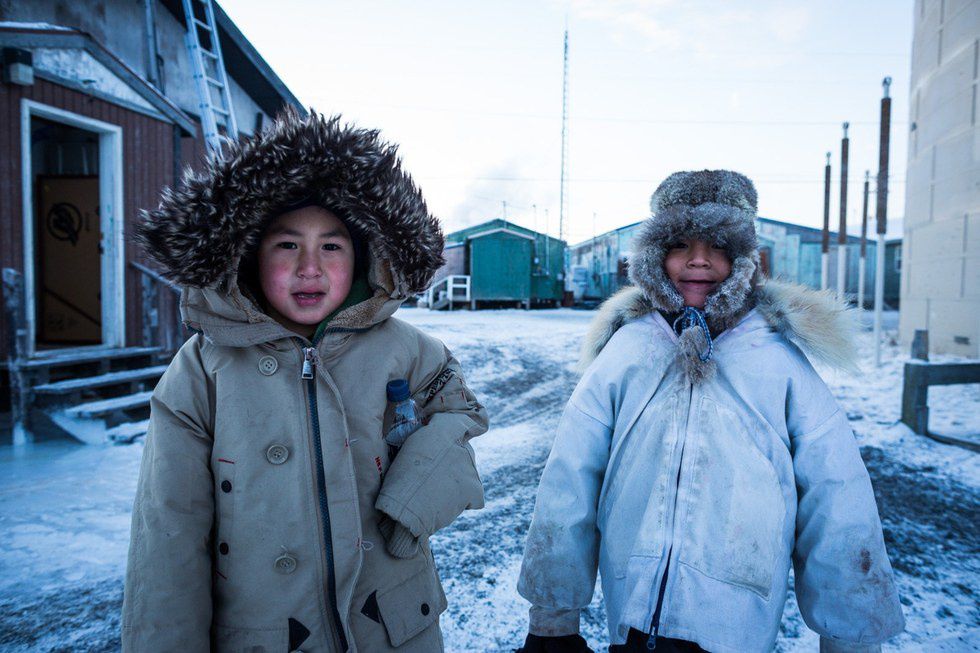
Their homes will be gone in ten years.
Everything that they have worked to create, and earn will be gone.
The sea will have swallowed it all.
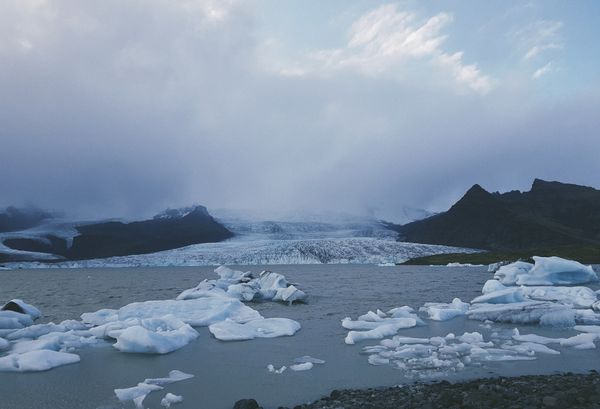
Recently, the ice in this area has become so thin and melted away because of climate change that the people can no longer hunt for the whales that once were their main food source. But it’s not just the hunting that is being affected. Because the ice around the city has melted, the little outcropping of land that the Inupiat’s were forced to reside on is constantly being hit by the artic waves of the ocean. It is estimated that the barrier island will be completely gone by 2025.
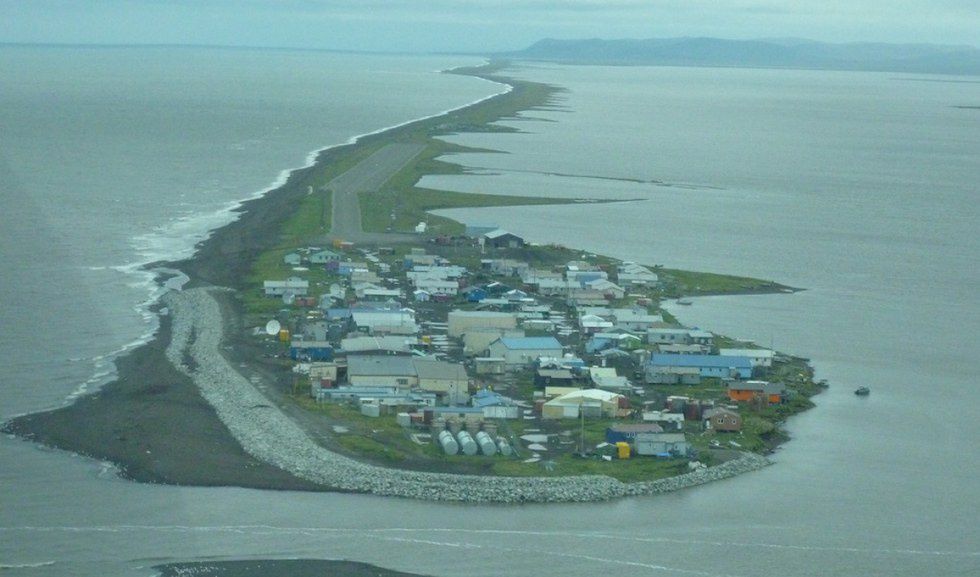
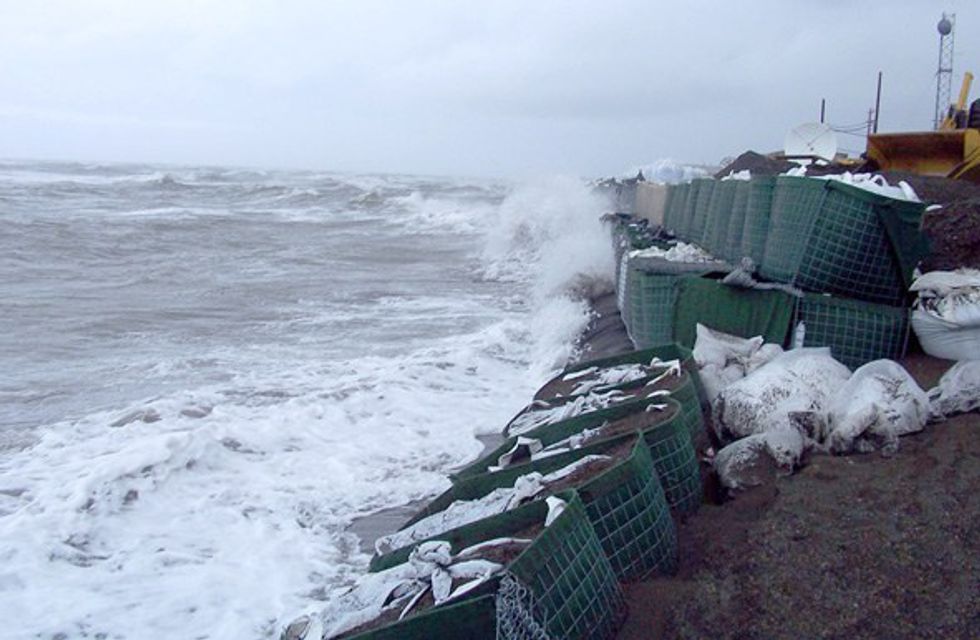
So where do these people go? This is the problem that no one seems to be able to answer. “There’s no government agency that has the responsibility to relocate a community, nor the funding to do it,” says Robin Bronen, a director of the Alaska Immigration Justice Project, a human rights group, and a senior research scientist at the University of Alaska Fairbanks. “It means that for communities like Kivalina, they don’t know what steps they need to take to get which government agencies involved”. The people of Kivalina feel that the government should help them to relocate, since it was the government that put them on that land in the first place. However, when the natives asked for aid, they were told that there was a lack of funding for relocation of this type. Instead, the government set up a rock erosion barrier, which is a temporary fix to a permanent problem.
It is still up in the air as to what will become of this community. A community of whale hunters who survive and thrive in conditions that many people would consider un-livable. A community that was plucked by the government and told where to live. These people still have an unsure future. Soon their traditions will be ruined, and their hunting practices will become impossible. The water will rise and destroy everything that these natives hold dear. But their story will be told, again and again, until someone is willing to help the people whose city is sinking into the sea.