

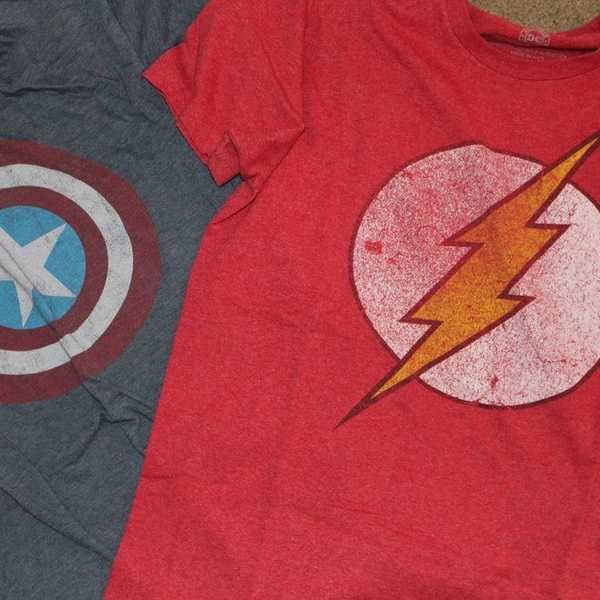
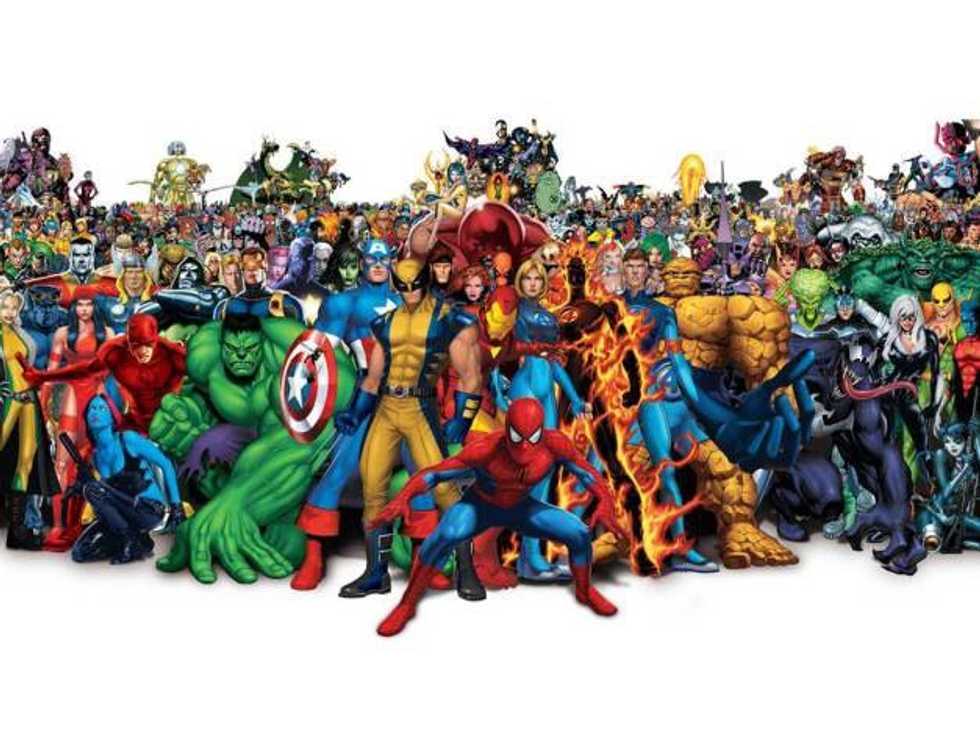
Marvel’s Ant-Man is set to release this Friday, finishing Phase Two in Marvel’s Cinematic universe and Phase 3 set to begin in 2016 with Captain America: Civil War. Netflix has just begun it’s Marvel Universe with "Marvel’s Daredevil" and "Marvel’s Jessica Jones" releasing this year. Meanwhile DC just started it film universe with Man of Steel (2013) and will continue to build upon it in 2016.
In TV, DC is creating another universe with its crossover shows like "Arrow" and "The Flash" while Marvel’s "Agents of S.H.I.E.L.D." takes place in Marvel’s Cinematic universe. Even comics from somewhat lesser known publishers like "The Walking Dead" and "iZombie" have found its way onto mainstream entertainment. To most comic book fanatics all this momentum toward the big and small screens is thrilling, but it also comes with a bittersweet realization. More people are taking the shows and films at face value instead of tracing back their favorite heroes to the source.
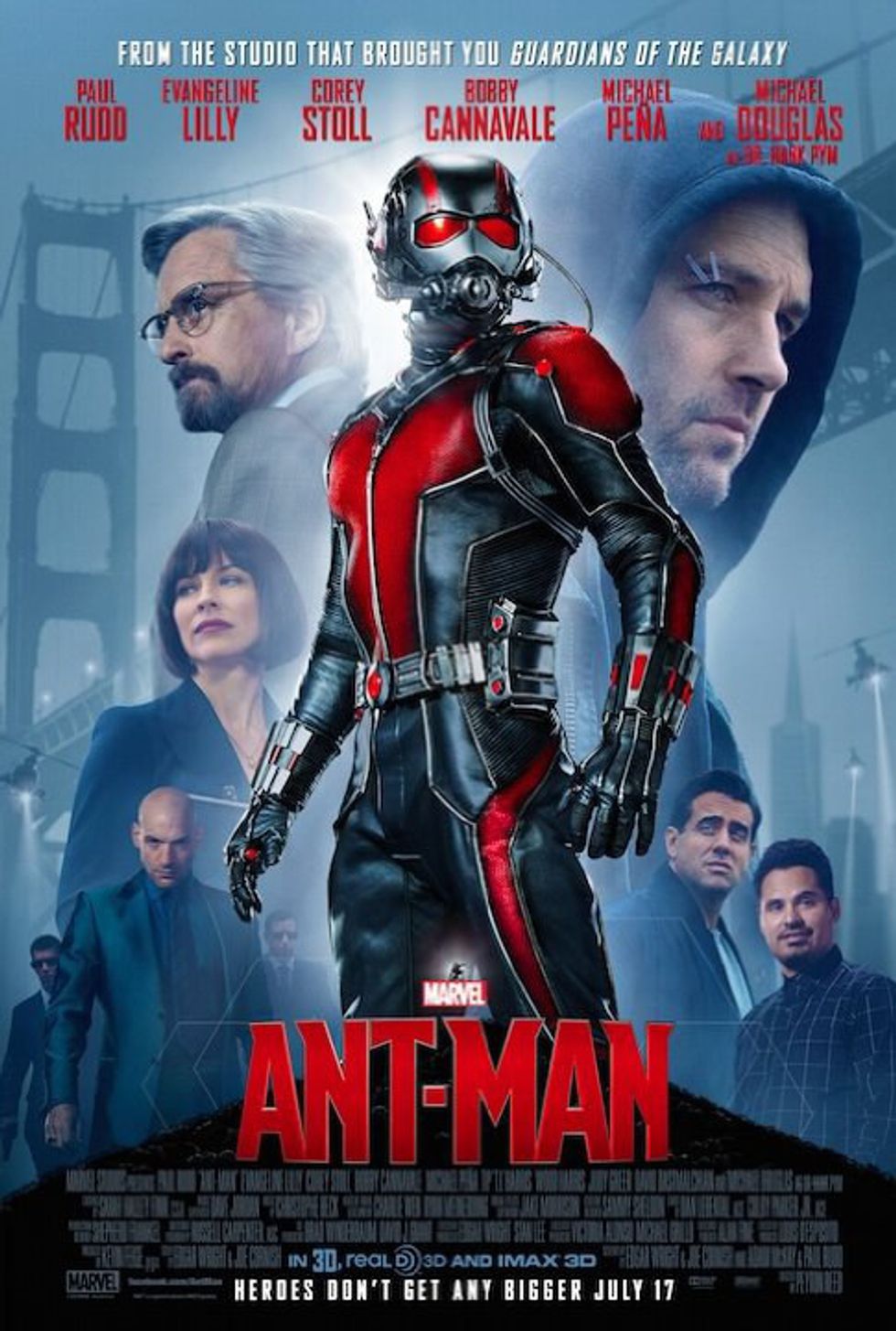
The cinematic universe seems to have become the main story for the new generation with few going back to the comics to see how it all came about. Meanwhile comic book readers wince at inaccuracies made to origin stories and story arcs. For example, Ultron was actually created by the hero Hank-Pym, the original Ant-man, and not Tony Stark, which for the purposes of the films was changed. However, the origin and creator of Ultron is a pivotal part of his character in the comics. Not only are origins changed but the scope of the conflicts are so much larger and juicier in the comic book universe.
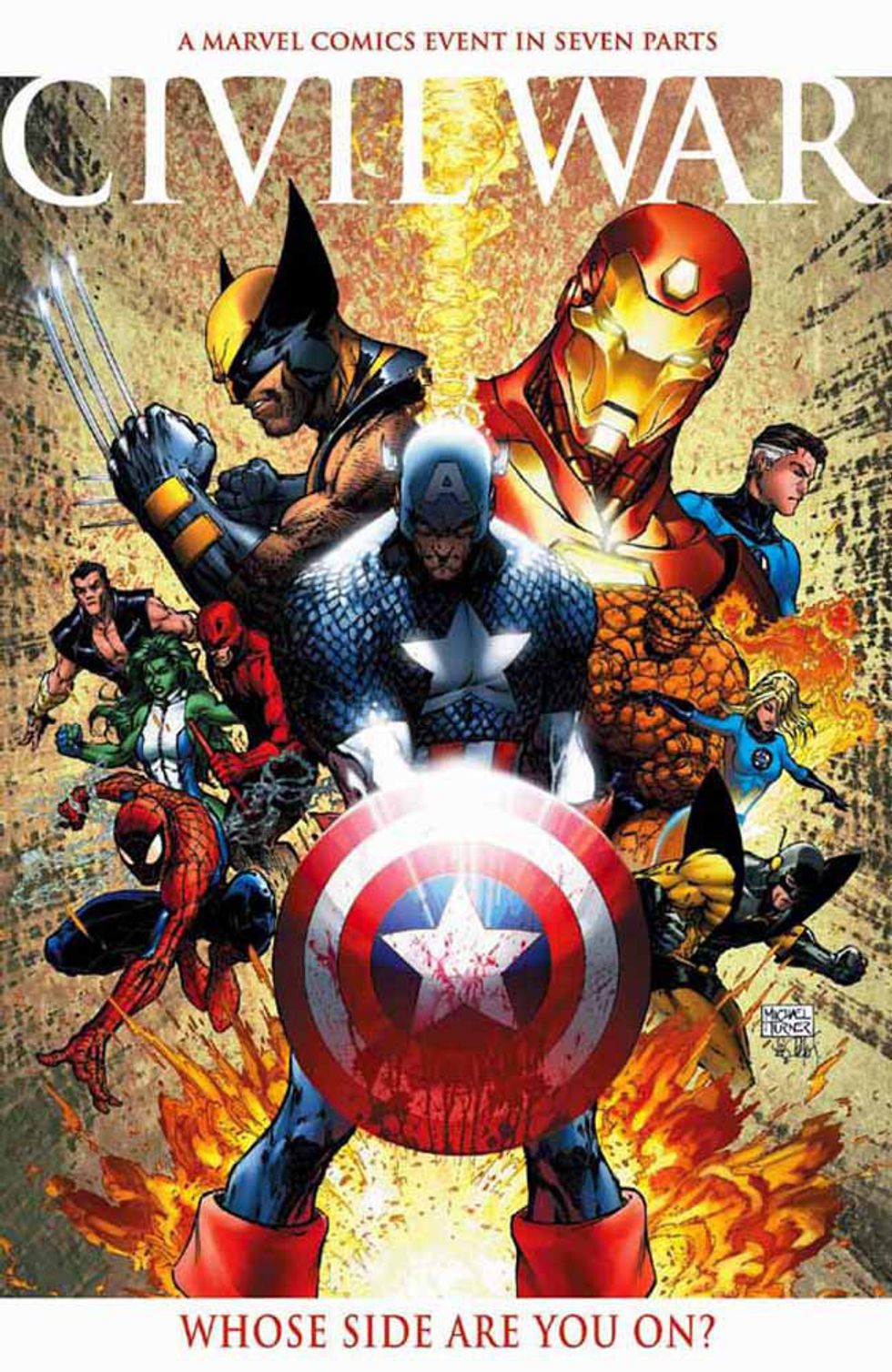
Phase 3 of the Marvel films kicks off with Captain America: Civil War which plays off the Civil War crossover storyline that sent waves through the Marvel universe. However, movie-goers will miss out on the impact it had on characters without movies and lack the depth of history behind it. People probably feel less incentive to read the comics knowing the “latest” is bound to come out in a film just around the corner. It is a shame that people who call themselves superhero "fanatics" nowadays tend to rely on the cinematic and TV universes to justify their enthusiasm because there are rich stories and beautiful artwork to uncover.
Regardless of the side effects, there are still a lot of positives from the exposure of the comic universes. All the attention on comic heroes on the big screen has enticed various productions to seek rights for comic book adaption. Having multiple studios putting out films allows film production expand to characters, like Ant-man or the Guardians of the Galaxy, that may not have gotten the chance to go to the big-screen otherwise. Not only that but characters who have lost momentum in the comics like Doctor Strange yet have a movie upcoming increase demand for a new comic book series (I am eagerly awaiting his new series starting this fall).
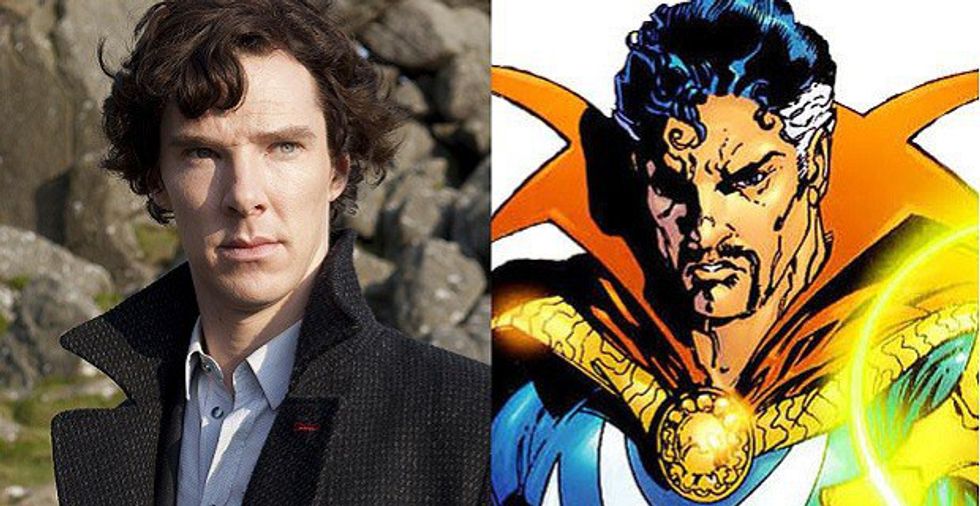
A similar thing is happening with DC series and Marvel television series. Lesser known characters like Green Arrow and Supergirl get their chance to shine and sometimes result in a comic-run based on the show. And, of course, it is always exciting to see classic heroes and universe in all its live-action glory being played by recognized actors. (I still can’t believe Benedict Cumberbatch will star as Doctor Strange!)
Comics books are so much more than “junk” literature; they deserve attention both on-screen and in paper. There are whole worlds to read, characters to love, and films to anticipate. As a matter of fact, they were so important in my life that I wrote my college essay on them. I implore everyone to try read a comic book. Try one from your favorite hero on screen or something completely random (I recommend Saga) but either way you'll never know how much you might enjoy it.

















