

“For him.”
“For her.”
“Think pink!”
“That’s a boy’s color.”
“That’s too girly.”
“It’s blue, it’s for men.”
WHAT??!!??
What is a “boy’s color”? What makes a shirt “too girly”? Is it because using or wearing something intended for a specific gender will, in fact, reinforce the gender? Will it change the gender of the user?? WILL IT GIVE THE USER FEATURES OF THE INTENDED USER’S GENDER???
No.
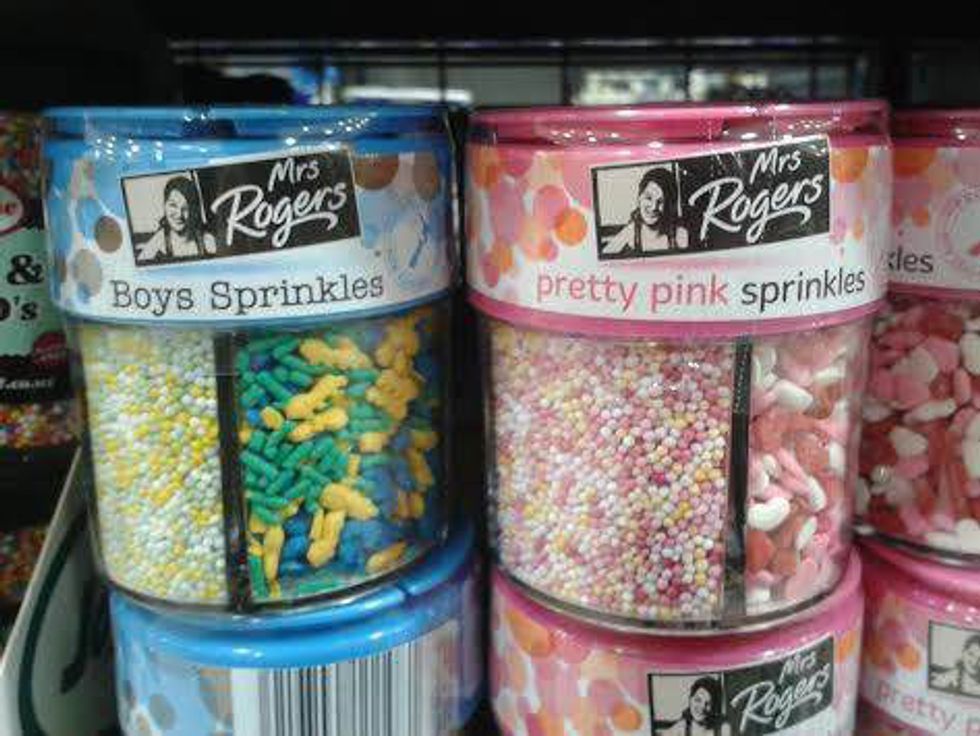
What it will do is further divide the discussion on gender. Some experts believe that “gender” is nothing more than a marketing strategy, as well as a human-made idea that satisfies a social need to classify and divide. Ideas of gender are used to sort information based on human sexuality, tendencies, and anatomical/psychological findings. What it also dictates is how a person’s sexuality, sex, and desires are perceived. This is where ideas of gender falter. Gendered products have consumed the minds of consumers, the marketplace, public institutions, government, religion, and social experiences. So, what will happen if someone uses a product not intended for their identifying gender? Here are a few products that have been called into question as to why they need to be gender specific:
1. Sprinkles
2. Candles

3. Organic tea

4. Ear plugs

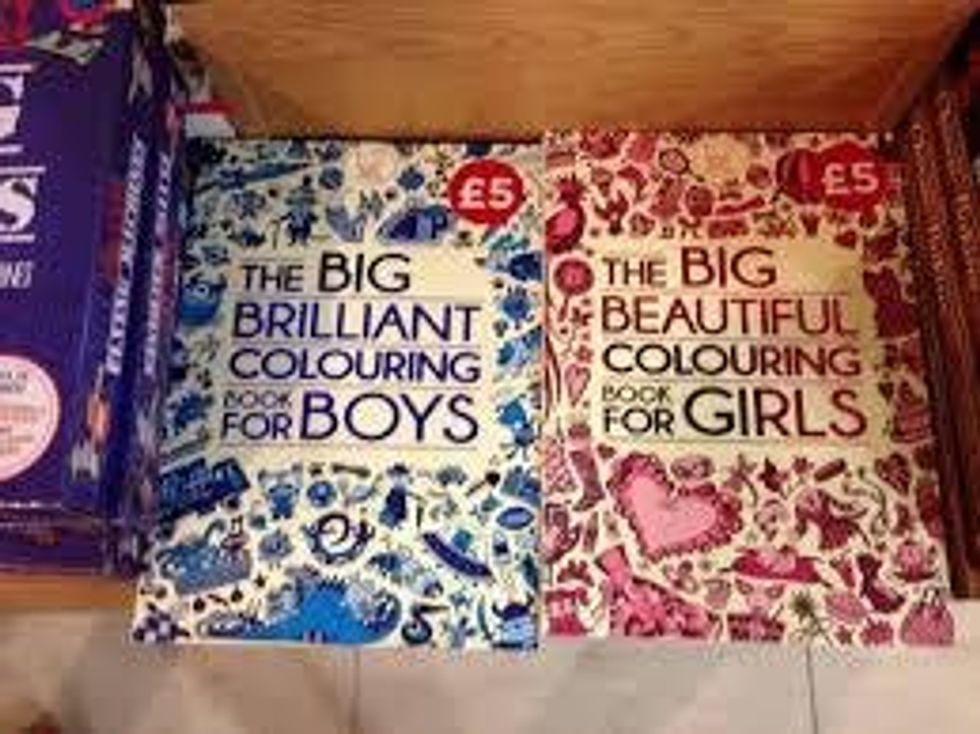
While all of these are laughable and seen by most as unnecessary, some gendered products can be quite harmful to society especially when marketed towards young and developing children. Today's social norms teach young girls and young boys to strive for different things, and act certain ways.
It also shames them if they do not follow accordingly as if society fears that children will grow up to be independent thinkers with well-rounded personalities and a true sense of knowing who they really are. Certain products have been created to reinforce the gender stereotypes and expectations for youth.
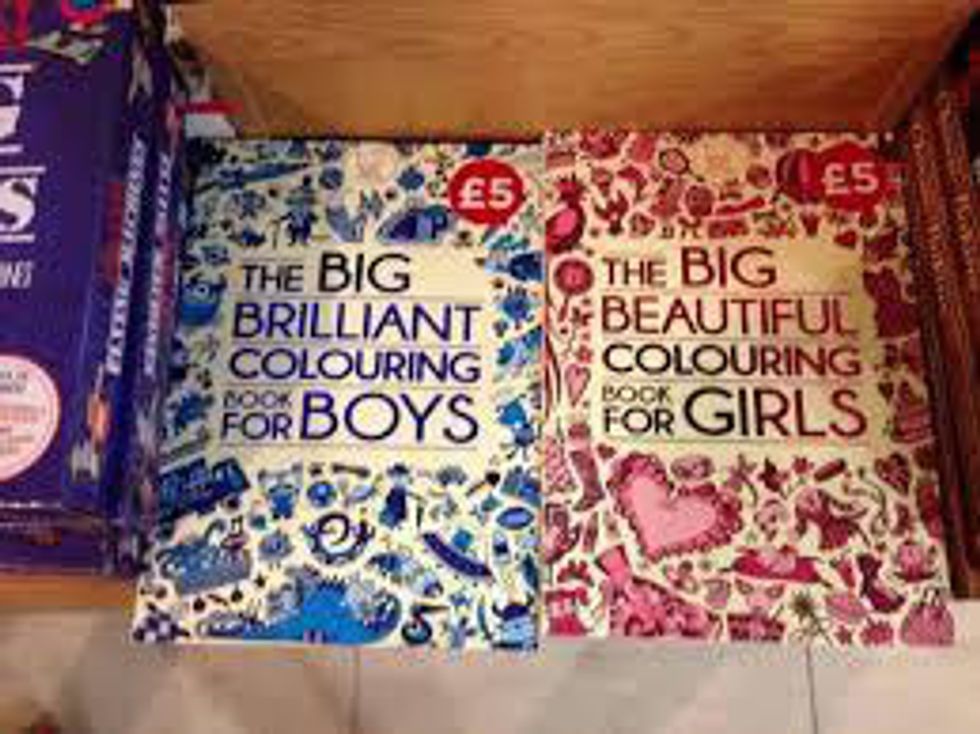
1. Activity books
2. Education techniques

3. Toys and entertainment

Some of this harmful propaganda can be attributed to genders being portrayed as weak or strong. This leads to fragility of genders because it creates fear of breaking such a norm. It instills fear of scrutiny by followers of these gender stereotypes.
Therefore, people growing up identifying as a "girl" must follow a certain track of norms and expectations, and the same goes for people growing up identifying as a "boy." This does not even include the struggle endured by people who identify as "agender" or "no gender."
Gendering products in today's society is unnecessary. It creates stigmas, unruly expectations, and further division within society. Gender can be beneficial when classifying scientific findings and some official legalities, otherwise, it is best to leave it out of the markets and the minds of the consumer.
















