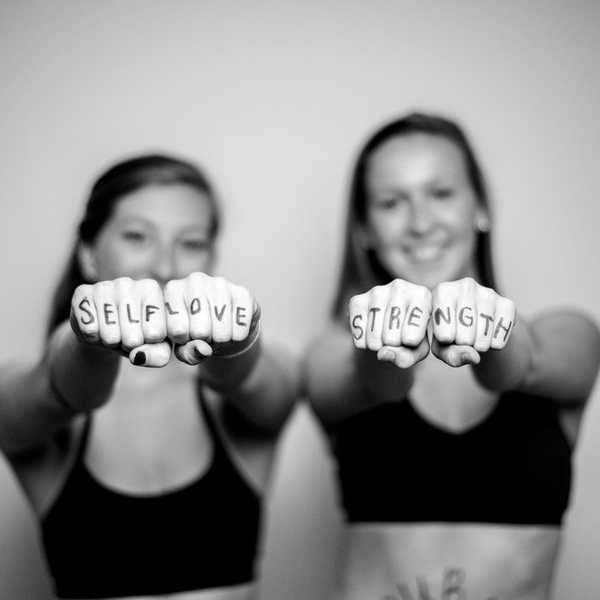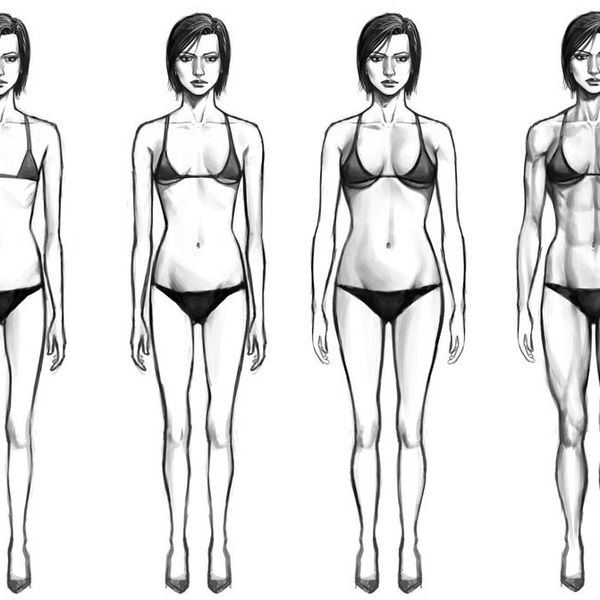

Nowadays, there are no perfect bodies. A beautiful body in one person’s eyes is too “fat” or too “skinny” in the eyes of another. The negative connotations of these two adjectives are cringe-worthy. After years of debate over the low BMIs of models appearing on ads for Victoria’s Secret or the covers of People Magazine, these companies began featuring plus-sized models to demonstrate that beauty comes in all sizes. However, arguments are now developing over whether or not this new marketing strategy is instead promoting obesity. In a society where “beautiful,” “fat,” and “skinny” are used to describe the same person, how do we decide when we have reached a body weight that is just right?
Many set standards for beauty based on role models they consider to be attractive or sexy. While this approach is motivational for weight loss or gain, it is also important to consider the health of the role model and the individual’s body type. A weight significantly above or below the clinically defined healthy BMI range can pose a danger to a person’s health, with potential problems as severe as heart malfunctions, difficulty conceiving a child, or diabetes. On the other hand, since healthy BMI ranges are based on common body types and muscle-to-fat ratios, those with differing body types or muscle mass may fall into a completely different range of healthy weights. Also, along the same lines, an individual’s body type may be so different from that of a role model that achieving the role model’s “ideal” body may be nearly impossible though changes in weight or fitness alone.
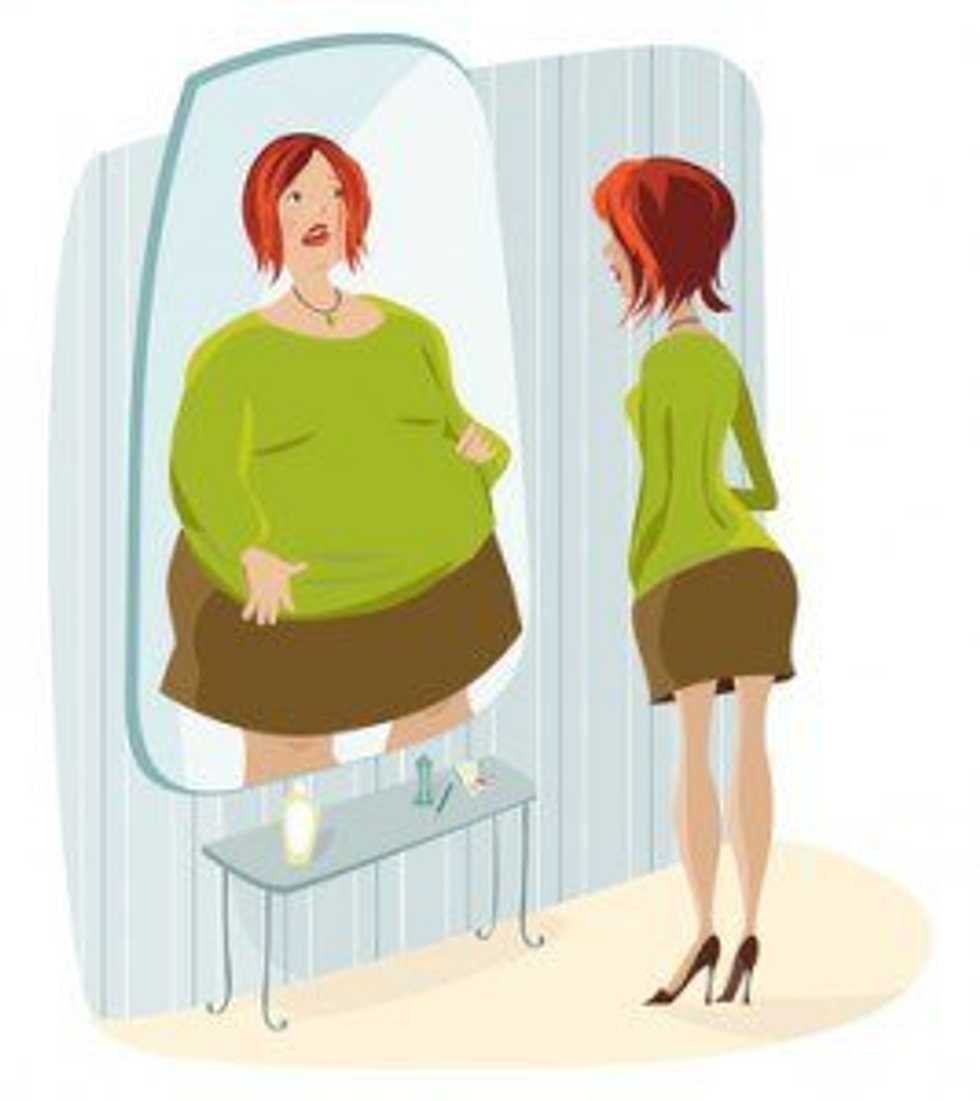
As role models in beauty may set unachievable standards for many, one alternative is to focus on self beauty. To do so, it is vital to ask yourself the right questions. Do you feel healthy at your current weight or fitness level? Regardless of what others tell you, what do you truly wish to change about yourself? When it comes to the opinions of others, it is best to focus on the positives because often, the negative comments may be in reference to the same aspects that are viewed positively by others. Standards of beauty differ from individual to individual, so it is most beneficial to focus on your own personal standards, as long as they are achievable and not debilitating to your body. As such, since standards differ so much from person to person, enforcing personal standards on others will only add confusion and hurt self-esteem. Lastly, since unhealthy or unachievable standards can develop, it is essential to see a doctor to ensure that the lifestyle to achieve these goals is not endangering health.
It is difficult to achieve a body that is “just right” when the opinions of those around you may not mesh so well with yours. What matters most is your health and how you feel about yourself. Happiness comes from within, so there is no use in devoting energy and time to fulfilling anyone else’s beauty standards but your own, as long as a doctor can assure that your health will not decline. In the end, a body that is “just right” is one that makes you feel happy and healthy.