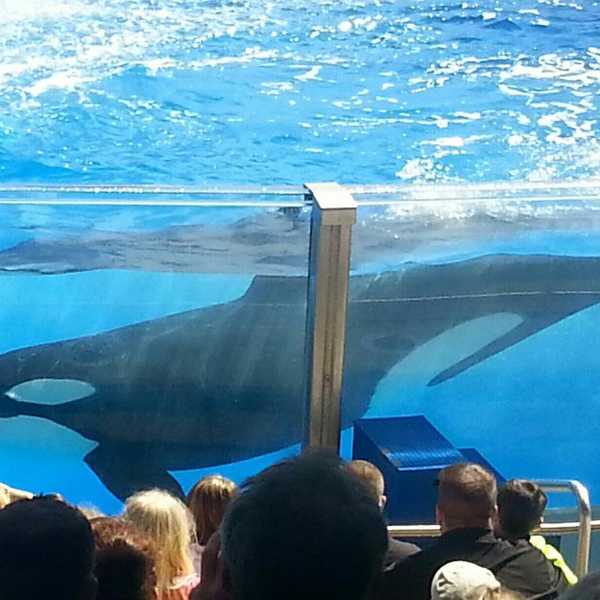
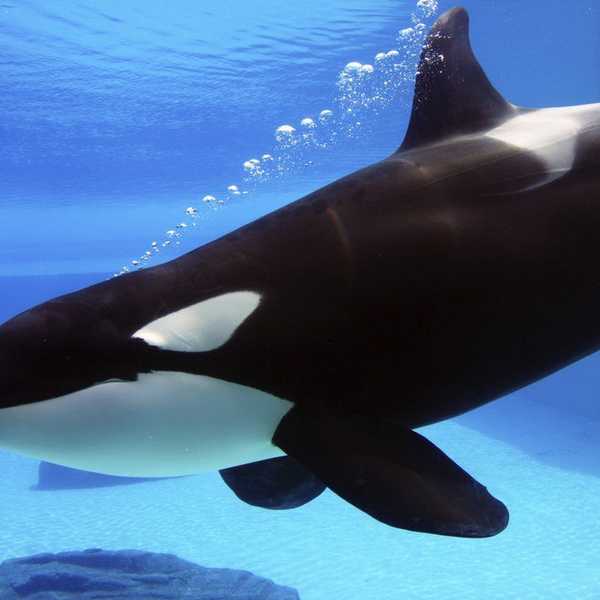
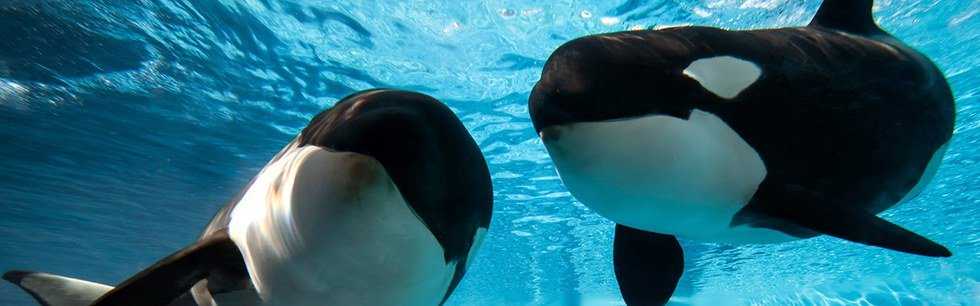
As of 2016, SeaWorld has announced its plan to end Orca breeding after more than 50 years in business. According to Sea World Cares' website, this “historic” new vision also includes the creation of natural orca encounters and new partnerships. SeaWorld claims that Orca whales are “among the most beloved marine mammals on the planet thanks, in part, due to the inspirational encounters we’ve provided to more than 400 million guests.” SeaWorld can also thank the eye-opening 2013 American documentary, "Blackfish" for the 13 percent drop in park attendance, after exposing the deadly consequences of keeping killer whales in captivity for entertainment purposes.
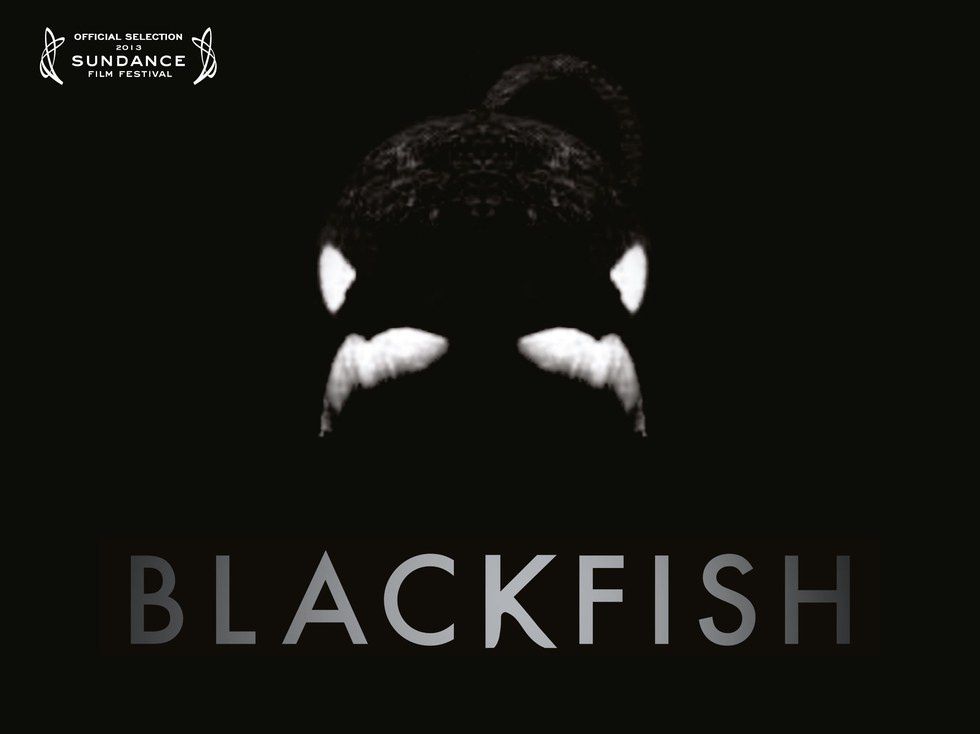
Though SeaWorld prides itself in allowing guests to, “take action to help protect wild animals and wild places,” why has it taken the billion dollar company 50 years to see the harm in keeping whales in captivity? Just as history has shown time and time again, this question can simply be answered by one word: money. The company also came under fire when a 103-year-old Orca was spotted in the wild. This was detrimental to SeaWorld only because its website claims that its killer whales live as long as those found in the wild. This claim is interesting, only because the average life span of an orca at SeaWorld is a measly 13 years.
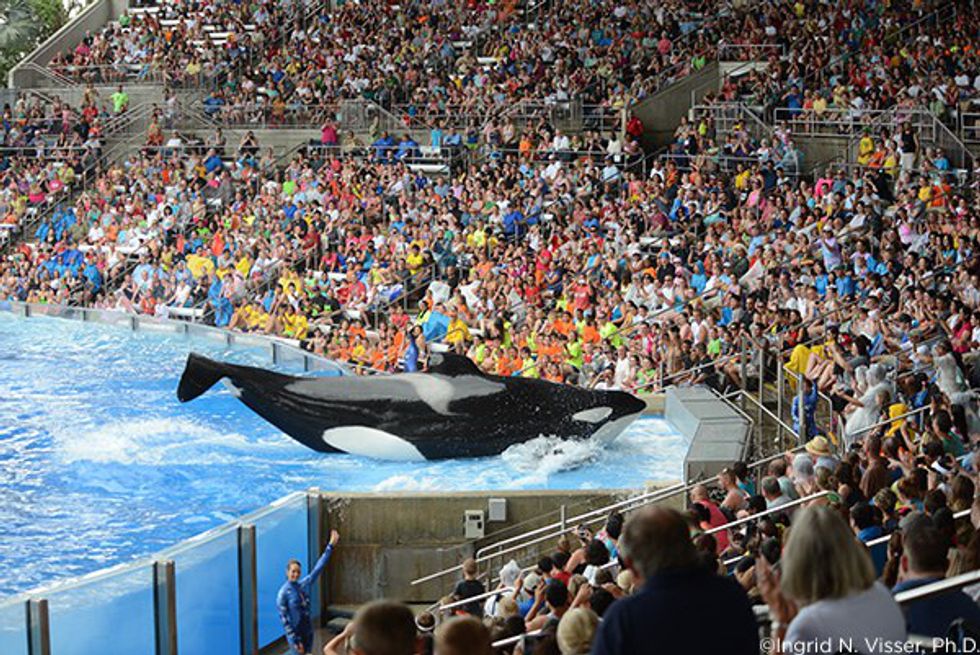
Even though SeaWorld is finally moving in the right direction, it should never have taken the negative press from a documentary to spur change in its ways. Although, the end of orca breeding marks the end of SeaWorld’s exploitation of orca whales for commercial gains, what about the whales that are still in captivity? SeaWorld plans to introduce the public to a new “natural” form of entertainment. By taking the theatrical aspect out of their killer whale shows, it will focus on the way in which a killer whale would act in the wild. The website explains how SeaWorld plans to redesign the pools in a more naturalist setting. This “exciting transformation” will first be featured in their San Diego Park in 2017, and their San Antonio and Orlando parks in 2019.
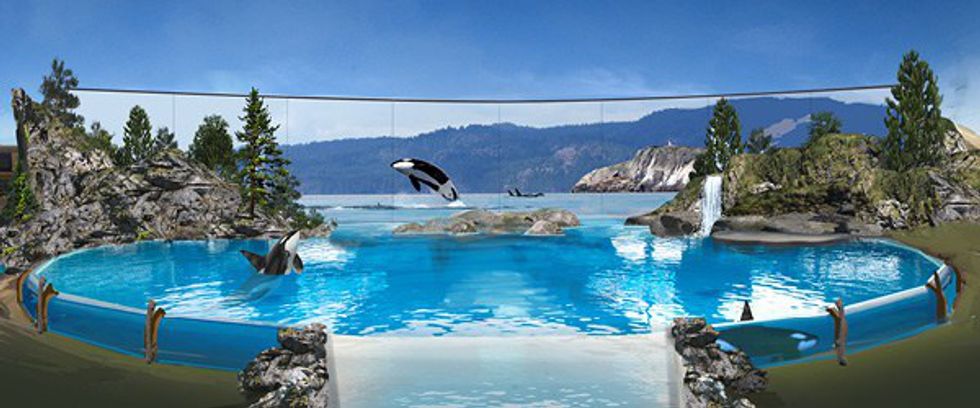
When watching the video that explains how the park plans to create this natural setting, all we see are a couple of rocks and a fake background of the wild. This approach to creating an environment for the orcas that reflects the wild is almost comical. You cannot just slap on a fake background of rocks and trees and act like you are creating the same environment that an orca would experience in the wild. Furthermore, these whales do not and will never know what it's like to live in the wild because captivity is all they have ever known.
We know that this change is more for the sake of SeaWorld’s image rather than the overall well-being of their Orcas because if they truly cared, this change would have taken place a long time ago. With their youngest Orca, Amaya, only being one-year-old, unfortunately, it looks like we will still be seeing a lot more of SeaWorld and their overpriced whale watching. Overall, there is nothing natural about SeaWorld’s plan to change the physical appearance of their swimming pool-sized tanks -- but whatever helps you sleep at night, SeaWorld!