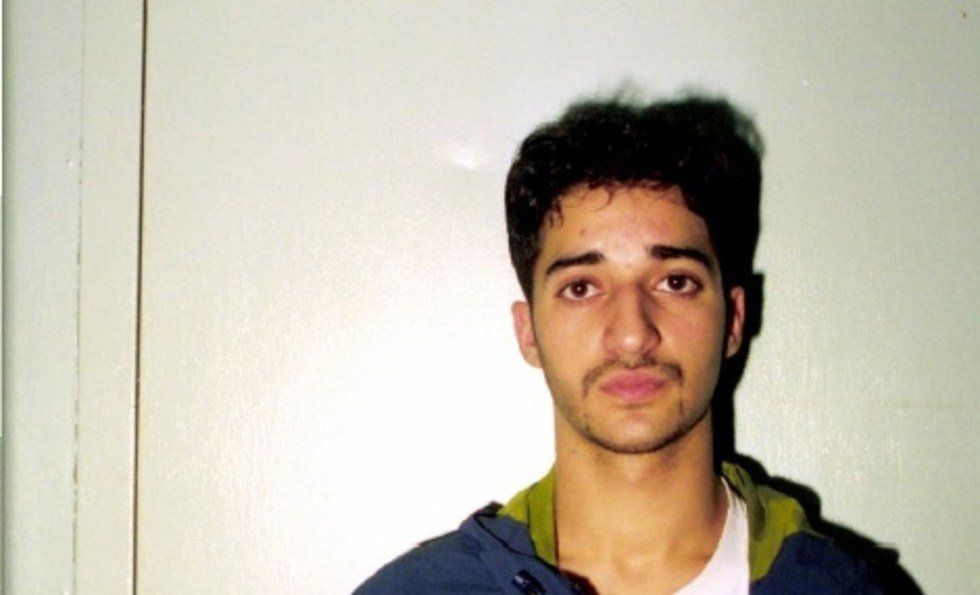
Around this time last year I discovered that I thoroughly enjoy listening to podcasts and this led me to stumble upon the first season of Serial, which I could not get enough of. According to time.com, it is one of the most frequently downloaded and streamed podcasts. I spent hours upon hours listening to the twists and turns of the story of Adnan Syed who was convicted and sentenced to life in prison in 1999 for the murder of his ex-girlfriend, Hae Min Lee. Generally I prefer to steer clear of any movies, podcasts, or books that are about real-life murder mysteries. I find myself covered in goose-bumps and am also continuously haunted by the stories in my dreams. This one was different though.
Sarah Koenig, the journalist and executive producer of Serial dissected the case and made it her mission to learn more about the reality of what happened. Was Syed actually guilty? Or is it possible that certain important underlying pieces of information were skewed to make others simply believe that he was? As Koenig dug deeper and deeper into the nitty gritty facts of the case, tracking alibis down and conducting various interviews, she began to realize that there was in fact a possibility that Syed did not kill Lee.
This podcast has been the talk of many media outlets and continues to show up in various news sources. It seems that Koenig was not expecting any major incident to occur following her creation of the podcast, but rather was curious to learn more about the case for her own sake and potentially bring to light any important pieces of information that were undisclosed. To her pleasant surprise, she has recently discovered that she may be the missing piece that helps to change Syed’s life forever. By reintroducing this case into the eye of the public, certain arguments made by the state have been reexamined and found to be extremely controversial. As a result, Syed has been granted a retrial. According to cnn.com, one of the main reasons for the retrial is due to the misinterpretation of cellphone records. According to an AT&T fax coversheet disclaimer at the time, outgoing calls could be used to determine somebody’s location, while incoming calls could not. This was a huge discovery because the state used incoming calls as one of their main arguments in the case, relying on them to determine the location of Syed’s cellphone and therefore Syed himself.
During the trial, Syed’s attorney Christina Guitierrez failed to look into some major leads, including that of the cell phone disclaimer and therefore missed a major flaw in the state’s argument. It will be interesting to see what evidence the state still holds if the cellphone records fully debunk their timeline of Syed’s whereabouts the night of Lee's murder.
On top of receiving another trial, there is also the possibility that Syed will be released on bail up until the date of the retrial. According to npr.org, people in support of Syed have offered up to $1 million if the judge were to grant his release. It seems as if this release has sparked a lot of controversy as some people believe it is just, while others are fearful of having Syed out in public, especially if they believe he is guilty.
It has been beyond intriguing to watch this case unfold and many people are anxiously awaiting the next move. I am curious to see if any more information comes about as a result of the retrial. Although it seems unclear whether Syed is in fact innocent, I believe that many pieces of the puzzle are still missing in order to prove him guilty.