
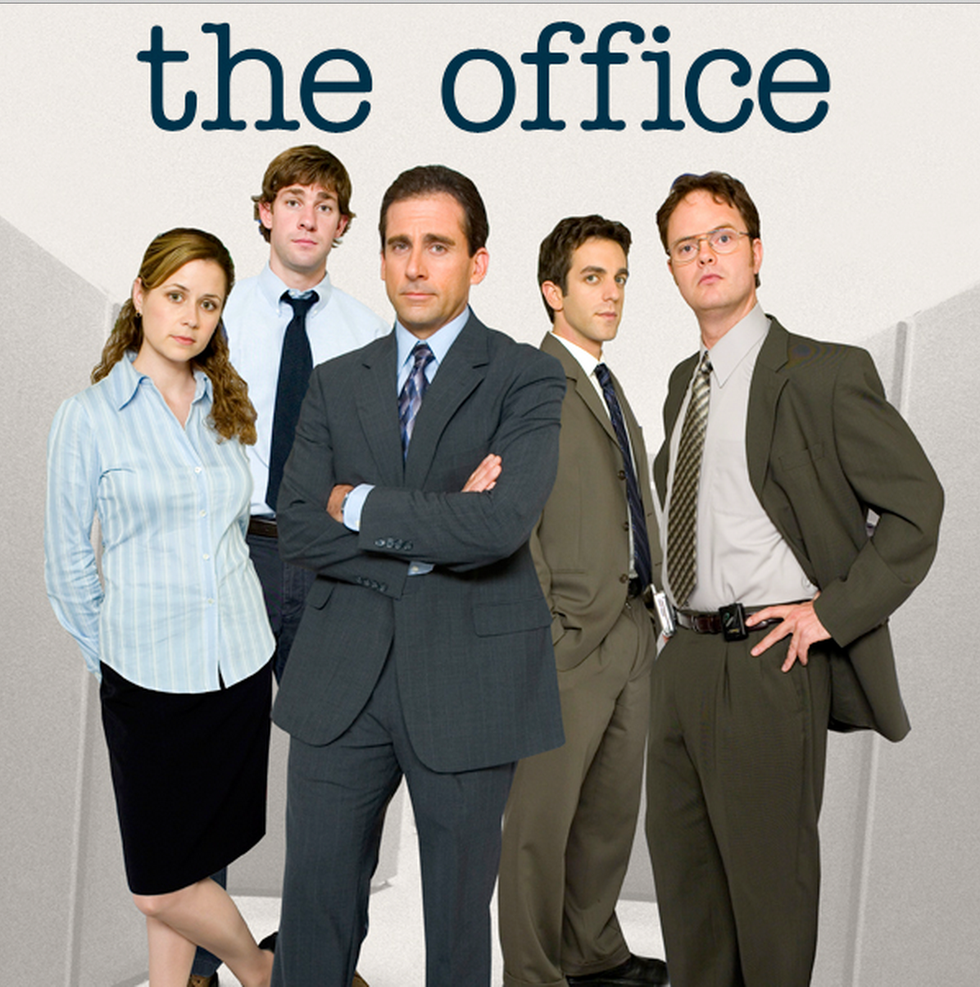
“I’m not superstitious, but I am a little stitious.” – Michael Scott
That may be one of my favorite lines from one of my favorite TV shows. Even after watching hours upon days of TV since "The Office" ended, I still think Michael Scott is one of the best TV characters I have ever seen. So as a big fan of "The Office," when I was in Northern Pennsylvania on a college road trip, I went to visit Scranton, the city that the show is set in.
I wanted to know if real life Scranton was like the Scranton I pictured from the show. I wanted to find the iconic building shown in the opening credits, the Penn Paper Company building.
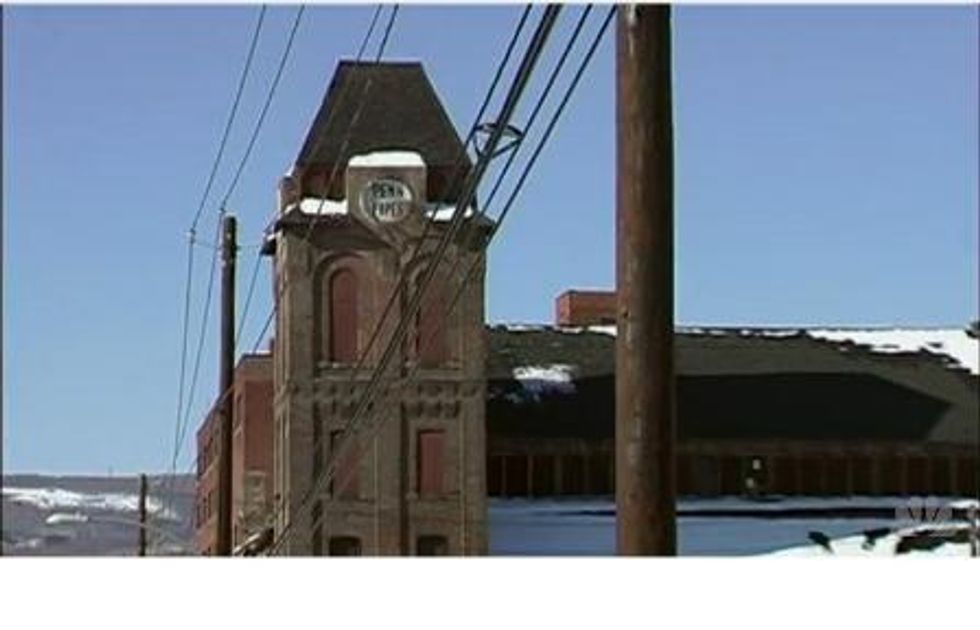 I was shocked to find what isn’t shown in the picture. Right next to the tower is a shelter and kitchen that provides for the hundreds of socioeconomically disadvantaged of Scranton. I learned very quickly that the entire area that "The Office" was set around is a poverty-stricken community, not the suburban Pennsylvania town I remembered from the show. In fact, my mom was so scared by the number of people roaming the streets that she lovingly referred to as “deadbeats,” that she insisted that we leave.
As it turns out, Scranton is a community affected by poverty in a way "The Office" never really showed. In 2012, all city employees, from the mayor to the firemen, had their salaries reduced to $7.50 (minimum wage) in a desperate attempt to prevent the city from going bankrupt. During that time, the US Census Bureau reported that one out of every three families in Scranton lived below the poverty line.
The show helped to bring tourism to Scranton, and helped local businesses like Cooper’s Seafood and Poor Richard’s Pub that were featured in the show. However, despite visits by members of the cast and superfans and economic growth in the nation as a whole, 18 percent of families in Scranton were still living below the poverty line in 2013.
I love "The Office"—I almost cried during the finale—but is it a problem that the show represents the residents of Scranton in a way that ignores the reality of the community? Certainly one could say that this is another example of media and entertainment ignoring marginalized people in society. I think a critic would be justified in saying that shows like this are making the poor invisible for the sake of viewership demographics. I think it is also fair to say that invisibilization of the poor in the media is a problem because the media effects societal attitudes and behavior towards different groups of people.
But despite this, I don't think "The Office" has done a terrible disservice to everyday Americans and the show should get the benefit of the doubt. Even though "The Office" may not have highlighted the struggles a community with many people living below the poverty line, it gave an original look at the everyday lives of a ho-hum American working community. Even without considering the comedic genius of the writers to create a show that would influence comedy television for years, the show was a unique way of looking at ordinary lives and the extraordinary adventures of everyday life.
"The Office" frequently made comedy and drama out of decisions ordinary Americans make like buying a condo or running up credit card debt. Even though it may have been a shock to see the stark contrast between the actual Scranton and the Scranton I imagined from "The Office," I still think that it is a brilliantly written show that is both hilarious and also a beautiful look at relatable ordinary American lives.
As Pam Beesly said in the finale, “I think an ordinary paper company like Dunder-Mifflin was a great subject for a documentary. There's a lot of beauty in ordinary things. Isn't that kind of the point?”
















