
No matter where you turn, the Iowa Caucuses dominate the headlines this time of year. As the first state in the nation in which Democrats and Republicans determine the candidates their delegates will support at the nominating conventions in July, the media flocks to cover the event.
Yet the manner in which Iowans -- and those in several other states -- will vote varies drastically from those in primary states, and that matters.
In a primary, as in the general presidential election, you are given a ballot either by mail or in a polling place, and you check off the box for the candidate you believe your party should nominate before turning it back in.
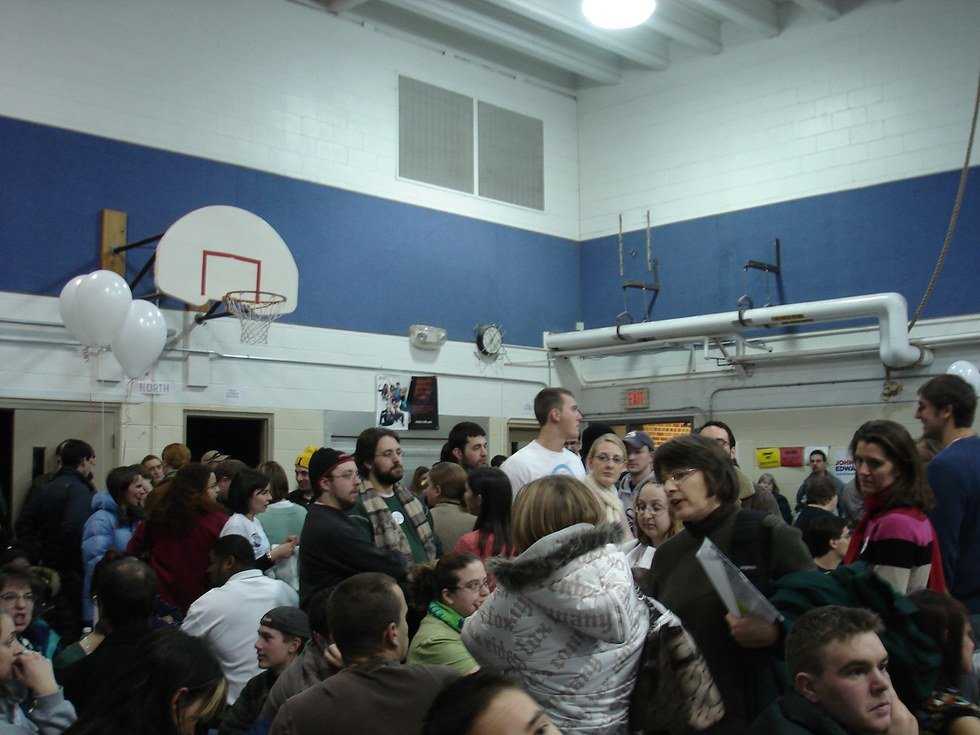
Caucuses work differently, and part of that is because they don't just nominate a candidate; they also involve conducting party business. Essentially, a caucus is like a long business meeting. You not only vote for a candidate (by assigning them delegates), but you also choose delegates for county and state conventions, and talk about issues that should be on the party platform. These are all great things. People should take the chance to make their voices heard on issues they care about. However, it should not be the method for which presidential candidates get nominated by a state.

One of the quirks of a caucus is that you, in almost all cases, must show up in person to vote. You then have to spend several hours there as discussions and multiple votes go on, changing if a candidate doesn't get enough votes for even one delegate and their supporters have to redistribute themselves. The Iowa Caucus starts at 7 P.M. local time, which means that a caucus-goer might not be able to leave until 9 or 10 at night -- and there is no set ending time. A caucus is a heavy time commitment, and if there is one thing Americans never seem to have enough of, it's time.
The largest side effect of this is that it leads to low and unrepresentative voter turn-out.
After all, having the caucus in the evening means that most families are at home or engaged in children's activities. Others need to work nights to support themselves and their families. Then there are those serving in the military or going to college in another state but registered to vote at home. Additionally, some people cannot participate in the caucuses because of health reasons. Still more lack the ability to get from where they live to their county's caucus site. Where all these people would be enfranchised in a primary state, where absentee ballots are available, they have traditionally been disenfranchised in most caucus states. Only this year are limited tele-caucusing and satellite caucusing attempting to fill in the gap in Iowa for the Democratic Party. Even then, considering time differences and the nature of the jobs that take people overseas, tele-caucusing may not be very effective. Iowa Republicans have done better, opening an online ballot for military members (although not, it seems, for others who cannot be in the state on February 1st).
Just how low is Iowa's turn out, comparatively? In 2008, 347,000 people caucused in Iowa compared to over 526,000 voters in New Hampshire, the first-in-the-nation primary which followed a few days later. New Hampshire has less than half the population of Iowa.
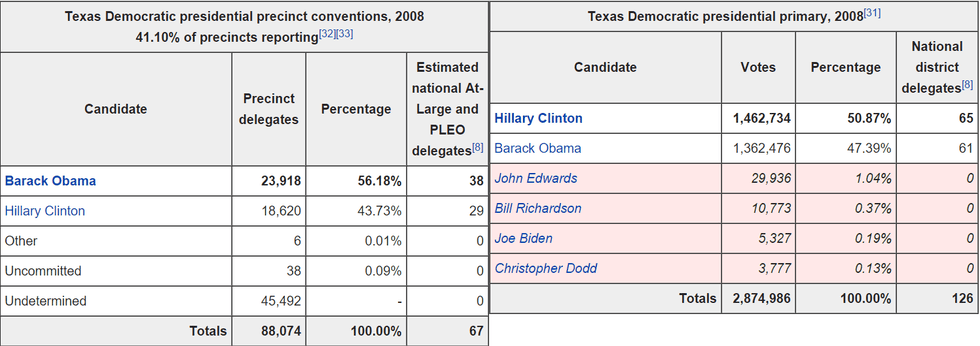
Not only is voter turn-out low, but who turns out to caucuses is different as well, changing the outcome of who wins. For example, some states have, in the same year, done both a caucus and a primary. This was the case in 2008 Texas, where Obama won the caucus and lost the primary, but received more delegates than Clinton, despite more people voting for her overall. The caucus system rewards die-hard party members and activists who would turn out to vote no matter what the system.
Approximately 20 percent of eligible caucus-goers pick the Iowan winner. Although that is a small fraction of the entire country (and a hugely unrepresentative fraction, with Iowa being far whiter, more rural and better off economically than the country as a whole), those 20 percent have a huge impact on the presidential race. Candidates who do well in the Iowa caucuses see national attention directed to their campaigns and a bump in the polls. Donors look at the results to see if they will continue or begin supporting a candidate. If a candidate fails to do well in Iowa, they often drop out of the race entirely, narrowing the field for those who vote later. Voters might even change support based on whether a candidate is 'electable' or not, based on this one race. (Some of these traits hold true for New Hampshire as well, however which states should go first is not a topic I will address here.)
Caucuses are in some ways a fantastic thing. People speak eloquently as to why their candidate deserves support and gather together to discuss issues which have meaning in their lives. It keeps the parties connected at the local level and gives individuals a chance to have a say in who will represent them and what the party will stand for. Supports would call it grassroots democracy at its finest, and those conversations should happen. Yet the the ability to show up to them should not influence a person's ability to vote for who their state's delegates will support at the party nominating conventions. Even if one wanted to argue that this encourages educated voting, plenty of people are capable of educating themselves before casting a ballot. Just because they have the demands of their lives and livelihoods, does not mean they do not support their parties. It does not mean that they do not do whatever they can to make sure others who can do vote. Primary voters do these things all the time, even if they don't gather as a community to vote.
In a country which prides itself in being a place of participatory democracy, where there has been such a struggle to make sure every citizen has the right to vote, shouldn't we have a system that encourages the common person to engage?
For more details on how the Iowa caucus will work, check out this article.