


When people who appreciate literature find out I'm a writer, one of the questions I am most frequently asked (after the obligatory, "Oh, what genre?") is, "What book made you want to be a writer?" I rattle off the same answer every time: e.e. cummings' collected poems, no, the one edited by Richard S. Kennedy, it has a green cover and there's a little bird on the front.
The question I am not frequently asked but find myself asking others is, "What book completely and irreparably broke your understanding of the world and screwed you up so badly you were forced to reconsider everything you'd ever known?"
Some people laugh and think I'm exaggerating, and some people just look confused. Over time, I've gotten a handful of serious responses (Plath's "The Bell Jar" and Palahniuk's "Invisible Monsters," among others). Most of the time, while I really do want to hear their answers, I ask people this question because I want to explain my answer.
In March of tenth grade, I borrowed a book I found on my literature teacher's classroom shelf. Having experienced my come-to-Jesus moment with e.e. cummings the year prior, I was well-versed in writing, and knew this particular novel had a reputation for being more poetry than prose, a strange hybrid I was definitely interested in exploring. However, this particular novel also had another reputation — one for being among the most infamous books of the 20th century.
Obviously, the infamy didn't scare me off, because I finished "Lolita" in two days. That is to say, I finished reading "Lolita" in two days; I didn't finish thinking about it for much, much longer.
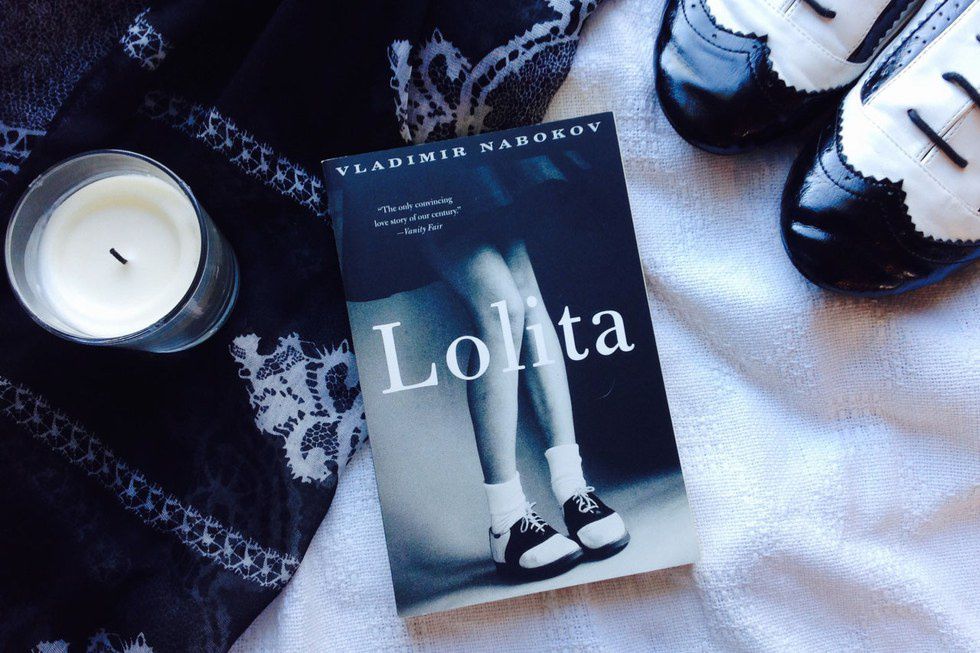
Reading "Lolita," Vladimir Nabokov's confessional memoir of a pedophile, was a major turning point for sophomore me. The second half of the school year was already promising to be particularly difficult: by March, I had just been diagnosed with depression, my year-long relationship with my boyfriend was ending, and I was borderline misanthropic towards the world at large. I didn't care about other people or myself, and I surely didn't offer either any kind of forgiveness, even for the little things. If someone accidentally bumped into me in the hallway, I would stew quietly until school let out and bad-mouth them on the drive home to my mom. If I fell asleep on a school night without finishing my history homework, words like "useless" and "failure" would run on loop in my head for the entire day.
Literature and TV were my only distractions during this period, so when I wasn't reading, I was probably on Netflix. Because of this, I ended up keeping Ms. K's copy of "Lolita" for much longer than she anticipated, reading it through twice before summer. The first time, I was so full of awe that I didn't retain much of the actual context for the words over which I swooned near-constantly. I remember texting Ms. K excerpts I was reading with just the comment, "Wow." The second time I read "Lolita," I did so deliberately, still with reverence towards the language but also with an eye on bigger-picture facets of the text. I was looking for characterization, motifs, foreshadowing, symbolism—basically everything I would note if I was in charge of writing the book's SparkNotes page.
Something I realized as I was reading through this epic tale of scandal and intrigue for the second time was that I was sympathizing pretty deeply with the character of Humbert Humbert, Nabokov's first-person narrator and eventually convicted pedophile. The rational side of me knew that this was because of the flowery prose romanticizing Humbert's story, but that didn't matter. What did matter was that I could find within myself empathy for this so-called monster, this pedophile, when I couldn't muster any for myself or the people around me.
"Lolita" forced me to do a whole lot of soul-searching. Junior year, I bought my own copy of the book and started taking physical notes in the margins and on the back cover. A year after I first cracked open its spine, I decided to write my senior thesis on "Lolita" and spent the next twelve months buried in research, desperately trying to explain why reading it had been such a defining moment in my life.
Now, three years after I first stumbled upon this work of art, I'm still too judgmental of people. That's probably never going to change. But ever since I found myself feeling sorry for a man so opposite of what society tells us is appropriate, I've let myself and other people off the hook much more easily than I did before. If I can accept a fatal flaw so gargantuan, so unforgivable, in a fictional character based only on his own word, surely, then, I can accept others' whom I encounter every day. Surely, then, I can accept my own.
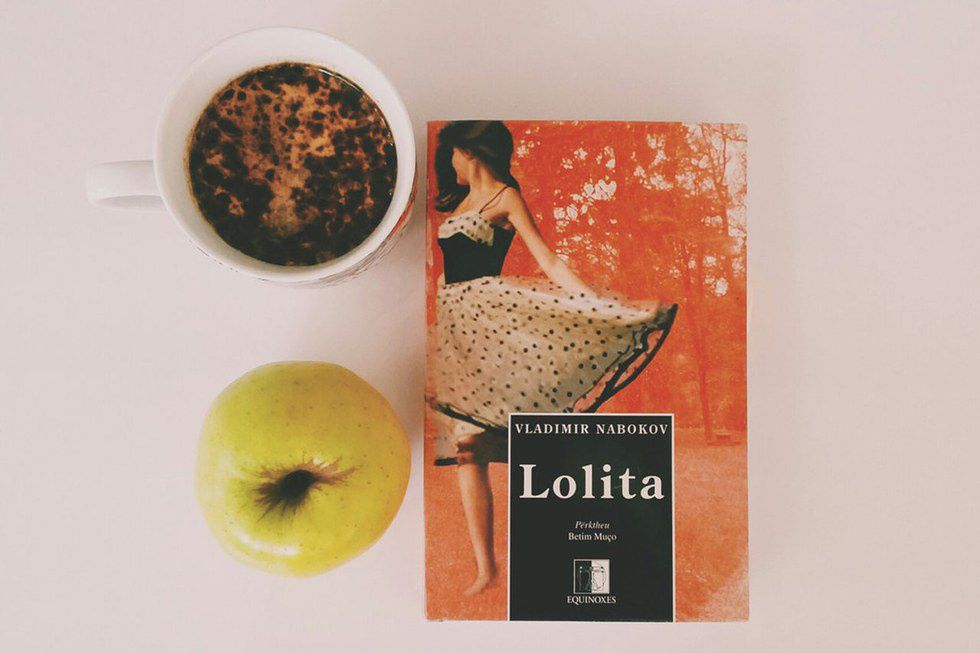
It's hard to explain the importance of literature like this to people who look confused when I ask what book broke their understanding of the world. They look at "Lolita" and see only a monster — not the lesson that can be learned from that monster.
Long live books that make readers question everything they were taught about life, love, and morality. Long live fatal flaws. But most of all, long live "Lolita," its deceptively dark exterior, and all the light it contains for those willing to look.

















