There’s more to contraception than just condoms
Condoms are great! Statistically 85 percent effective!Yet, there's an entire alphabet centered on contraception options from Plan B to IUD.Let's clear up some confusion on the use and cost of options outside of condoms that prevent pregnancies.
A familiar contraceptive is a male condom:
These little rubber dudes can be 98 percent when used as per their given instructions. However, not enough folks pinch the tip while rolling the condom onto the penis, dispose of the condom by rolling it down and away from the body, tie the condom off before disposal, wash their hands after coming in contact with the condom, or forget that condoms shouldn’t be flushed, so this drops the amount of folks using condoms properly.
Male condoms prevent STD transmission and should be used by any couple or group which includes a male. Condoms vary in cost. Target usually has a good deal on a 40 pack of Lifestyles for like $9-15. However, Trojans can be as much as $20 for a 20 pack. There are lots of ways to obtain free condoms or cheap condoms. Planned Parenthood usually has free condoms available at their offices and make donations universities and organizations that want to stock up and pass out condoms on their behalf. One Condom has a cool gimmick: you do stuff and make commercials for them basically, and advertise their product to your friends and they send you free condoms in return. Online condom depots will ship you a free sample pack of condoms once a month is you pay shipping. Never forget to visit the local clinics and shovel the bowl of free condoms into your bag or ask for a box.
Plan B is a mega-dose of birth control pill hormones which neutralizes fertilization by tricking the body into thinking that it is already pregnant. It’s 99% effective. Factors that put you into the 1% of individuals that use Plan B and still incur a pregnancy waiting too late to use PB, obtaining PB illegally, and not taking PB correctly. Don't be ashamed to use Plan B in an emergency but don't make Plan B your go-to contraceptive. It really shouldn't be taken frequently. It's about $50 for a pill so make sure to have a little cash set aside for emergencies.
female condoms are pretty cool. They go inside the vagina and have a little ring at the back that can add a little kindling to the flame. They are to be inserted about 10-30mins prior to intercourse so that the condom can conform to the vagina and stay in place. Planned Parenthood has these guys for purchase and for free. Not too many gas stations carry this product because it is a little more expensive to make and less popularly used. A box of them is about $15-35 online.
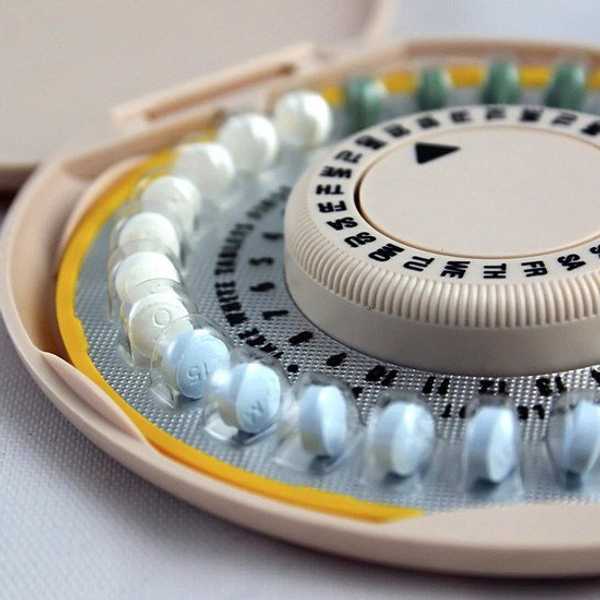
The birth control pill has become popular for the control of acne, for its ability to make periods lighter and shorter, and for its ease of use. Birth control pills must be taken daily and that can be difficult for some women.Most of the ladies I know just set an alarm on their phone that goes off every day and reminds them to take their BC. 97%-99% effective BC is free with most insurance but will only cost you about the same amount as a box of contacts if you don't have insurance. So it's $30-60. In some states it can be as much as $135 if you don't have insurance and birth control pills cannot protect you from contracting STDs.
The patch is just like the pill in its mechanism of preventing pregnancy. You peel one side and stick it onto your skin near your ovaries and it secretes hormones into your skin and ultimately into the blood stream.If you ever have any adverse effects from your birth control the patch is great because it can just be removed and discarded at the first sign of discomfort. The patch is about 99% effective and can cost about $50-$150 with and without insurance. It's not covered by some insurance companies so make sure to discuss this thoroughly with your doctor to ensure you choose an affordable contraceptive option for yourself.
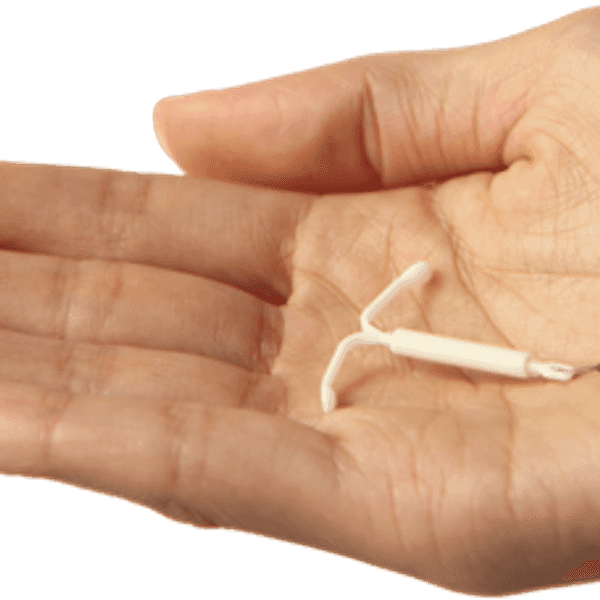
Intrauterine Devices or IIDs are pretty cool and popular. However the risk of ectopic pregnancies is a little higher than I'd like. They are considered 97-99% effective. Word on the street is that doctors and nurses can be a little pushy about this contraceptive, selling it to women all over the US. According to a few nurse practioners there is a little monetary incentive driving this IUD craze. IUDs are safe.But the implanting procedure is expensive and the IUD must be placed and removed by a medical professional which makes it a little restricting for younger women. the IUD was made to be used by women who had already had children because out of all of the contraceptive IUDs put you at risk for complications with conceiving later in life. They've gotten a lot cheaper recently. They range in price from $60-150 depending on the material - metal, plastic, some copy written polymer. The implanting with insurance may run you just the cost of your typical doctors visit or be about $1500 without insurance on the high end.
For more information on contraceptive options head over to Planned Parenthood's interactive website. I recommend that both men and women get educated on contraceptive options because it takes two to do the naked tango and bring about a child but it takes village to raise one. If you're not ready to raise a child then get educated on the options to prevent pregnancy and talk to your doctor and your partner.