Take a look out of your picturesque panorama window as the golden fields of wheat and cerulean rivers rush by. A trip on a train through the American backwoods or down the coast can provide some of the best views known to man. Yet, the low speed of our country’s trains are the main cause behind low ridership and the dependence on aviation.
Previously, in Corporate Greed: Airlines, the point of consistently rising costs amongst airline companies was attacked. The absolute pathetic class and greediness of these corporations was brought into the spotlight. Now we will examine the present and future of American Rail and why it will become the go to for travel.
In the era of high-speed rail where long-distance trains are expected to travel over 200 mph, the American infrastructure holds it back. In Europe, the French Train à Grande Vitesse has been traveling over 200 mph since 1980. In Japan, the MagLev averages 261 mph and even set a land-record 373 mph in April.
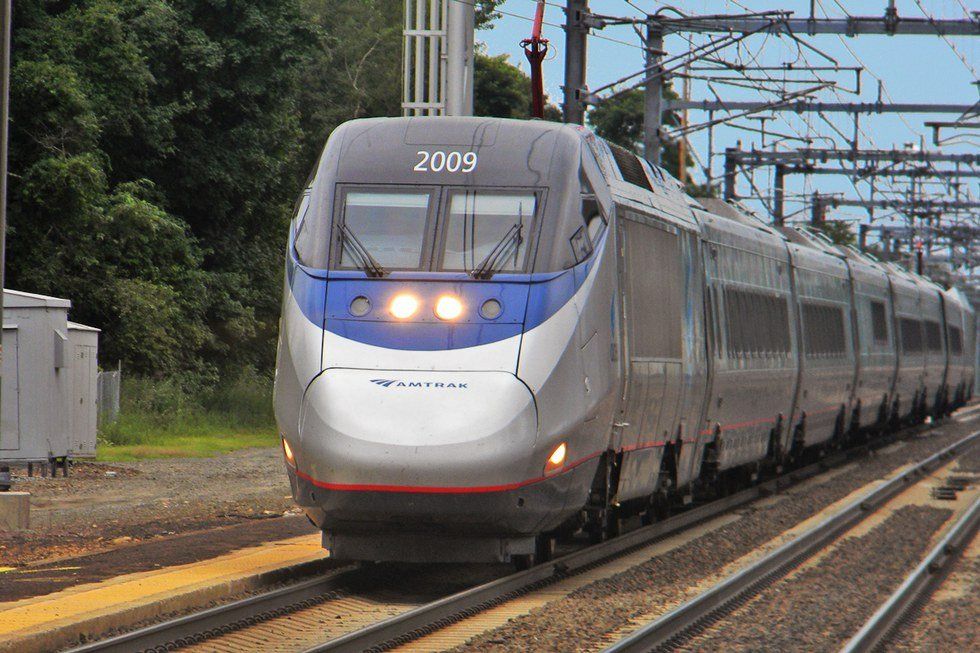
In the United States, tracks laid during the Civil War era have created problems for Amtrak’s trains. The Acela Express consist, is rated to travel up to 150 mph, but is limited to 125 mph or less for most of its journey.
The Acela, which travels Amtrak’s Northeast Corridor from Boston through New York to Washington D.C. rivals that of the country’s air companies; this is while traveling at less than its maximum speed.
Let’s take a look at which option is truly better between New York and Boston based on the numbers:
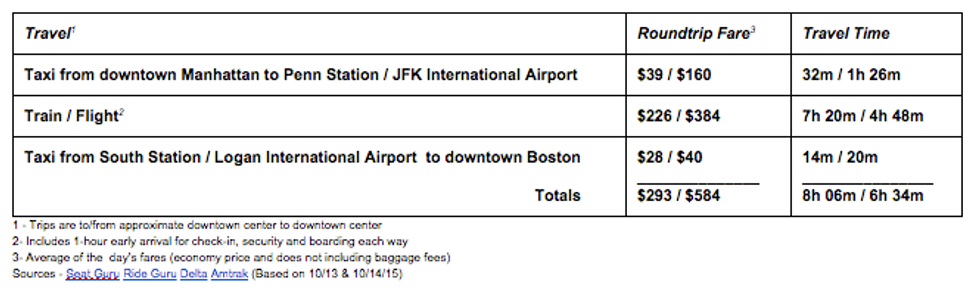
After doing the research, it’s clear despite the longer travel time, the Acela is the smarter option. Also, after Amtrak completes a dedicated track, the train will be able to travel at 150 mph for most of the trip and the shortened time will come close to matching airlines.
Despite the benefits of spending less money and being able to travel from downtown to downtown with ease, there are a few more positives the numbers don’t show. According to Amtrak’s official website, each passenger is allowed to carry on two bags as well as check two bags for free. Airlines permit one carry on bag and the first checked bag is an extra $25.
Meanwhile, the amount of space on an aircraft is almost embarrassing compared to the Acela. A minimum of economy on a jet is business class on the train. According to Seatguru, the regional jet used by Delta has legroom of 31 inches and a seat width of just over 17 inches. These figures are 11 inches and six inches less than the Acela, respectively.
Finally and most importantly, the Acela is environmentally friendly. Most airplanes use several hundred gallons of fuel just to get off the ground, whereas, the train runs on full electricity. In fact, it is 11 percent more efficient than flying. You can even work on your laptop or tablet as soon as you sit down and use one of the conference tables in the train.

The age of dependance on the airplane is creeping behind us. Slowly but surely, the infrastructure will be replaced and the United States will come to realize the importance of trains just like Europe, China and Japan have before them. Unfortunately, this is not happening as fast as it should be; however, California is now building its own high-speed rail between Los Angeles and San Francisco. This train is expected to exceed 200 mph and will travel between the cities in under three hours. See more on California’s High Speed website and tweet your support using #iwillride.