
A once-emboldened generation has again grown weary of Washington and continues to wade in justifiable apathy regarding the politicians who pay closer attention to their donors, supporters and reelection campaigns than the plight of "average" Americans. The era of "Hope and Change" has come to an end and those who strove to see it come to fruition have been left to feel deluded, deceived and disenfranchised.
Understandably so.
Eight years ago, we were told of an America that would see an end to Guantanamo Bay, an end to corporate bailouts, and the most transparent administration of all time. What we ended up with was an America with Gitmo still in full operation, an expansion of taxpayer-funded corporate subsidies, and the most invasive and deceptive government in recent American history. One in which American citizens can be lawfully detained for any amount of time without charge; one that surveils, collects and stores every instance of electronic activity wherever possible - without suspicion of any crime having been committed; and one that infamously claimed "If you like your health insurance plan, you can keep your health insurance plan."
Sound familiar?
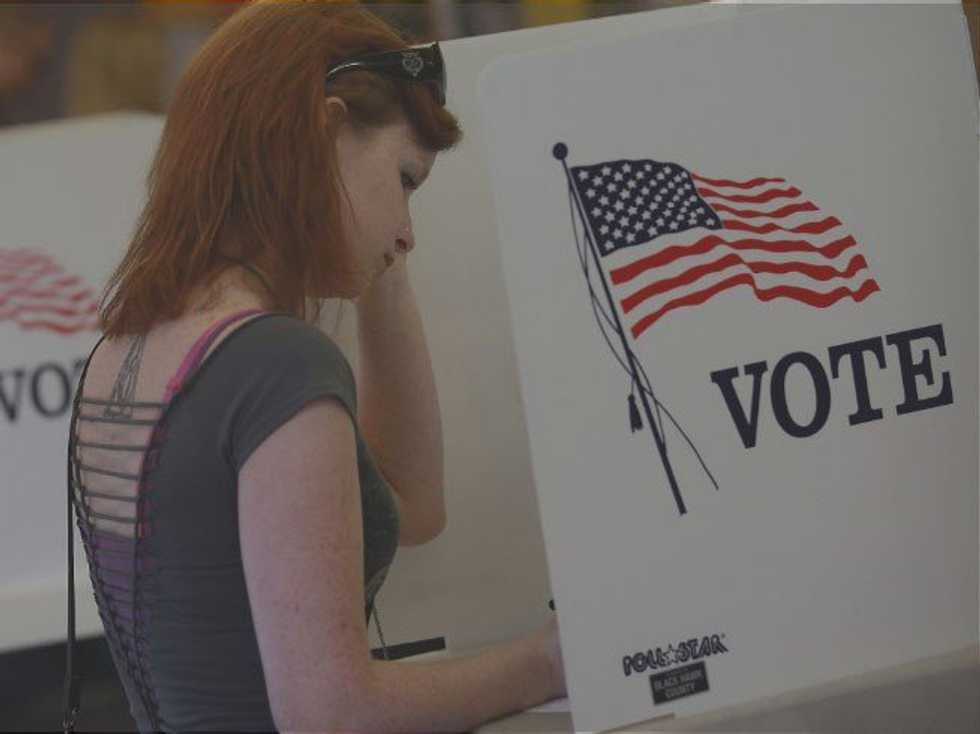
Continuous let-downs from Washington have ravaged young voters' morale and enthusiasm for participating in the democratic process. According to a Reason-Rupe national poll of 2,000 Americans between the ages of 18-29, only 25 percent believe government agencies could be trusted to "do the right thing." With around half of eligible millennials voting in the 2012 election, the 2016 election looks to be impacted immensely by young voters. But with so few trusting of the government, who will they vote for?
The run-of-the-mill choices are obvious: Another Bush or another Clinton. Have young people become as disenchanted as generations before them enough to rid America of an oligarchic dynasty, or will name recognition deliver another member of these familial regimes to victory in 2016? Perhaps an outlier - one that strays from the norm and either stirs up controversy or finds common ground within the hearts and minds of young people will achieve presidential status next fall. For millennials, one candidate stands out among the rest: Bernie Sanders.
With an approval rating of 75 percent as Senator in his adopted home state of Vermont, self-described "democratic socialist" Sanders has shown that his policies resonate deeply within the young demographic. Whether it be abolishing student loan debt, stronger civil rights/LGBT protections, protecting the environment, or focusing on income inequality; Sanders shows his views are more aligned with young peoples' than any other candidate.
Is this enough to coerce young voters into heading to the polls next November? Perhaps. Hopefully. What we do know is that Americans; young Americans in particular, are feeling betrayed and disillusioned by the political process and have given up trusting the government almost altogether. Will we see an uprising of excitement and energy for the election season, or will exhaustion and distraction be enough to keep young people at home Nov. 8th? Only time will tell. But with fifty-three and a half million millennials in the US, they've got the numbers to make all the difference in the world.
















