
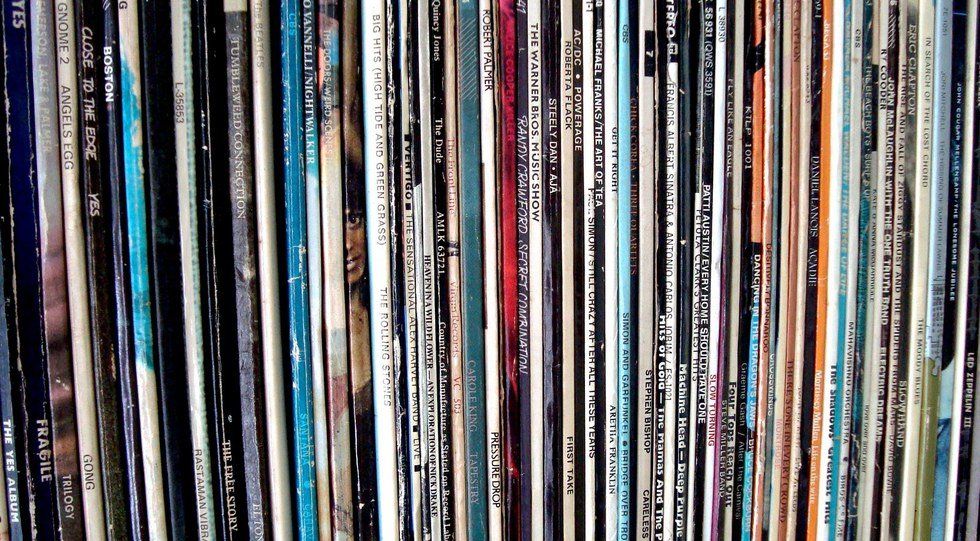
Since the beginnings of recorded music in the early 20th century, the format of the album has been an ever-changing concept that seemingly adapts to the latest technologies. We’ve seen shifts from vinyl records to cassettes to CDs to mP3s sold on sites such as iTunes, which were thought to be a potential final form for new releases. That has hardly been the case, however, as the past few years have continued to show new developments (both physical and digital) in the ways in which artists choose to release their new projects.
Some of the most successful “albums” of 2016 were unconventional releases, such as Chance the Rapper’s Grammy Award-winning mixtape Coloring Book and Kanye West’s The Life of Pablo, which he revised and re-released multiple times and went on to describe on Twitter as “a living, breathing, changing creative expression.” While these are two of the most prominent examples in recent popular music, mixtapes and re-releases are only the tip of the iceberg. Streaming exclusives, playlists, EPs, and other alternatives are not only becoming more common, they are even beginning to be acknowledged on the charts and considered at award ceremonies. It has become increasingly common for artists to make a deal and exclusively stream a new record on a specific site, such as Apple Music or Spotify, much like Chance the Rapper and Frank Ocean have done with their most recent releases.
Beyond Chance and Coloring Book's phenomenal success as the first mixtape to land on the charts and at the Grammy Awards, Drake has kicked off 2017 with another new concept, a "playlist" entitled More Life. This 22-song project was, in turn, the first of its kind to reach the Billboard charts and potentially receive Grammy consideration, although we won't definitively know about that nomination until early next year.
It may seem like all the creativity surrounding album releases has been the product by hip-hop and rap artists, but that is far from the case. Artists across numerous genres have pushed the typical boundaries over the years. Green Day, for example released a trilogy of high energy pop-punk albums over the span of four months in 2012, marking their comeback following a few years of inactivity. Other artists, like Long Island rock band Brand New, drop singles and EPs during their time off in order to keep fans eager for an impending full length release.
The overarching question is this: is there actually a final form for music releases? Will the concept of the single studio album (physical, digital, or both) fade away over time as newer innovations gain popularity? Only time will tell, but the speculation sure is interesting.
















