Christmas time remains an iconic chance for joy and happiness, yet this year is exceptionally speckled with pain and tragedy found in mass shootings and bombings around the world. This pain has led to much fear around religion and social thought. While healthy concern is good, blinding fear is not. It is imperative to critically analyze the underlying principles of such tragic actions by a few as well as to place our own beliefs and thought under the same level of criticism. A review of these reactionary ideas are the basis for beautiful hope and redemption in the midst of pain and suffering.
The undergirding issue of recent tragic events can be boiled down to an antithesis to good. This opposite is commonly neglected or forgotten, but it goes by a name that is recognized by Islam, Christianity, and secular identifiers alike. It seems natural that if there is good there must also be bad. A better understanding of this bad will allow the fear that comes from it to be properly channeled. In Christianity, it is known as Satan: a fallen angel of the highest order whose pride caused him to rebel against the Abrahamic God. He is the “prince of the air” (Ephesians 2:2). What the Bible means by this is that he is an actor of mischief, temptation, and caused the original fall of man. In Islam, he is referred to as Shaytan. Shaytan is similarly a tempter who rebelled against Allah by refusing to bow down to Adam who is Allah’s creation. In secular thought, the nearest conclusion is the greed or evil that man is capable of himself. These comparisons command that the proper attribution be given to the missing of the mark by the causers of tragedy and what might be called evil, namely ISIS.
It is also true that a single individual or relatively small group of individuals do not represent an entire religion or school of thought. If Isis is taken to represent the majority of Islam, then Stalin would have to represent all of atheism and Hitler would have to represent all of Christianity. This argument lacks any solid foundation for the case considering how neither of the latter two would hold any weight in a trial like this.
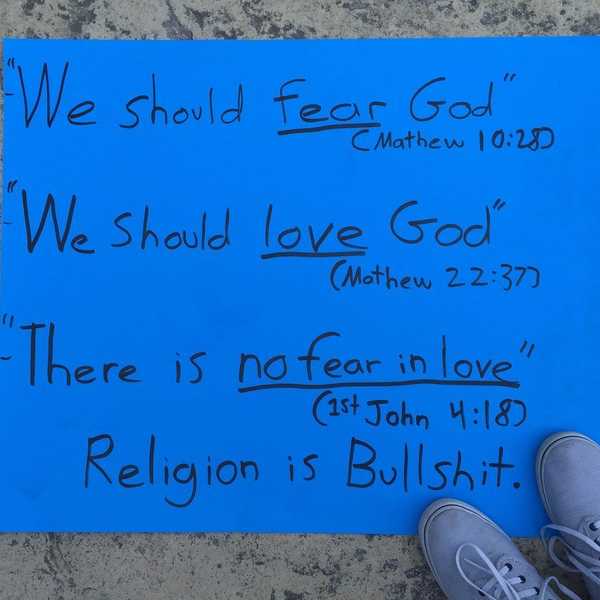
Blindness of the fear causes a prideful pointing of the finger. This focus on fear is actually the opposite of what we agree is a healthy concern in major political and religious thought. The Quran 3247 says that “all fear is to be cast out” which is similarly stated in the Bible in 1 John 4:18. This isn’t something merely tied into religious thought; removing the paralysis of fear extends into the brilliance of mankind for ages. So why is it that the latest tragedies of the world are wreaking such fear? Healthy hesitance begins to be replaced with cowardly ignorance. Safety is valued higher than the correct treatment of newcomers. This shouldn’t be the case; if all of us are immigrants who braved a dangerous life at some point, then we should be able to do so now. It looks starkly different now, but Benjamin Franklin’s inference is still relevant to how why we must defend the right of others in the face of adversity, that if we give up freedom for [fear driven] safety then we truly deserve neither. My prayer is that this world becomes brave again as it once was: pioneering itself on standing for freedom defined by its constituents.
Beautiful hope exists in the midst of the chaos. It is found in the recognition of the good that the bad juxtaposes. Equal recognition can be found throughout the above cases: Allah in Islam, God in Christianity, and human redemption in secular thought all represent this good. Proper identification of what is good and bad is the beginning of improving our understanding of the world around us. Hope lies in the idea that proper understanding leads to action of forgiveness, love, and peace (all of which are included in the good of this world).